The future growth and sustainability of the New Zealand dairy industry will be underpinned by innovation and investment in research and development (R&D).
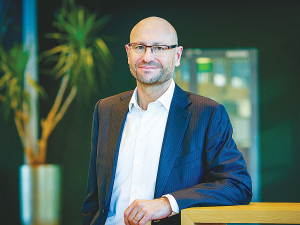
That was the message from LIC board chair and Nelson dairy farmer Murray King at the farmer-owned cooperative’s annual meeting in Hamilton yesterday.
LIC shareholders, directors, shareholder councillors and staff heard how LIC has an ambitious R&D investment programme that will drive its sustainable growth and profitability into the future and deliver more value to its farmer shareholders.
King said LIC’s investment in R&D and innovation is over 5% of its revenue ($13.2 million in 17-18 year), well above the New Zealand primary sector average of around 1%.
“LIC has always been a heavy investor in R&D, on behalf of our shareholders and the industry, and for some time now we have been talking about our work to transform the business and deliver a more sustainable and agile co-operative.
“We are now more match-fit than ever and better positioned to deliver great outcomes for our farmers.
“We are taking what we learnt from our transformation programme, the methods we have adopted and efficiencies we have gained to unlock new opportunities and deliver even more benefits for our shareholders. A sustainable and prolonged industry-leading focus on innovation and R&D is critical to that.”
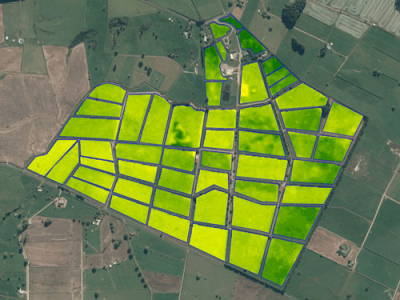
Over the last year LIC has introduced SPACE, a pasture management system which utilises satellite technology to estimate a farm’s pasture cover.
This technology can deliver significant benefit to farmers and the uptake has been excellent, says King.
“Our work to refine this service continues and soon we will be implementing updates to further improve its accuracy by removing distortions caused by shadow or cloud. We will also be extending the service to cover more areas in the country, so more farmers can access the benefits.”
King also highlighted LIC’s ongoing focus on delivering genetic gain to the New Zealand dairy herd and how its cutting-edge genomics research will help lift the bar even higher, and at a faster rate.
“Over the last 15 years we have invested more than $40 million in genomics research and our knowledge and understanding has come a long way in that time.
“Genomic selection is now a key part of our breeding scheme in conjunction with the more traditional methods of sire proving. As technology evolves and our genomic dataset grows, so too does our selection intensity and accuracy, and this ultimately allows farmers to access more of the elite new genetics earlier.
“We recently received a significant funding boost from the Government’s Endeavour Fund for a major project. This is an exciting project which applies the latest genomic technologies to breed healthier, more efficient dairy cattle and could deliver significant productivity and environmental gains for the New Zealand dairy industry.”