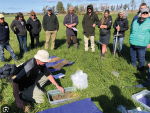
Catch the Rain: B+LNZ Trials Boost Soil Infiltration
Beef + Lamb NZ funded research has shown that some simple changes to pasture management could help farmers make better use of rainfall and build resilience before dry conditions hit.




 increase font size
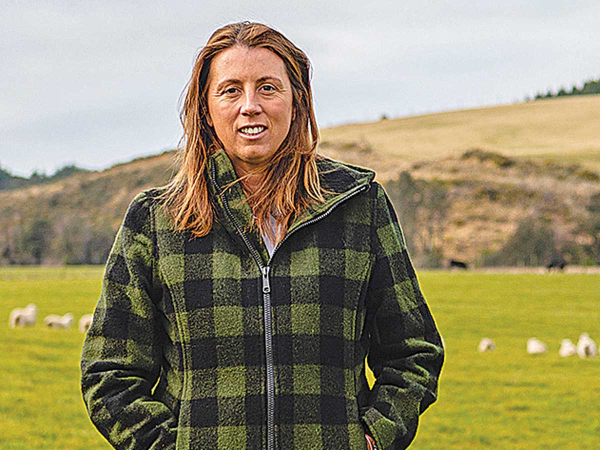 Beef + Lamb New Zealand chair Kate Acland.
Beef and Lamb New Zealand (B+LNZ) chair Kate Acland says it’s not in red meat farmers’ interests to leave the Paris Agreement on climate change.
Speaking at B+LNZ's annual meeting in Rotorua today, Acland noted that some farmers have recently been calling for New Zealand to exit the Paris Agreement.
“We absolutely share concerns about New Zealand’s international climate change commitments, but we believe it’s not in our interests to undermine the global system (that we have so benefited from, from a trading perspective) by leaving Paris.
“Rather, our view is that it’s vital we reduce our domestic methane targets based on ‘no additional warming’ and then align that with our international commitments so that farmers have certainty.”
The Paris Agreement is a legally binding international treaty on climate change. It was adopted by 196 Parties at the UN Climate Change Conference (COP21) in Paris, France, on 12 December 2015 and entered into force on 4 November 2016.
Its overarching goal is to hold “the increase in the global average temperature to well below 2°C above pre-industrial levels” and pursue efforts “to limit the temperature increase to 1.5°C above pre-industrial levels.”
B+LNZ is working with farmers to manage their emissions.
Acland notes that this year it will also see the first beef methane genetics project underway.
She says in collaboration with researchers and farmers around the world, this will help to ensure our beef farmers can manage their emissions and stay on a level playing field as their competitors.
“Most importantly, this project will investigate feed conversion efficiency, ensuring beef farmers are sustainable and productive by finding the animals that produce more meat from less grass with the added benefit of less methane.
“Our investment in these big research areas will make a measurable difference for farmers into the future.”
But Acland says research, both theirs and others, has the most impact if it is then adopted by farmers. B+LNZ is changing its extension programme by introducing focus groups and hub farms across the country.
Acland says research can’t be left on the shelf.
“Therefore, as part of the strategy, we significantly lifted our investment into our extension programme.
“We now have more boots on the ground around the region and are rolling out two major programmes: focus groups and hub farms.”
Beef + Lamb NZ funded research has shown that some simple changes to pasture management could help farmers make better use of rainfall and build resilience before dry conditions hit.

Ravensdown shareholders have elected Jane Montgomery and Kate Acland to the Ravensdown Board for three-year terms, following a closely contested director election.
Beef + Lamb New Zealand (B+LNZ) says it welcomes the passage of the Natural Environment Bill and Planning Bill, calling the bills a positive step for sheep and beef farmers.
If you're thinking about investing in ways to push feed forward, this is the year to do it.
Farmgate lamb prices are down by 8%, beef cattle by 4.5% and farm expenditure up by 4.2%.


National’s pledge to introduce 19 new national standards shows the party is serious about getting Wellington out of farming, Federated Farmers says.
The National Party’s policies to make it easier to grow fresh vegetables, secure reliable water and energy and simplify farm planning are practical changes that will give growers the confidence to invest, according to Horticulture New Zealand (HortNZ).
Fonterra Co-operative Group chief financial officer Andrew Murray has resigned to take up a role outside the dairy giant.
A major move is about to get underway to improve the quality and viability of dairy beef and cattle in NZ.
Veterinarians say changes to the code of welfare for dairy cattle provides a positive foundation for improved cattle welfare across the country.
Today, 15 October, is the International Day of Rural Women, which recognises rural women’s contribution to farming, communities and the environment.




OPINION: The same mainstream media muppets that brought you Jacindamania in 2017 have been flat out pimping for the Opportunities…
OPINION: Your old mate reckons the atrocious way farmers in the UK are treated by their lords and masters in…




