Why Now Is the Time to Plan Farm Succession, Findex Says
OPINION: Succession and long-term planning are perennial topics because it is perpetually sidelined on busy farms.




 increase font size
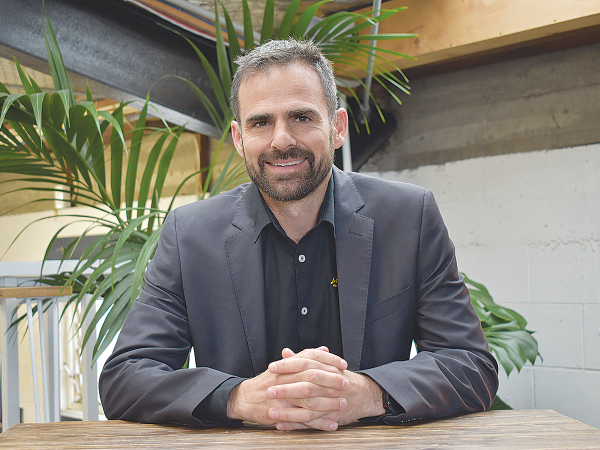 Karl Gradon
Māori-owned milk processor Miraka is looking for a new chief executive following the resignation of Karl Gradon last week.
Gradon, who was appointed chief executive three years ago, is leaving for personal and family reasons.
Miraka chair Bruce Scott attrributed much of Miraka's recent growth and success during the past three years to Gradon's leadership and efforts resetting the business for future success.
"Karl Gradon has successfully navigated Miraka through a significant period of change, leading the reorganisation of the business to set Miraka up for long-term, intergenerational success, as was envisioned by our founding leaders and shareholders.
"There are many successes and wins we attribute to Karl's leadership. This includes building a strong senior leadership team, evolving from single products to optimising customer focus and our portfolio of value-added products."
Gradon says that leading Miraka has been a rewarding experience both professionally and personally.
"I am deeply proud of what we have accomplished together as a whānau and business. I am confident in the company's continued success.
"Our shareholders bestowed a set of values that I personally admire, and I look forward to seeing this values-based approach continue to flourish through the generations as our founders intended."
The Miraka board has begun a search for Gradon's replacement. Miraka chief operating officer, Richard Harding, is now acting as CEO.
OPINION: Succession and long-term planning are perennial topics because it is perpetually sidelined on busy farms.
Farms across the upper North Island are trialling different pasture mixes as part of a research programme that aims to build greater resilience into farming systems.
Election years are always a concerning time for farmers, according to DairyNZ chair Tracy Brown.
Matt Collier, Probiotic Revolution, says calves will drink a lot of milk once-a-day with their probiotic Calf Xtreme.


Minister of Conservation Hon Tama Potaka has appointed Susan O'Regan as Chair of the Queen Elizabeth II National Trust (QEII) for a three-year term.
Red meat farmers are welcoming Labour’s plan to review the Emissions Trading Scheme and not to campaign on pricing agricultural emissions.
Where any worker in the kiwifruit industry is mistreated, we expect the authorities to take action.
Mid Canterbury Federated Farmers arable chair, Bevan Lill, said Beef + Lamb NZ data indicated that for the last six years, the average arable return on investment was about 0.8% while inflation ran about 4% - so the average arable farm was going backwards at about 3% a year.
Seed and grain companies share the concerns of arable farmers about the viability of their sector, says Seed and Grain New Zealand chief executive Dr Sarah Clark.
The New Zealand Institute of Forestry (NZIF) says unnecessary changes to New Zealand’s Emissions Trading Scheme (NZ ETS) will seriously erode investor confidence and result in significant reductions in forest planting rates.


OPINION: The same mainstream media muppets that brought you Jacindamania in 2017 have been flat out pimping for the Opportunities…
OPINION: Your old mate reckons the atrocious way farmers in the UK are treated by their lords and masters in…