NZKGI Responds to Migrant Worker Exploitation Reports
Where any worker in the kiwifruit industry is mistreated, we expect the authorities to take action.




 increase font size
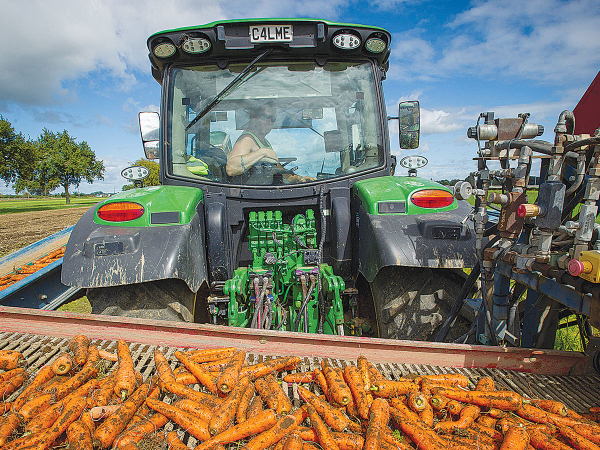 Labour shortage is now a thing of the past for many fruit and veggie growers, says HortNZ chair Barry O’Neil. Photo Credit: HortNZ NZGrower Magazine
The mood in horticulture is cautiously optimistic, according to the chair of Horticulture NZ, Barry O'Neil.
He says the growing season is much better than the previous couple of years and most sectors have produced a harvest - although in many cases, not as great as it was in past years. He says they don't have a shortage of labour as they did in past seasons, but it's more expensive.
O'Neil says it is great to be able to have a harvest and have the market crying out for the products.
"The other positive thing is around the economy and the trade focus, with the government opening markets and taking away trade barriers. Infrastructure is still an issue with improvements needed with roads and ports to enable the sector to operate more efficiently," he says.
In terms of the recovery from Cyclone Gabrielle and other adverse weather conditions, Barry O'Neil says for most growers, things have improved. He says kumara growers in Northland had a good season and while yields are slightly down, kumara are now back in shops and at a reasonable price.
O'Neil says in Hawke's Bay, while apple production is down, the fruit quality is fantastic and trees that initially looked like they may die because of the cyclone have produced fruit.
"Some of the kiwifruit growers in Gisborne didn't fare so well when some of the vines started to collapse because of the cyclone damage. In some orchards up to 30 per cent of vines died or needed to be replaced," he says.
O'Neil says most orchardists will be able to produce a crop of some sort this year and they'll be able to pay the bills associated with producing this year's crop. But the debt from the damage caused by Cyclone Gabrielle will still be with them.
Government Support
Barry O'Neil says the sector is delighted by the fact that it's been properly recognised with the appointment of an Associate Minister of Agriculture with special responsibility for horticulture.
He says this is a great initiative and something they have wanted for some time. O'Neil says while Nicola Grigg is still on maternity leave and won't be back in Parliament until June, she is still doing a lot of work from home and the industry is looking forward to working with her when she resumes full duties.
"I think a key issue is that the previous government had so many changes on the go at once, it was overwhelming. Whereas this government is saying let's take a pause and work out what we need to do, and how can we leverage off existing industry schemes withough having to reinvent the wheel," he says.
O'Neil says it's very encouraging to see the government is warming to the idea of using existing and well-proven such as NZ GAP, rather than trying to put in their own programmes which duplicate what is already being done.
 |
|---|
|
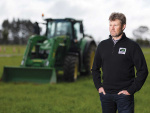
HortNZ chair Barry O'Neil. |
He says while there is a lot more policy work to be done by government, the hort sector is encouraged by the fact that government is prepared to listen.
Levy Vote
For the past month, HortNZ has held a series of meetings around the country in preparation for a grower vote on whether to retain the levy they pay on their produce to fund the body.
Other 'industry good' organisations such as DairyNZ and Beef+Lamb NZ go through the same process.
Barry O'Neil says, from May 14 to June 14, growers can vote on a proposal put forward by HortNZ which has considered the feedback from the earlier meetings.
"The priorities that members have indicated they want us to focus on are: water - allocation and storage; climate - both mitigation and adaptation; and finally a catchall of food security and social licence to grow. Those are the three keys areas," he says.
O'Neil says these will be aligned to the Horticulture Action plans which has a focus on growing sustainably, optimising value for growers, making Māori strong in horticulture and making sure that everything done in the horticulture space is underpinned by good science and knowledge.
He says the proposal being put forward is practical common sense and is aimed at delivering positive outcomes for growers.
Where any worker in the kiwifruit industry is mistreated, we expect the authorities to take action.

Kiwifruit growers are watchful but remain optimistic as concerns around the potential effects of the El Niño weather pattern this season.
James Blair, an agronomist for AS Wilcox and the Pukekohe regional champion, has won the 2026 Young Grower national title.
Claimed to be the first autonomous robot for New Zealand vegetables growers, the first Kilter AX-1 unit has arrived in the country.
After delivering a strong financial year, rural trader PGG Wrightson says the coming months will depend on customer confidence and weather.


National’s pledge to introduce 19 new national standards shows the party is serious about getting Wellington out of farming, Federated Farmers says.
The National Party’s policies to make it easier to grow fresh vegetables, secure reliable water and energy and simplify farm planning are practical changes that will give growers the confidence to invest, according to Horticulture New Zealand (HortNZ).
Fonterra Co-operative Group chief financial officer Andrew Murray has resigned to take up a role outside the dairy giant.
A major move is about to get underway to improve the quality and viability of dairy beef and cattle in NZ.
Veterinarians say changes to the code of welfare for dairy cattle provides a positive foundation for improved cattle welfare across the country.
Today, 15 October, is the International Day of Rural Women, which recognises rural women’s contribution to farming, communities and the environment.



OPINION: The same mainstream media muppets that brought you Jacindamania in 2017 have been flat out pimping for the Opportunities…
OPINION: Your old mate reckons the atrocious way farmers in the UK are treated by their lords and masters in…




