Ospri Urges Farmers To Prepare NAIT Records Before Moving Day
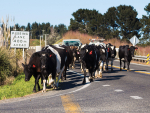
Moving Day (June 1) is just around the corner and farmers who are moving farms with the herd are being urged by Ospri to start preparations now.




 increase font size
 OSPRI chairman Jeff Grant.
Primary industry leaders came together on Tuesday night in Wellington to officially launch the new plan for managing bovine TB in New Zealand.
OSPRI chairman Jeff Grant says "we are embarking on this next stage of eradication thanks to the efforts of farmers, industry and Government organisations that are shareholders and investors in the TBfree programme".
New Zealand has a long history of bovine TB infection in cattle and deer and has actively managed the disease since the 1950s.
After initial successes following the discovery of the link between livestock infection and possums as the carrier host through to the 1970s, there was a decision to reduce funding levels which led to a resurgence of infection in the 1980s and 1990s.
In response to this there were renewed efforts and increased funding for pest control from Government and industry, laying the foundations for today's TBfree programme.
Having a nationally coordinated plan driven by those affected has led to significant TB control progress resulting in a dramatic decline in the number of infected herds from a high of 1700 in 1994, through 695 in 2000, and now 43 at the end of June this year.
The key objectives of the plan which came into effect on July 1 are the biological eradication of TB from New Zealand by 2055, with TB freedom (ie high confidence the disease is gone) in livestock by 2026 and possums by 2040.
OSPRI chief executive Michelle Edge explains that two important changes to the new plan will see the introduction of a more targeted approach to TB testing and pest control.
Given the scope of these changes it is important to understand that the new plan will be phased in according to the design shaped by our field based research, and according to the new approach to livestock testing and wildlife control.
Edge says 'We are currently working with our key stakeholders and industry representatives to finalise the details of how these policies will work in practice and the timings involved.'
Moving Day (June 1) is just around the corner and farmers who are moving farms with the herd are being urged by Ospri to start preparations now.

Ospri is reducing TB testing frequencies and movement control measures as the disease risk subsidies in parts of the country.
New Zealand is closer to eradicating bovine TB than ever before, but possums remain a threat, says Beef + Lamb New Zealand.
From 1 October, new livestock movement restrictions will be introduced in parts of Central Otago dealing with infected possums spreading bovine TB to livestock.
As an independent review of the National Pest Management Plan for TB finds the goal of complete eradication by 2055 is still valide, feedback is being sought on how to finish the job.



Now in its fourth year, the 2026 Fencing Industry Awards, formed part of the proceedings of the FCANZ Conference, held in Nelson during August.
DairyNZ deputy chair Cameron Henderson has been re-appointed unopposed for another term.
OPINION: The stats speak for themselves.
Farms across the upper North Island are trialling different pasture mixes as part of a research programme that aims to build greater resilience into farming systems.
Election years are always a concerning time for farmers, according to DairyNZ chair Tracy Brown.
The Ballance Farm Environment Awards are coming to the West Coast of the South Island.




OPINION: The same mainstream media muppets that brought you Jacindamania in 2017 have been flat out pimping for the Opportunities…
OPINION: Your old mate reckons the atrocious way farmers in the UK are treated by their lords and masters in…