McRae Wins Southern South Island B+LNZ Director Vote
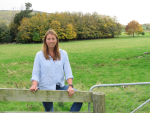
Matt McRae, a farmer from Mokoreta in Southland who runs a sheep, beef and dairy support business alongside a sheep stud, has been elected to the Beef +Lamb NZ Board as a farmer director.




 increase font size
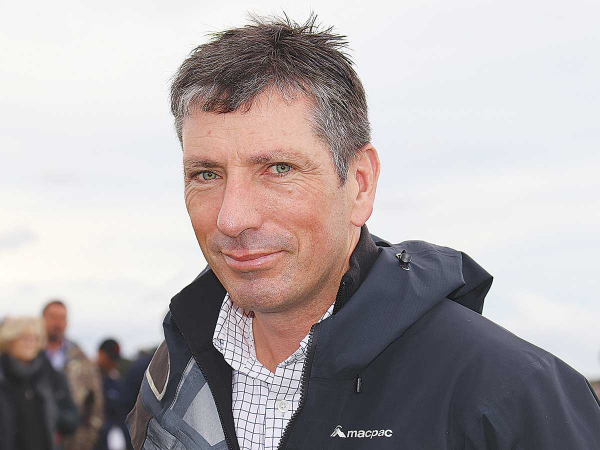 B+LNZ’s Sam McIvor says the deal will allow British consumers access to best in-season meat products all year around.
There has been widespread praise for the UK FTA from all primary sector leaders.
B+LNZ and the MIA say farmers, processors, exporters and our economy will benefit from greater export revenue once the FTA is signed and ratified. They say the red meat sector has not had quota free access to the British market since the UK joined the EU in 1973.
B+LNZ’s Sam McIvor says the AIP builds upon the strong trade links between the United Kingdom and New Zealand.
“This allows British consumers access to best in-season products all year around, particularly during busy periods such as Easter and Christmas, which fall during the UK’s off-season meat production window. We are ideal trade partners with British consumers having high expectations for the quality and ethics behind their food.”
Sirma Karapeeva, MIA chief executive, says the FTA will allow New Zealand companies the opportunity to sell a wider range of high-quality products into the UK market, particularly beef. She says following the UK leaving the EU, NZ’s 1300 tonne beef quota was split between the UK and the EU, leaving New Zealand with only 454 tonnes of beef access into the UK.
“Outside of this quota, NZ beef exports attracted tariffs of up to 70%, meaning virtually no-out-of-quota trade occurred. Improved access will allow companies to deepen and expand relationships, and crucially, compete on a level playing field with our international competitors,” she says.
News of the agreement is positive for horticulture and consumers according to the NZ Horticulture Export Authority CEO, Simon Hegarty.
He says the AIP provides a welcome lift against the current backdrop of significant challenges in exporting perishable products. Hegarty says NZ has very few tariffs remaining on food products so it is appropriate and equitable that our products entering the UK will not be taxed unnecessarily in the future.
“The removal of this distortion will be good for both the NZ export industry and the UK consumers by enabling better access for healthy food products.
“The removal of tariffs on trade with UK will provide an estimated benefit of approximately NZ$5m annually to NZ.”
Hegarty says that while our horticulture trade with the UK is dominated by apples and then onions, a range of lesser-known products – such as apricots and frozen berries – will also stand to benefit from the FTA.
The Executive Director of NZ International Business Forum (NZIBF) welcomed the news saying it will help lift the spirits of exporters. Stephen Jacobi, who’s a former trade negotiator, says it is clearly a substantial and comprehensive deal, with commercially meaningful market access across NZ’s key export sectors, including dairy, meat, horticulture and wine.
“The FTA would also position the UK well for future membership of Comprehensive and Progressive Agreement on Trans Pacific Partnership (CPTPP).
“A strong outcome from the FTA negotiations, which is now within reach, is what is needed for NZ to confirm its wholehearted support for UK accession,” he says.
Matt McRae, a farmer from Mokoreta in Southland who runs a sheep, beef and dairy support business alongside a sheep stud, has been elected to the Beef +Lamb NZ Board as a farmer director.

Ospri is reducing TB testing frequencies and movement control measures as the disease risk subsidies in parts of the country.
The Meat Industry Association of New Zealand (MIA) today announced that Chief Executive Officer Sirma Karapeeva has resigned from the role.
While things are looking positive for the red meat sector in 2026, volatility in global trade remains a concern, says the Meat Industry Association (MIA).
The Meat Industry Association (MIA) is once again looking for game-changing ideas for New Zealand's red meat processing and exporting sector.


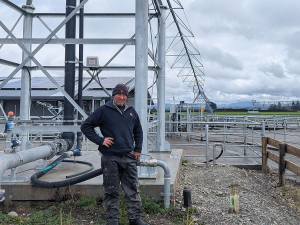
Converting a longstanding cropping farm to dairy was the only way to ensure the land stayed in the family long term, says new dairy farmer Rod May.
As the election heats up, Organics Aotearoa New Zealand (OANZ) has launched its election scorecard designed to help voters wanting to support policies that grow organic and New Zealand's organic sector.
A 'tsunami' of milk from key exporting countries is winding down and this may be good news for New Zealand dairy farmers.
Will the good times last? That's one of the key issues to come out of the latest Federated Farmers confidence survey.
Outgoing Fonterra Co-operative Council chair John Stevenson says that it has been a privilege to represent the co-op's farmer shareholders.
Have a plan in place for your cows and staff.




OPINION: The same mainstream media muppets that brought you Jacindamania in 2017 have been flat out pimping for the Opportunities…
OPINION: Your old mate reckons the atrocious way farmers in the UK are treated by their lords and masters in…




