Mary Bowron Named Best Sheep and Beef Vet of the Year
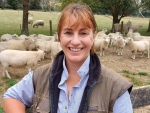
B+LNZ's Wormwise veterinarian Mary Bowron has won the Best Sheep and Beef Vet of the Year Award in recognition of her outstanding contribution to New Zealand’s sheep and beef sector.




 increase font size
 The New Zealand Veterinary Association Te Pae Kīrehe is calling on animal owners to work with their veterinarian to keep animals healthy and help prevent drug-resistant infections from developing.
The New Zealand Veterinary Association Te Pae Kīrehe (NZVA) is calling on animal owners to work with their veterinarian to keep animals healthy and help prevent drug-resistant infections from developing.
Owners are being urged to vaccinate their animals against preventable diseases and keep these up-to-date; isolate sick and potentially infectious animals away from healthy ones; and provide a well-balanced diet and continued access to shade and shelter, to help stop animals becoming unwell.
The calls come as the veterinary profession marks World AMR Awarenes Week (18-24 November), a global campaign to address the issue of antimicrobial resistance (AMR) that threatens human and animal health.
The World Health Organisation lists AMR as a top 10 global health threat to people, animals and the environment.
NZVA head of veterinary services – companion animal Sally Cory says reducing the need for antibiotic treatment helps safeguard these critical medicines for the future.
“The more we can keep animals well, the less frequently antibiotics may need to be used, and the less chance there is of harmful bacteria becoming difficult or impossible to treat,” says Cory.
“We want to see all owners doing everything they can to reduce the risk of preventable illnesses and infections from arising, not just for the comfort and welfare of their animals, but for everyone’s long-term health – antibiotic resistant infections are a significant threat.”
Cory adds that owner awareness of how precious antibiotics are is an ongoing challenge, as vets routinely manage owner expectations to be prescribed the drugs.
“We don’t always need antibiotics when we’re unwell, and it’s the same for animals,” she says. “If you are prescribed an antibiotic for your pet or stock, it’s critical that you follow your vet’s instructions on the amount, frequency, and length of time it needs to be given.”
For farmers, having an effective and comprehensive vaccination programme is key to preventing illness, as many diseases an be effectively vaccinated against.
Owners should also let their veterinarian know if their animal isn’t responding to antibiotics, as they may need more investigations and/or a different approach.
“This doesn’t necessarily mean they need another or antibiotic or a bigger dose, but a different course of action might be needed,” Cory says.
Total antibiotic use in all New Zealand animals has fallen in recent years. NZVA says these efforts are contributing to their aspirational goal that by 2030, New Zealand will not need antibiotics for the maintenance of animal health and wellness.
B+LNZ's Wormwise veterinarian Mary Bowron has won the Best Sheep and Beef Vet of the Year Award in recognition of her outstanding contribution to New Zealand’s sheep and beef sector.
Equine veterinarians say horse owners need to stay alert and communicate with their vets following an outbreak of the highly contagious bacterial disease Strangles in the North Island.
Vets say they support the responsible use of virtual fencing and virtual herding technology for cattle and wants to work with farmers, manufacturers and government to help shape standards for future use backed by ongoing research to strengthen animal welfare outcomes.
Animal owners can help protect life-saving antibiotics from resistant bacteria by keeping their animals healthy, says the New Zealand Veterinary Association.
Around 97% of New Zealand pet owners value the care provided by their vet teams, but the broader contribution of animal health professionals to society often goes unseen, a new study has revealed.

DairyNZ deputy chair Cameron Henderson has been re-appointed unopposed for another term.
Farms across the upper North Island are trialling different pasture mixes as part of a research programme that aims to build greater resilience into farming systems.
Election years are always a concerning time for farmers, according to DairyNZ chair Tracy Brown.
The Ballance Farm Environment Awards are coming to the West Coast of the South Island.
Most dairy regions around the country have had a pretty good season so far says Tracy Brown.




OPINION: The same mainstream media muppets that brought you Jacindamania in 2017 have been flat out pimping for the Opportunities…
OPINION: Your old mate reckons the atrocious way farmers in the UK are treated by their lords and masters in…