
Bird Flu: Keep Distance, Wash Hands, Report It
OPINION: It's a tough pill to swallow that bird flu (avian influenza) has finally arrived in New Zealand. This is a moment many of us have hoped would never come.




 increase font size
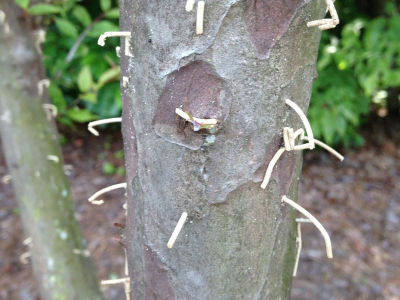 As the beetle tunnels, strands of boring dust, which look like toothpicks, extend from the tree.
Biosecurity New Zealand needs your help to dig out the wood-boring granulate ambrosia beetle.
The unwanted pest has been detected in five Auckland areas since 20 February.
This is the first time the beetle has been found in New Zealand. While is unclear how the beetle arrived in New Zealand, the evidence to date suggests it may have been in the country for two years.
The beetle is regarded as a serious pest overseas. It is known to feed on a wide range of broadleaf trees, including horticultural species such as avocado, and can spread fungal diseases.
Biosecurity NZ is currently assessing the potential risk from the beetle to New Zealand, says Brendan Gould, Biosecurity surveillance and incursion manager.
“We need to know if New Zealand has a wider population, which is why we are asking the public to report any possible sightings.”
The beetle resides under bark, making it difficult to detect.
Gould says a tell-tale sign is distinctive protrusions of frass (compacted sawdust) from bark that look like toothpicks. They are caused by the beetles pushing frass out of tunnels bored into the trees. Other symptoms include sap oozing from the tunnel entrances and branch dieback.
He says officials are working with local authorities to identify the extent of the spread, including inspecting known host trees and placing lured traps around the detection sites.
Biosecurity NZ has also directed the removal of infested oak trees at one of the sites.
The beetle is native to tropical and subtropical East Asia. It has been found in many areas in the world, including Africa, USA, Central America, Europe, some Pacific Islands, and most recently in Queensland.
Anyone who believes they have seen the granulate ambrosia beetle or any sign of frass on trees should take a photo and call Biosecurity NZ’s exotic pests and diseases hotline on 0800 80 99 66.
OPINION: It's a tough pill to swallow that bird flu (avian influenza) has finally arrived in New Zealand. This is a moment many of us have hoped would never come.
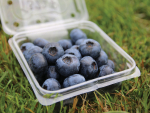
Blueberry growers are warning that fresh imports could pose a huge biosecurity risk for NZ’s horticulture sector.
New import standards could put New Zealand’s blueberry industry and the wider horticulture industry at risk.
Controls on the movement of fruit and vegetables in the Auckland suburb of Mt Roskill have been lifted.
Legal controls on the movement of fruits and vegetables are now in place in Auckland’s Mt Roskill suburb, says Biosecurity New Zealand Commissioner North Mike Inglis.


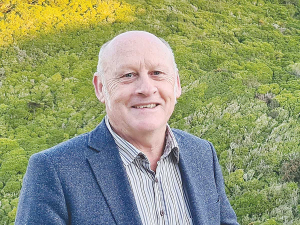
The Royal New Zealand College of General Practitioners (the College) and Hauora Taiwhenua Rural Health Network are calling for investment in a proposed new training pathway for rural GPs, warning that many rural practices are struggling to recruit while a large share of the existing workforce nears retirement.
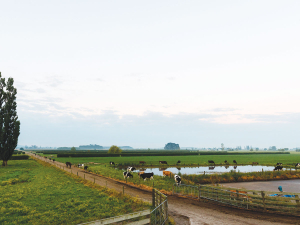
Federated Farmers has called on Central Otago District Council (CODC) to drop or vote down a plan to truck sludge from Alexandra and Cromwell to farmland near Lauder, warning it would compound an "outrageous" situation created by a separate council's decision weeks earlier.
Synlait has swung to second-half profit as operations stabilise, but the dairy processor still posted a $75.4m annual loss.
LIC shareholders have elected a new North Island representative to the co-operative's Board, along with five representatives to its Shareholder Reference Group (SRG), following the company's Annual Meeting held in Invercargill.
Farmers across parts of Southland and South Otago are continuing to deal with difficult conditions after a prolonged run of wet weather, with pressure building around feed supply, stock management, pasture damage, farm infrastructure and everyday workloads.
Federated Farmers says it welcomes Labour's commitment to reviewing the Sharemilking Agreements Act, calling on other major parties to do the same.





OPINION: The same mainstream media muppets that brought you Jacindamania in 2017 have been flat out pimping for the Opportunities…
OPINION: Your old mate reckons the atrocious way farmers in the UK are treated by their lords and masters in…




