
Kiwifruit Growers Prepare for El Niño, Stay Optimistic
Kiwifruit growers are watchful but remain optimistic as concerns around the potential effects of the El Niño weather pattern this season.




 increase font size
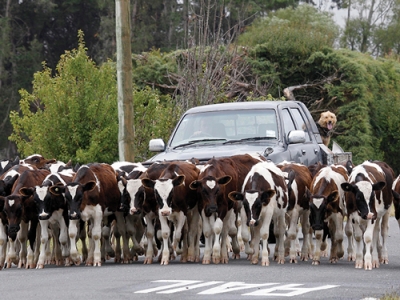 North Canterbury farmer Emmet Daly moving some of his calves down Mina Road, near Cheviot, last week to a paddock with more feed as a light drizzle fell throughout the district.
"Everyone's trying all sorts of combinations to get through" is how Cheviot's Emmet Daly describes North Canterbury farmers' efforts to cope with their sixth season of drought.
The 50mm of rain that fell January 2 was a huge morale booster for the locals, says Doug Archbold, chairman of the North Canterbury Rural Support Trust. He knows of several farmers who sat looking out the window watching the rain; at least one went out and danced in it.
The rainfall exceeded falls in the first seven months of 2015, giving new life to brassicas, rapeseed and kale and helping lucerne crops.
NIWA's latest soil moisture deficit map shows a dire water situation in North Canterbury: the moisture deficit in some parts of the district is at least 130mm in the red.
Archbold says there is quite a variation in the Hurunui district: Scargill, Waikari, Hawarden and the Leamington valley are "very, very dry," but some coastal areas are average for rainfall.
Rainfall data from a new NIWA monitoring station near Medbury indicates the area is within 10-15ml of the driest year on record. This all points to the worst drought in 20 years, possibly becoming the worst since records began.
But the news is not all bad: Archbold says sterling work by Beef + Lamb NZ in holding numerous info days has enabled farmers to make early decisions. Those who made early tough decisions have come through well.
Toughest of all has been on de-stocking – especially capital stock. Archbold says a huge de-stocking of beef cattle around the Hurunui has had a big impact.
Driving around the district it is starkly obvious how much de-stocking has occurred: paddock after paddock is bare of feed and stock. And in several cases the animals remaining are already reliant on supplementary feed.
Daly, discussing his own efforts, says he had reduced his stock numbers by 300 ewes and increased his crops in an effort to cope, but highlights poor yields from some of his crops.
He says the money's not there for farmers and there will be big financial headaches for people when they need to restock.
Archbold also points to the financial implications of such a long drought and he praises the banks for being supportive.
However, the hottest month of the year is still to come and the next six months will be crucial for farmers and banks. Hopefully they can hold their nerve as the weather changes from El Nino to a La Nina cycle and the prospect of rain.
Kiwifruit growers are watchful but remain optimistic as concerns around the potential effects of the El Niño weather pattern this season.
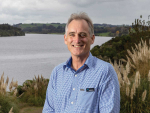
With forecasters advising El Niño conditions will develop through winter and strengthen into spring and summer, Ballance Agri-Nutrients is encouraging farmers and growers to think ahead about nutrient planning and be prepared to work around challenging weather conditions.
Recent weather events in the Bay of Plenty, Gisborne/Tairawhiti, and Canterbury have been declared a medium-scale adverse event.
Sheep and beef farmers in Hawke's Bay are being urged to keep a close eye on the wells that supply water to their stock.
Agriculture and Forestry Minister Todd McClay is encouraging farmers and growers to stay up to date with weather warnings and seek support should they need it.


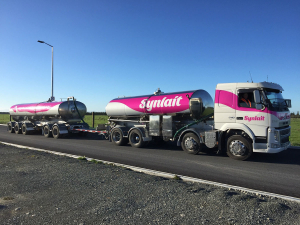
Synlait has swung to second-half profit as operations stabilise, but the dairy processor still posted a $75.4m annual loss.

LIC shareholders have elected a new North Island representative to the co-operative's Board, along with five representatives to its Shareholder Reference Group (SRG), following the company's Annual Meeting held in Invercargill.
Farmers across parts of Southland and South Otago are continuing to deal with difficult conditions after a prolonged run of wet weather, with pressure building around feed supply, stock management, pasture damage, farm infrastructure and everyday workloads.
Federated Farmers says it welcomes Labour's commitment to reviewing the Sharemilking Agreements Act, calling on other major parties to do the same.
For Canterbury dairy farmers Sian Meijer and Rick Wobben, wearable technology has become one of their most valuable on-farm tools - helping manage 1850 cows across an expansive, high-performing dairy operation while improving efficiency, mating outcomes and day-to-day decision making.
Fonterra has unveiled its annual results for the 2026 financial year, posting $27 billion in revenue and close to $20 billion returned to New Zealand farmer owners and unit holders.




OPINION: The same mainstream media muppets that brought you Jacindamania in 2017 have been flat out pimping for the Opportunities…
OPINION: Your old mate reckons the atrocious way farmers in the UK are treated by their lords and masters in…




