McRae Wins Southern South Island B+LNZ Director Vote
Matt McRae, a farmer from Mokoreta in Southland who runs a sheep, beef and dairy support business alongside a sheep stud, has been elected to the Beef +Lamb NZ Board as a farmer director.




 increase font size
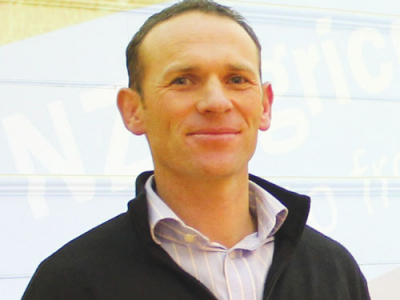 James Parsons.
The pendulum may be swinging too far on regulation, so stifling innovation, Beef + Lamb NZ chairman James Parson suggests.
The way NZ deregulated in the 1980s held some real lessons, he told the recent Agcarm conference in Auckland.
“The success of NZ particularly in the primary sector has been where we’ve had a light-handed regulatory approach, a clear framework – outcomes focused but letting industry get on and work out how they move on that.”
The pendulum may perhaps be swinging too far the other way, Parsons suggests. “We are starting to get quite prescriptive regulation to solve complex issues.”
He says regulations coming out on water quality, health and safety – and “the list goes on” – stem from greater demands by the public about complex issues.
“So naturally government and local government are reaching more to the regulatory toolbox. [But] when they come out with proscriptive regulation it stifles innovation,” Parson says.
The way of progress is by outcomes rather than input measures.
“In the case of water quality… in the Waikato right now quite stringent rules under Plan Change One are saying farmers need to fence off their waterways up to 15 degrees of slope which is getting quite steep.
“They are saying there’s an input and we can measure how many fences are fenced off – therefore, line of sight, that will improve water quality.
“But that is an input measure; [whereas] the outcome we are after is improved water quality. If you put in prescriptive rules and say farmers need to fence off all these waterways – job done, it may not actually deliver.
“If farmers have these targets but have the ability to be creative and innovative about the way they do it, you get a whole lot of innovations happening.”
Deregulation drove a lot of innovation in the mid-1980s because it had to be done, Parsons says.
Sheep and beef farmers are independent, quite individualistic and their values are “fantastic,” he says. These include hard work, innovation, family, community and they are hospitable.
A product such as artificial meat might challenge the lower cuts of meat, but will never have a story behind it.
“This about how we position our products from a marketing perspective; [artificial meat] is never going to have a story.”
With real meat you can talk about farmers’ values – they produce products with care.
“That is our opportunity. How do we position ourselves against some of these things? …. They will come in, but in what sort of volume and at what end of the market will they try for substitution?”
Historically, he says, we have not used our grass fed system in marketing as much as we could. “We take a lot for granted in the way we produce our product here.
“We have a completely new market development strategy within BLNZ and across the sector. We are building that now… pushing the grass fed story. I think the time is right for grass fed. When you think of grass fed in the US, there is some real interest in that. There is a great story behind it.”
The US is already using grass fed in their marketing, Parsons says.
Matt McRae, a farmer from Mokoreta in Southland who runs a sheep, beef and dairy support business alongside a sheep stud, has been elected to the Beef +Lamb NZ Board as a farmer director.
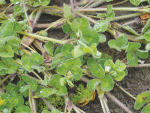
Recent widespread autumn rain will have triggered the germination of subterranean clover seeds, and the resulting seedlings should be allowed to reach the 3–4 trifoliate leaf stage before grazing, says Beef+Lamb NZ.
A hub farm in each of Beef + Lamb NZ’s seven regions and more focus groups are being rolled out for the red meat sector this year.
The red meat sector is poised for a strong rebound this season, with export receipts forecast to top $10 billion and farm profitability to almost double.
Progeny testing at Pāmu’s Kepler farm in Southland as part of Beef + Lamb New Zealand’s Informing New Zealand Beef programme is showing that the benefits of hybrid vigour could have a massive impact on the future of beef breeding.
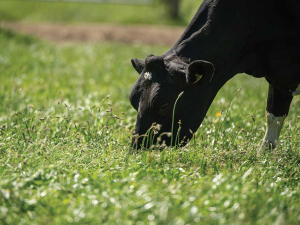
Farms across the upper North Island are trialling different pasture mixes as part of a research programme that aims to build greater resilience into farming systems.
Election years are always a concerning time for farmers, according to DairyNZ chair Tracy Brown.
The Ballance Farm Environment Awards are coming to the West Coast of the South Island.
Most dairy regions around the country have had a pretty good season so far says Tracy Brown.
Rural leader Mark Hooper has been appointed as an independent director to the NZPork board, bringing extensive farming, governance and advocacy experience to the role.


OPINION: The same mainstream media muppets that brought you Jacindamania in 2017 have been flat out pimping for the Opportunities…
OPINION: Your old mate reckons the atrocious way farmers in the UK are treated by their lords and masters in…