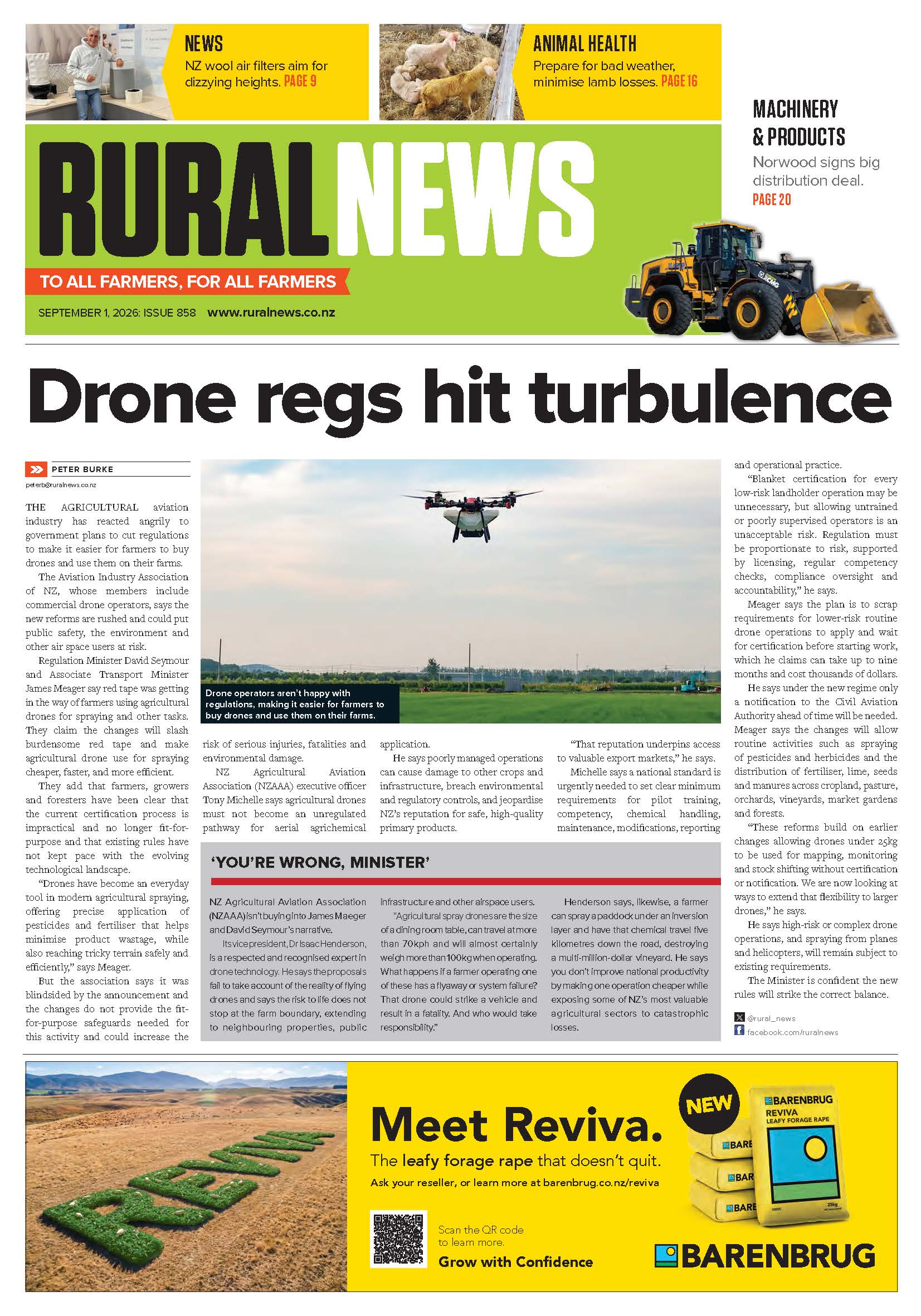
Mark Hooper Joins NZPork Board as Independent Director
Rural leader Mark Hooper has been appointed as an independent director to the NZPork board, bringing extensive farming, governance and advocacy experience to the role.




 increase font size
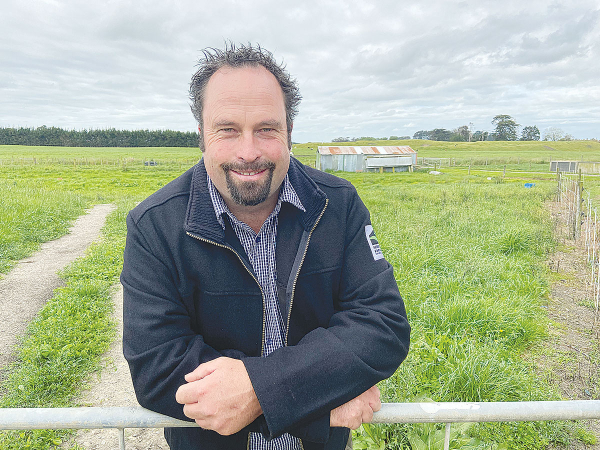 Federated Farmers banking spokesperson Richard McIntyre.
There are calls for the Reserve Bank to drop its banking capital rules, which Federated Farmers says is costing farmers a fortune.
Federated Farmers banking spokesperson Richard McIntyre says the Reserve Bank's rules are among the strictest in the world and are a handbrake for economic growth.
"They've unnecessarily driven up the cost of rural lending to the point they're bleeding farmers dry - for no good reason," McIntyre says.
In 2019, the Reserve Bank introduced new rules requiring banks to hold enough capital to withstand a one-in-200-year financial event, adding 50 to 120 basis points to agricultural loans.
Prior to the rule change, banks were only required to hold enough capital to withstand a one-in-100-year financial event.
Now, Federated Farmers are calling on the Reserve Bank to revert to that standard.
"In terms of the total cost to farmers, we're talking about $600 million of unnecessary extra interest payments each year," McIntyre says.
He says that at the farm level, that equates to $44,000 of extra interest payments for the average farmer.
"That’s a huge sum of money being sucked directly out of our rural communities that otherwise would have been reinvested in growing our agricultural sector."
This week, Bank of New Zealand chief executive Dan Huggins told Parliament's banking inquiry that the Reserve Bank rules have driven up farmers' interest rates by 1%.
This means that a 6.5% loan is now 7.5%.
McIntyre says the Reserve Bank needs to open its eyes to the damage the policy is creating for farmers, rural communities, and the wider economy.
"These capital rules have been a real focus for Federated Farmers throughout the banking inquiry. In fact, they’re one of the main reasons we called for an inquiry in the first place," he says.
"All the rules have done is driven up the cost of borrowing and made it harder for farmers to get loans when they need them.
"Federated Farmers will keep pushing hard for a fairer banking system for farmers - and with a change of leadership at the RBNZ, the door is certainly open to achieving that."
Rural leader Mark Hooper has been appointed as an independent director to the NZPork board, bringing extensive farming, governance and advocacy experience to the role.

The terrible floods that hit the Wairarapa may have subsided, but the danger to farmers still exists, according to local Federated Farmers president Rob Hickson.
Will a stronger, more coordinated voice help rebuild confidence and improve returns in the wool sector?
New Zealand's pest problem has reached crisis point, according to Federated Farmers' second National Pests Survey, which shows farmers are spending more money and effort on control — yet pest numbers keep climbing faster than they were two years ago.
Despite political shenanigans in Wellington, farmers are confident that Resource Management Act (RMA) reforms will get over the line in this term of Parliament.



Now in its fourth year, the 2026 Fencing Industry Awards, formed part of the proceedings of the FCANZ Conference, held in Nelson during August.
DairyNZ deputy chair Cameron Henderson has been re-appointed unopposed for another term.
OPINION: The stats speak for themselves.
Farms across the upper North Island are trialling different pasture mixes as part of a research programme that aims to build greater resilience into farming systems.
Election years are always a concerning time for farmers, according to DairyNZ chair Tracy Brown.
The Ballance Farm Environment Awards are coming to the West Coast of the South Island.


OPINION: The same mainstream media muppets that brought you Jacindamania in 2017 have been flat out pimping for the Opportunities…
OPINION: Your old mate reckons the atrocious way farmers in the UK are treated by their lords and masters in…