Milk Powder Prices Prop Up Farmgate Milk Price
Milk powder prices are keeping farmgate prices up, helping processors offset the dip in milk fat prices.




 increase font size
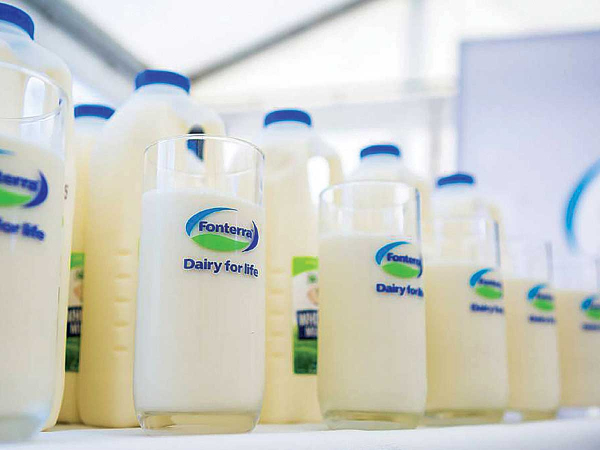 Despite a record milk price, rising costs could still slash profit margins for farmers.
A record $9/kgMS milk price is becoming a real prospect – but rising costs will slash profit margins.
Strong demand and tight global supply, including soft domestic milk production figures, are putting upward pressure on prices.
However, costs – both on and off farm – are rising, threatening profit margins.
BNZ senior economist Doug Steel says price rises on Global Dairy Trade auctions over the last few months mean a record milk price, beating the 2013-14 record of $8.40/kgMS, is highly likely. But he points out that this doesn’t mean “a record price in real terms”.
Rising costs mean it won’t be a record profit for most farmers. However, strong revenues from the high milk price will mean a reasonably profitable season.
“Even if GDT prices are maintained at current levels going forward, there’s a reasonable chance of a $9 milk price this season,” he told Rural News.
But Steel warns that we’re living in a world “with many moving parts”. International fertiliser prices and shipping costs continue to rise. On farm fuel and contractor costs are soaring, while interest rates also on the up.
“Farmers are doing their best to manage costs, but while revenues are strong, the high costs take the gloss off the bottom line to some extent,” says Steel.
BNZ is forecasting a milk price of $8.90/kgMS – the top end of Fonterra’s forecast milk price range of $7.90 to $8.90/kgMS. The co-operative is expected to upgrade its forecast when it releases its first quarter results on December 3.
Steel says there’s a strong chance Fonterra will revise its forecast price range. He notes that since the co-operative’s last upgrade, international dairy prices have risen 7%.
Milk powder prices are keeping farmgate prices up, helping processors offset the dip in milk fat prices.
A milk glut around the world shows no sign of easing, putting downward pressure on farmgate milk prices for the next few months.
RaboResearch senior analyst Emma Higgins expects the 2026/27 dairy season to be another profitable one.
OPINION: The good news keeps getting better for NZ dairy farmers.
Buyers trying to secure supply are keeping dairy prices at elevated levels.



Federated Farmers has welcomed new rural policies released by ACT, saying they align closely with its own election priorities.

Rural Contractors NZ says proposed changes to land transport rules for agricultural vehicles are a welcome response by the Government to out of date regulations which have seen members hit with huge fines.
Alliance is calling for final applications for its 2027 Graduate Programme, with applications closing on Sunday 25 October.
Decades piloting planes has ensured vet and farmer David Hayes is focused on safety. So, after a serious accident while welding on farm, he is sharing his experience so others can learn from it.
Canterbury milk processor, Synlait Milk has confirmed Leon Fung as its chief executive officer.
OPINION: Making it easier to collect rainwater and use it to grow crops and livestock is a no brainer.





OPINION: The same mainstream media muppets that brought you Jacindamania in 2017 have been flat out pimping for the Opportunities…
OPINION: Your old mate reckons the atrocious way farmers in the UK are treated by their lords and masters in…




