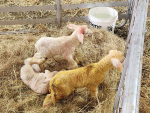
Beef + Lamb NZ's Lambing Kit Checklist for a Tough Season
With lambing underway in many regions, Beef + Lamb New Zealand is encouraging farmers to put together a wellequipped lambing kit to help minimise lamb losses, particularly in bad weather.




 increase font size
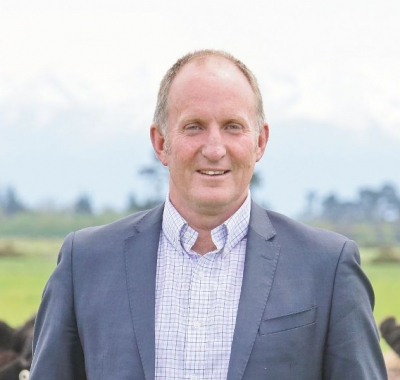
Sheep and beef farmers have agreed to proceed with a new Biosecurity levy for Mycoplasma Bovis response.
A Beef + Lamb New Zealand (B+LNZ) says it will proceed with the levy following consultation with farmers.
It says 59% of farmers who provided feedback supported B+LNZ’s proposals, which included raising the maximum rate for cattle under the new levy from $0.45/head to $2.00/head, with an initial levy rate of $1.80/head for beef cattle, and allowing different rates to be set for different stock classes, so that dairy cattle could be exempt from a ‘beef cattle’ levy for the M. bovis response.
B+LNZ sought farmers’ views on lifting the cap on the biosecurity levy so the beef sector can meet its 6% ($17.4 million) share of the costs of the M. bovis response. This is an increase on the maximum levy rate approved by farmers when consulted on the Government Industry Agreement (GIA) proposal in 2017.
“Farmers have told us they recognise the importance of the M. bovis response and the need for the beef cattle industry to actively play its part in helping to eradicate the disease,” says B+LNZ chairman Andrew Morrison.
“We also understand the concerns of farmers around the effectiveness of the response and that the announcement about a backlog of investigations and testing has undermined some farmers’ confidence
.“B+LNZ needs to have a seat at the table to ensure beef farmers’ views are heard. We are working hard with our response partners, the Ministry for Primary Industries (MPI) and DairyNZ, to resolve these issues and strengthen the M. bovis programme so we have the best possible chance to eradicate the disease.
“However, we need the help of all farmers and industry to be successful and it’s vital farmers and the industry meet their bio-security obligations.”
The Minister of Agriculture will assess B+LNZ’s application to introduce the levy. If the Minister approves it, he will then recommend the introduction of a levy order. Due to the time involved in this process, B+LNZ anticipates the new biosecurity levy will not be in place until the end of the year.
B+LNZ received 1,601 submissions during the consultation period, which was held over May and June.
With lambing underway in many regions, Beef + Lamb New Zealand is encouraging farmers to put together a wellequipped lambing kit to help minimise lamb losses, particularly in bad weather.

Chinese beef trade quotas and a looming suspension of Brazilian beef imports into the European Union are expected to reshape global beef trade flows over the remainder of 2026, with implications for New Zealand exporters, according to Rabobank's Q3 Global Beef Quarterly report.
Will a stronger, more coordinated voice help rebuild confidence and improve returns in the wool sector?
Bovine Viral Diarrhoea (BVD) is sometimes viewed as a dairy industry issue, but the reality is that the disease can have serious consequences for beef breeding herds as well.
It’s official, lamb will take centre stage on Kiwi Christmas tables this year.



The potato industry is celebrating the success of two rising stars - James Blair, the 2026 Young Grower of the Year and runner-up and innovation award winner, Amber Davy.
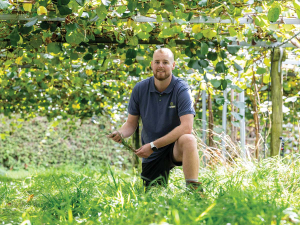
Twenty-eight emerging leaders from across the horticulture sector spent two days last month learning valuable skills and connecting with industry experts.
There are five entrants in this year’s Young Horticulturist of the Year, competing in a series of technical, practical, business and leadership challenges.
A seasoned horticulturist has been appointed to deliver the Apple Action Plan, a key initiative of the India-New Zealand Free Trade Agreement.
New Zealand's citrus growers have been told to compete on the value built into their fruit rather than the volume they grow.
Hawke's Bay fruit growers are being reminded of the need to prepare for whatever the El Niño weather system may bring in the coming months.




OPINION: The same mainstream media muppets that brought you Jacindamania in 2017 have been flat out pimping for the Opportunities…
OPINION: Your old mate reckons the atrocious way farmers in the UK are treated by their lords and masters in…




