
NZ avocado growers report mixed season amid weather challenges
Avocado growers are reporting a successful season, but some are struggling to keep their operations afloat following years of bad weather.




 increase font size
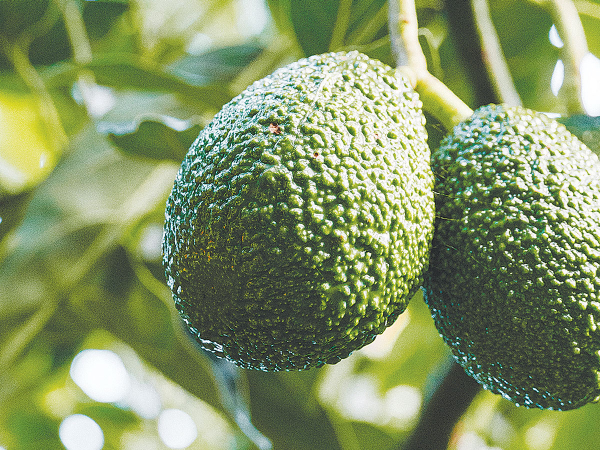 Newly announced World Avocado Congress 2023 keynote speaker Eric Imbert says the golden age is over for avocados.
Attendees of the upcoming World Avocado Congress NZ 2023 can expect to be challenged by keynote speaker Eric Imbert.
Imbert, an international researcher and agri-economics and food technologies engineer, has been announced as the latest addition to the keynote speaker line-up.
The World Avocado Congress is taking place in Auckland from 2-5 April 2023 and will address the changing world of avocado production and consider how sustainable the global industry is across the environment, people and economics.
“The golden age is over and the world avocado market is changing fast,” says Imbert, the lead researcher for CIRAD, the French agricultural research centre working for the sustainable development of tropical and Mediterranean regions.
With over 20 years’ experience in fruit markets, across both commercial and research, Imbert is the publishing director of FRUITROP, CIRAD’s market news and research service specialised in the field of the international fruit trade.
He and his team closely follow the world avocado market and produce vital reporting data and market analysis, providing a transparent overview of the avocado industry in key exporting countries.
“We project world production based on data ‘from the grove’ and speaking with relevant growers in key exporting countries. We also forecast the evolution of demand in the most relevant world markets and subsequently cross those two trends.”
He says avocados are an incredible fruit and there is strong evidence of their health benefits.
“The growth potential of the market remains very strong, however, production is developing too quickly now.
“It’s essential we deliver this message to all stakeholders of the world avocado industry, who are often small or medium size growers.”
For the World Avocado Congress, Imbert will update his research to include more data and information on Australasia and provide a vision as to how the world avocado market can continue to evolve in the mid-long term.
As part of his first visit to New Zealand, Imbert will visit New Zealand’s primary avocado growing regions, taking in two of the eight field days offered at the congress. He also plans to meet with stakeholders right across the NZ value chain to hear their stories. Imbert will produce a report through his publication FRUITROP, on New Zealand’s avocado industry.
“A great part of the world production still comes from small to medium size growers, and the industry plays an enormous social and economic role,” he says. “It’s important to ‘protect the market’ working in two directions: reducing the plantation rhythm and also investing more in promotion to stimulate the great margin of growth that exists everywhere in the world.”
President of the World Avocado Congress committee Jen Scoular says Imbert’s topic aligns well with the Congress theme ‘Respectful’.
“The congress will challenge what we think we know,” Scoular says. “Our speakers will likely pose uncomfortable question and concepts. But, to ensure the sustainable growth of the global avocado industry, we must consider the phrase ‘growth occurs outside the comfort zone’ and all play our part in a vital conversation about the future of the avocado sector globally.”
“The global landscape has vastly changed since the last World Avocado Congress was held in Colombia in 2019. We continue to navigate the challenges of a post-pandemic world. While these challenges have forced some uncomfortable questions, they have simultaneously created and encouraged a future ripe with opportunities when it comes the changing world of avocado production.”
Avocado growers are reporting a successful season, but some are struggling to keep their operations afloat following years of bad weather.

While NZ Avocado is not directly involved in selling fruit, it does have a significant role in supporting exporters to develop and grow markets.
After two challenging years, the country’s avocado growers are quietly optimistic that a good year is in the making.
Outgoing chief executive of New Zealand Avocado, Jen Scoular believes the sector is well set up despite a challenging environment for growers around the globe.
A new report by Rabobank says global avocado trade will continue to grow in the next few years, but the market will be more competitive.


National’s pledge to introduce 19 new national standards shows the party is serious about getting Wellington out of farming, Federated Farmers says.
The National Party’s policies to make it easier to grow fresh vegetables, secure reliable water and energy and simplify farm planning are practical changes that will give growers the confidence to invest, according to Horticulture New Zealand (HortNZ).
Fonterra Co-operative Group chief financial officer Andrew Murray has resigned to take up a role outside the dairy giant.
A major move is about to get underway to improve the quality and viability of dairy beef and cattle in NZ.
Veterinarians say changes to the code of welfare for dairy cattle provides a positive foundation for improved cattle welfare across the country.
Today, 15 October, is the International Day of Rural Women, which recognises rural women’s contribution to farming, communities and the environment.



OPINION: The same mainstream media muppets that brought you Jacindamania in 2017 have been flat out pimping for the Opportunities…
OPINION: Your old mate reckons the atrocious way farmers in the UK are treated by their lords and masters in…




