
NZ Forestry Exports to India Now Tariff Free
More than 95 per cent of New Zealand’s forestry and wood exports to India can now enter tariff free as the New Zealand-India Free Trade Agreement comes into force today.




 increase font size
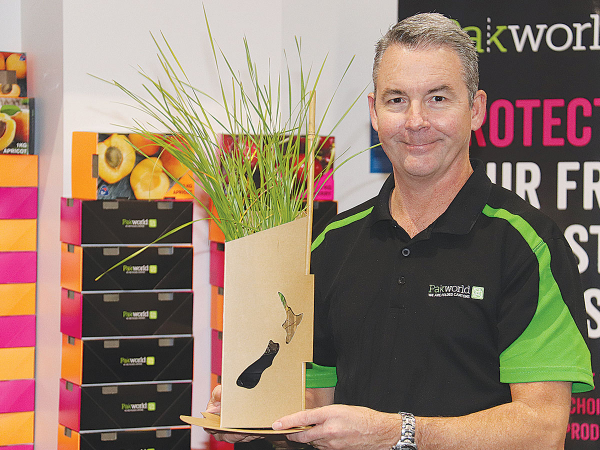 Jonathan Flett says the tree protectors are designed to prevent animals such as rabbits and hares from attacking and damaging young trees.
Seeing plastic tree protectors in the forest prompted a Christchurch cardboard packaging manufacturer to try something different - and now the business is booming.
Pakworld, originally a family-owned business, makes cardboard boxes in which are packed everything from cosmetics to alcohol - and cherries for the horticultural sector.
Jonathan Flett, who was one of the original owners and still works for Pakworld, says seeing the plastic tree protectors occurred at the same time as the Government was rolling out its large tree planting programme. He told Rural News they realised that they could produce a tree protector from cardboard, which was sustainable and naturally biodegradable.
The protectors are designed to prevent animals such as rabbits and hares from attacking and damaging young trees until they are established - be this in a forest or alongside a highway. Flett says they quickly desinged their own cardboard protector and it's been a winner.
"With the plastic protectors, the grower has to go out into the forest and pick up the plastic because it is not biodegradable," he explains. "But with the cardboard product, it will last for between 18 months and two years and will then naturally rot into the soil."
Incorporated into the tree protectors is a small weed mat, which slides around the base of the small newly planted tree and prevents it from being overcome by weeds. The weed mat also has a small hole in it, which allows for a stake to put alongside the tree.
"When we are making the main protector, we use the off-cut from this to make the weed mat so there is little wastage," says Flett.
He admits the idea of the cardboard protector is not new and understands that similar products are manufactured and used in Europe.
On a general note, Flett says they are noticing that discerning customers and consumers are favouring cardboard packaging over plastic. He says people want to do their bit for the environment and using recyclable and biodegradable packaging is one way of doing this.
More than 95 per cent of New Zealand’s forestry and wood exports to India can now enter tariff free as the New Zealand-India Free Trade Agreement comes into force today.
The New Zealand Institute of Forestry (NZIF) says unnecessary changes to New Zealand’s Emissions Trading Scheme (NZ ETS) will seriously erode investor confidence and result in significant reductions in forest planting rates.
New Zealand needs to make sure that it continues to focus on its own food security, according to HortNZ board member and blueberry grower Dermott Malley.
Bank of New Zealand (BNZ) and Pāmu (Landcorp Farming Limited) have developed a new way for landowners to earn revenue from existing native forests.
Forestry Minister Todd McClay has today congratulated the winners of the 2026 Growing Native Forests Champions Awards at Fieldays.


Federated Farmers has welcomed new rural policies released by ACT, saying they align closely with its own election priorities.

Rural Contractors NZ says proposed changes to land transport rules for agricultural vehicles are a welcome response by the Government to out of date regulations which have seen members hit with huge fines.
Alliance is calling for final applications for its 2027 Graduate Programme, with applications closing on Sunday 25 October.
Decades piloting planes has ensured vet and farmer David Hayes is focused on safety. So, after a serious accident while welding on farm, he is sharing his experience so others can learn from it.
Canterbury milk processor, Synlait Milk has confirmed Leon Fung as its chief executive officer.
OPINION: Making it easier to collect rainwater and use it to grow crops and livestock is a no brainer.





OPINION: The same mainstream media muppets that brought you Jacindamania in 2017 have been flat out pimping for the Opportunities…
OPINION: Your old mate reckons the atrocious way farmers in the UK are treated by their lords and masters in…




