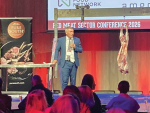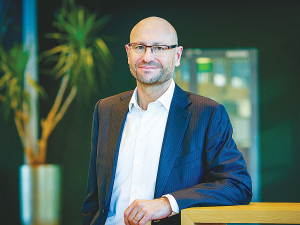
Thatt's the view of Meat Industry Association (MIA) chief executive Sirma Karapeeva.
She says the MIA - along with MPI, DHBs and the Ministry of Health - are working with employers at meat processing plants to see if these facilities can be used as sites for large-scale vaccinations.
Karapeeva says the MIA has been advocating for this since the beginning of the year.
"We have a very large workforce of 25,000 people, which includes a high proportion of Maori and Pacifica," Karapeeva told Rural News.
"People come on a shift and start at a certain time and leave at a certain time, so conceivably it would be possible to develop an onsite vaccination programme with relative ease."
She says with the advent of the Delta variant of Covid there is a bit more realisation about the need to vaccinate people and the meat industry is offering a solution. Karapeeva says it has taken time for health officials to get their heads around working collaboratively with industry to look at practical solutions on the front line. Meanwhile, DairyNZ's head of farm performance, Sharon Morrell, says she'd like to see if they can facilitate more dairy farmers to be vaccinated against Covid-19.
Morrell says it's often forgotten that dairy farmers and others in the primary sector are classed as essential workers and need to be protected against Covid. "It would be great to see a boost in rural vaccinations," she says.
Morrell says the present outbreak of Covid has struck at the start of the dairy season; compounding the issue is the fact that many dairy farms are understaffed and there are few options to right this situation.
"Everybody is busy at this time of the year. They all have their heads down working hard, so it puts extra weight on taking the precautions that are necessary for safety around Covid," she told Rural News.
"It's about thinking about the bubble on their farm and ensuring it is not being extended in directions that farmers hadn't anticipated. This could involve people coming on to the farm - such as other family members, caregivers or contractors."
Morrell says if for any reason farmers can't keep their bubble tight, they then need t take that extra step in terms of hygiene and follow all the protocols around cleaning and personal hygiene She says it's up to managers to take the lead and make sure the business is Covid free.