Vet fund to support recovery
A new initiative to support North Island farmers recovering from flooding and Cyclone Gabrielle with veterinary services receiving $2.6 million from the Ministry for Primary Industries.




 increase font size
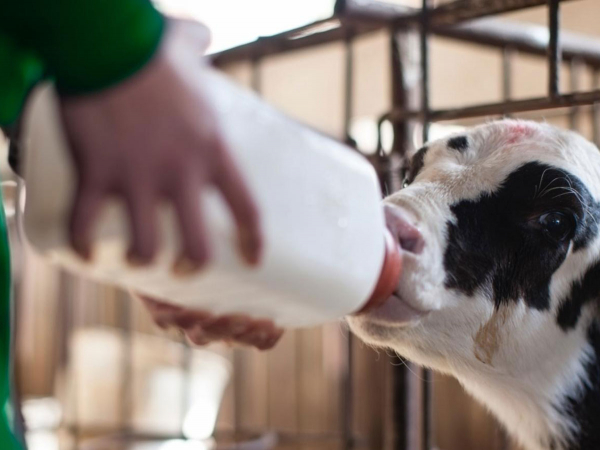 Rural vets are being reminded not to accept more emergency calls than what they can handle.
Rural vets are being reminded not to accept more emergency calls than what they can handle.
The Veterinary Council of New Zealand (VCNZ) has written to vets highlighting aspects of the Code of Professional Conduct that it says are commonly misunderstood.
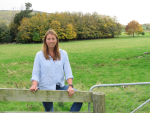
Vet recruiter Julie South, VetStaff says it’s a step in the right direction.
“I think it’s good that the council has reminded vets what their obligations are under the Code of Conduct,” she told Rural News.
“Most vets want to help every patient that crosses their paths but this isn’t possible, which means the vets sometimes beat themselves up for failing their profession, which isn’t good for their mindset.”
VCNZ chief executive and Registrar Iain McLachlan says in less stressful times, a lot of vets have taken the approach that they respond to any emergency call but under the Code they are only required to respond to calls from their own clients.
Non-clients can be referred to their normal vet,” McLachlan says. “It can be a hard decision to make, but when workloads are high, it is important that people understand their obligations and the load is shared.
“The public also needs to be aware that any changes they see are designed to make veterinary care safer and more sustainable for everyone, particularly their animals.”
A new initiative to support North Island farmers recovering from flooding and Cyclone Gabrielle with veterinary services receiving $2.6 million from the Ministry for Primary Industries.
The Veterinary Council of New Zealand (VCNZ), which regulates veterinarians and sets standards to support responsible antimicrobial use among veterinarians, is in the throes of developing a new strategy to minimize the risk of Antimicrobial resistance (AMR) in New Zealand animals.
A new collaboration effort, named Vet Futures Aotearoa, is seeking to solve the big issues faced by veterinary professionals, including labour shortages.
With canine cough having a resurgence around the country the Veterinary Council of New Zealand (VCNZ) is reminding dog owners to keep an eye out for symptoms.
Scrapping MIQ requirements from next month means vet clinics can plan ahead with certainty, says recruiter Julie South, VetStaff.



LIC shareholders have elected a new North Island representative to the co-operative's Board, along with five representatives to its Shareholder Reference Group (SRG), following the company's Annual Meeting held in Invercargill.
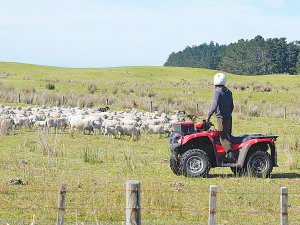
Farmers across parts of Southland and South Otago are continuing to deal with difficult conditions after a prolonged run of wet weather, with pressure building around feed supply, stock management, pasture damage, farm infrastructure and everyday workloads.
Federated Farmers says it welcomes Labour's commitment to reviewing the Sharemilking Agreements Act, calling on other major parties to do the same.
For Canterbury dairy farmers Sian Meijer and Rick Wobben, wearable technology has become one of their most valuable on-farm tools - helping manage 1850 cows across an expansive, high-performing dairy operation while improving efficiency, mating outcomes and day-to-day decision making.
Fonterra has unveiled its annual results for the 2026 financial year, posting $27 billion in revenue and close to $20 billion returned to New Zealand farmer owners and unit holders.
The first major update to the Dairy Cattle Code of Welfare in more than a decade has been released, marking what DairyNZ describes as an important step in ensuring animal welfare standards continue to evolve alongside scientific evidence and on-farm realities.




OPINION: The same mainstream media muppets that brought you Jacindamania in 2017 have been flat out pimping for the Opportunities…
OPINION: Your old mate reckons the atrocious way farmers in the UK are treated by their lords and masters in…




