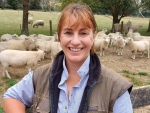
Mary Bowron Named Best Sheep and Beef Vet of the Year
B+LNZ's Wormwise veterinarian Mary Bowron has won the Best Sheep and Beef Vet of the Year Award in recognition of her outstanding contribution to New Zealand’s sheep and beef sector.




 increase font size
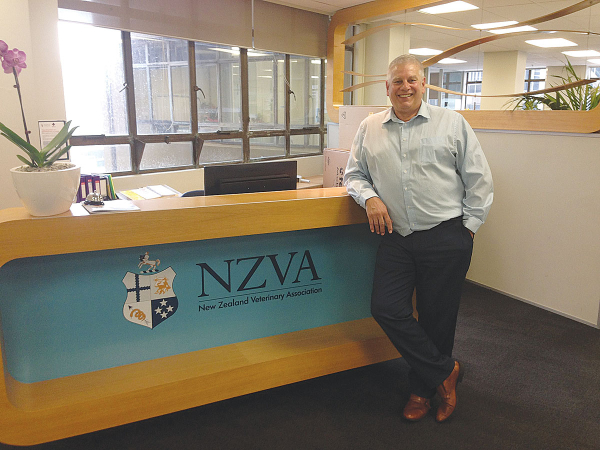 NZVA chief executive Kevin Bryant.
World Veterinary Day falls on Saturday 27 April.
The New Zealand Veterinary Association (NZVA) is celebrating the country’s veterinarians and the important role they play across the globe in keeping both animals and humans safe. This year’s theme for World Veterinary Day is: Veterinarians are essential health workers.
NZVA chief executive Kevin Bryant says the veterinary workforce encompasses a wide range of roles, including government advisors.
"Veterinarians play a huge role in our daily lives, so it’s a great opportunity to let them know how much we value their work," he said. "Not only are they the people we call when our animals are unwell, but they help ensure the ongoing welfare of animals; they ensure the safety of our food chain; identify and research diseases that can be transferred from animals to humans; and help manage and prevent serious outbreaks."
The essential role veterinarians play in the communities they live and work is also evident in the long list of achievements by Aotearoa’s veterinarians and the wider profession. Veterinarians have recently been recognised across a variety of fields, such as receiving New Zealand Royal Honours, winning Young Farmer of the Year, being presented with university medals, winning national awards, and much more. It was also recently announced the subject of Veterinary Science at Massey University had risen in the Quacquarelli Symonds (QS) Subject Rankings to 21st globally and first in Australasia.
The World Veterinary Association said that not only does veterinary science contribute to animal health and wellbeing, but also to the physical, mental, and social wellbeing of humans. All New Zealand veterinarians have had training in identifying, treating, and managing zoonoses (diseases that can transfer from animals to humans) and their relationship to public health. This important work was demonstrated during the Cyclone Gabrielle response when the veterinary profession worked alongside General Practitioners to manage the impact of leptospirosis. They also ensured essential supplies and services were provided to isolated farms; treated animals on site; and safely accommodated lost pets in clinics.
A global shortage of veterinarians has impacted New Zealand’s veterinary workforce in recent years, which has meant clinics have had to implement some changes. Bryant says the public can support veterinary teams by showing respect to vet staff; remaining patient if they have to wait slightly longer than usual for their animal to be seen; and to keep veterinary emergency services for emergencies only.
"Veterinarians are hard-working, dedicated professionals who provide an essential service and want the best for your animals," he said. "There is still a vet shortage in New Zealand that we are navigating. To help overcome these challenges, the NZVA is focused on supporting long-term investment in people and building capacity within teams."
B+LNZ's Wormwise veterinarian Mary Bowron has won the Best Sheep and Beef Vet of the Year Award in recognition of her outstanding contribution to New Zealand’s sheep and beef sector.

Vets say they support the responsible use of virtual fencing and virtual herding technology for cattle and wants to work with farmers, manufacturers and government to help shape standards for future use backed by ongoing research to strengthen animal welfare outcomes.
Taranaki veterinarian Dr Rob Mills is the new president of New Zealand Veterinary Association (NZVA).
The New Zealand Veterinary Association (NZVA) says it will be working alongside the Ministry for Primary Industries (MPI) and Animal and Plant Health New Zealand (APHANZ) as they attempt to improve access to veterinary medicines.
The New Zealand Veterinary Association (NZVA) has launched a new summer checklist for animal owners this year.

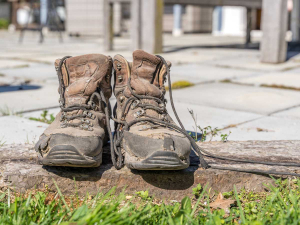
Safer Farms is urging farmers to make sure everyone working on farm has safe, suitable footwear for the job.
The Government is backing work on a community-led water storage scheme that could irrigate up to 11,000 more hectares of the Poverty Bay flats, Agriculture Minister Todd McClay says.
Agri-tech company Herd-i has become a new all-region sponsor of the New Zealand Dairy Industry Awards (NZDIA), the largest nationwide celebration of excellence in the dairy sector.
Four candidates have been confirmed for two director positions on Fonterra’s board.
Returning to the family dairy farm after playing 20 years of professional rugby around the world is no easy task.
After delivering another record farmgate milk price to 100 supplying farms, independent milk processor Tatua is entering thee new financial year with a positive outlook.

OPINION: The same mainstream media muppets that brought you Jacindamania in 2017 have been flat out pimping for the Opportunities…
OPINION: Your old mate reckons the atrocious way farmers in the UK are treated by their lords and masters in…




