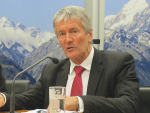
Damien O’Connor Criticises Budget 2026 as ‘Miserable’ for Rural New Zealand
A miserable budget that didn’t deliver much for anyone.




 increase font size
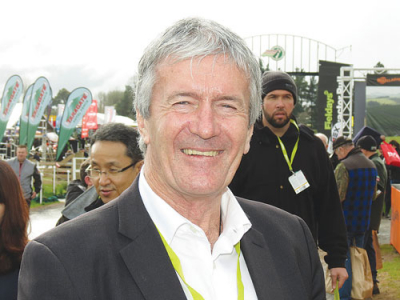 Damien O’Connor.
Agriculture Minister Damien O’Connor told the NZ Institute of Primary Industry Management conference that more R&D spending is needed in the whole economy and that not all agricultural investment will be behind the farmgate.
He says MPI’s economic intelligence unit is getting the world’s best information on trends and information on protein, fibre, etc.
“We are looking out for that information to try to bring it back and share it, but the question is should we force-feed money to try to make progress? If industries don’t see the need to do this they are going to fail anyway. We are not going to subsidise…. we went beyond that in the 1980s.
“We have to lift our game across the board because we are being challenged by all these alternatives.”
He cites margarine as an example. “As an industry we fought it and they ran over us”. It was easier to spread and after about 15 years of resistance we finally looked at spreadable butter. (Spreadable butter was made by Kaipara Co-op Dairy Co in the early 1970s. Ed.)
“For about 30 years we were beaten up by margarine until finally we got to the point where we said ‘this highly processed stuff is probably worse for you than butter’.”
“We have to wake up and be more mature about the challenges coming at us.”
“It won’t be just a picture of the Southern Alps,” he said, referring to a comment from a conference attendee that was our only response so far to the threat from alternative proteins.
“It will be a whole lot around the nutritional value of meat and ensuring there is not unwanted residues in there.
“The ability to test around residues is going up and up.”
A miserable budget that didn’t deliver much for anyone.

National's decision to ‘dribble’ information about the NZ/India to Labour contributed to the delay in it deciding to supported the FTA.
When it comes to international trade, politicians from all sides of the aisle are united, says Labour's trade spokesman Damien O'Connor.
Federated Farmers have reiterated their support for the coalition Government to abolish the present ban on the live export of animals.
As the coalition Government mulls new regulations to reinstate the export of live animals, debate is heating up between supporters and opponents.


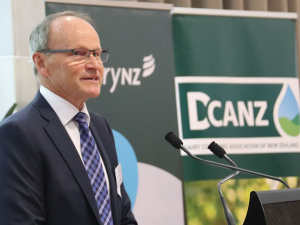
Dairy processors are ready to further boost New Zealand’s export earnings but want the incoming government to match their ambition with good policy.
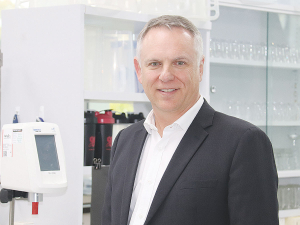
Massey University is best placed to solve the “problems” facing the dairy industry, says vice chancellor, Pierre Venter.
Synlait's longest serving employee – a man who joined the Canterbury-based milk processor even before it began processing milk – is now its newest executive.
A dairy industry leader believes eradicating the common and costly disease, Bovine Viral Diarrhoea (BVD) is within reach.
A farmgate milk price of $10/kgMS this season is firming up as milk powder prices soar and the New Zealand dollar weakens.
Federated Farmers has welcomed new rural policies released by ACT, saying they align closely with its own election priorities.




OPINION: The same mainstream media muppets that brought you Jacindamania in 2017 have been flat out pimping for the Opportunities…
OPINION: Your old mate reckons the atrocious way farmers in the UK are treated by their lords and masters in…




