
PC1 Pause Looms as Coalition Targets Waikato Farm Rules
A pause on Waikato Regional Council's (WRC) plan change that sets new freshwater rules for farming could be announced in the coming weeks.




 increase font size
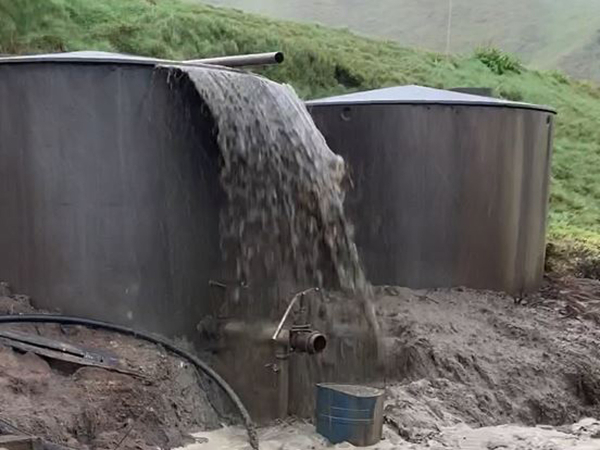 Video footage from 2 August shows effluent discharge on the site. Credit: Waikato Regional Council
Waikato Regional Council has sought an interim Enforcement Order from the Environment Court to stop piggery effluent from entering a waterway north of Te Aroha.
It marks the first occasion the council has applied for such an order.
The application was sought and granted last week (4 August) by Judge Melinda Dickey as a result of alleged ongoing, uncontrolled and unauthorised discharges to both land and water.
The order requires the piggery company to cease discharging a contaminant onto land in circumstances which may result in it entering water.
To be able to comply with the order, the company will be required to explore options of reducing stock numbers or otherwise reducing the level of effluent currently stored and explore lawful options for relocating pig effluent offsite.
Since seeking the order, Waikato Regional Council has subsequently responded to a further significant discharge of effluent reported yesterday (7 August) morning.
Landowners have been warned that piggery effluent has entered the Patuwhao Stream which flows to the Waihou River.
“There will be faecal bacteria, ammonia and high nutrients from the piggery effluent in the water, so we’re urging landowners taking surface water downstream from this site to exercise caution until the risk has passed,” says Waikato Regional Council regional compliance manager Patrick Lynch.
Lynch says that applying to the Environment Court for an interim Enforcement Order is unprecedented in the Waikato region, but the Council views the ongoing discharges as an emergency.
“They are having an extreme impact on the environment and community, which we feel necessitates such action under the Resource Management Act,” he says.
A pause on Waikato Regional Council's (WRC) plan change that sets new freshwater rules for farming could be announced in the coming weeks.

OPINION: Staying on Plan Change 1, NZ First deputy leader Shane Jones took to social media to gain some political points.
OPINION: All eyes are on the Government as Waikato farmers seek urgent help to fend off the controversial Plan Change 1 (PC1), designed to manage nutrient discharges into waterways in the region.
Waikato farmers have been told that the Government’s new planning system legislation and the region’s Plan Change 1 (PC1) “won’t mesh together very well”.
The Government is looking at intervening on behalf of Waikato farmers who face new regulations around agricultural land use while Resource Management Act (RMA) reforms are underway.



The potato industry is celebrating the success of two rising stars - James Blair, the 2026 Young Grower of the Year and runner-up and innovation award winner, Amber Davy.
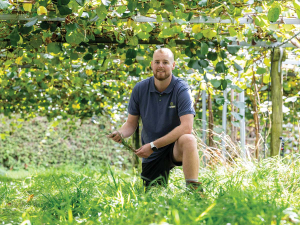
Twenty-eight emerging leaders from across the horticulture sector spent two days last month learning valuable skills and connecting with industry experts.
There are five entrants in this year’s Young Horticulturist of the Year, competing in a series of technical, practical, business and leadership challenges.
A seasoned horticulturist has been appointed to deliver the Apple Action Plan, a key initiative of the India-New Zealand Free Trade Agreement.
New Zealand's citrus growers have been told to compete on the value built into their fruit rather than the volume they grow.
Hawke's Bay fruit growers are being reminded of the need to prepare for whatever the El Niño weather system may bring in the coming months.





OPINION: The same mainstream media muppets that brought you Jacindamania in 2017 have been flat out pimping for the Opportunities…
OPINION: Your old mate reckons the atrocious way farmers in the UK are treated by their lords and masters in…




