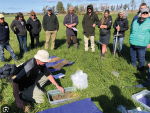
Catch the Rain: B+LNZ Trials Boost Soil Infiltration
Beef + Lamb NZ funded research has shown that some simple changes to pasture management could help farmers make better use of rainfall and build resilience before dry conditions hit.




 increase font size
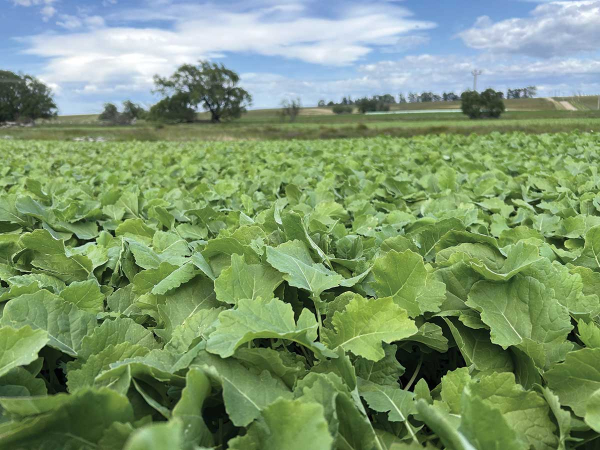 Reviva is said to offer high yields, multiple grazings and quality eating right to the ground.
It's only just hit the market, but a new forage rape bred for dryland farms has already won the approval of lambs and young cattle both north and south.
Farmers who tested Reviva for summer feed last year say their animals did well on it, even when grazing was delayed by weather and they thought the crop might be past its best.
Bred by Barenbrug, Reviva offers high yields, multiple grazings and quality eating right to the ground, according to the company.
“It fits very well into dryland systems which rely on high energy forage crops to keep animals growing through summer,” says Barenbrug pasture specialist Graham Kerr.
In the Maniototo, where lack of rain is the biggest potential challenge to sheep and beef breeding and finishing for Matt McSkimming, forage rape is a staple crop for its hardiness.
Up to 45ha was sown in total last spring.
A small trial paddock of Reviva was planted three weeks later because of weather, but that didn’t hold it back.
“It went gangbusters, grew as high as the fence. I was a bit worried the lambs wouldn’t get through it because the stems might have got woody, but they chewed it right down,” McSkimming says.
Likewise, Chris Ensor in South Canterbury was surprised by how well his trial crop retained quality on a dryland finishing and grazing farm near Timaru.
“The usual issue with rape is that from maturity you really have to feed it quickly, because it loses nutritional value.”
Reviva got little rain after planting, but a month later, the rain started and never stopped, Chris says.
“By maturity, it was really nice and leafy, but we stayed off it because the ground was so wet, and we had heaps of grass.”
Dairy grazers finally got onto it three weeks later, and still averaged nearly 1kg liveweight gain/day over the next three weeks, he says.
King Country sheep and beef farmer and stud breeder Russell Proffit tried rape for the first time last year – including Reviva - to put weight on young cattle during a difficult time of year.
“Our biggest challenge here is during February, March and April. Between the humidity, facial eczema and poor grass quality, we’ve historically had zero weight gain in cattle no matter what we do.
“But we wanted to kill those animals before their second winter, so last season with some steers that are part of a trial with Beef+Lamb NZ and NZ Shorthorns to fatten we tried summer autumn crops of rape and kale.
“We decided to graze them on rape during February, and kale during March and April.”
As well as voluntarily grazing Reviva down close to the ground, (with a lot less stem on Reviva compared with another rape side by side) the steers did well on the crop, possibly better than they did on kale subsequently.
Lack of residue also made cultivation easier after the crop was finished.
Beef + Lamb NZ funded research has shown that some simple changes to pasture management could help farmers make better use of rainfall and build resilience before dry conditions hit.

Beef + Lamb New Zealand (B+LNZ) says it welcomes the passage of the Natural Environment Bill and Planning Bill, calling the bills a positive step for sheep and beef farmers.
If you're thinking about investing in ways to push feed forward, this is the year to do it.
B+LNZ's Wormwise veterinarian Mary Bowron has won the Best Sheep and Beef Vet of the Year Award in recognition of her outstanding contribution to New Zealand’s sheep and beef sector.
With lambing underway in many regions, Beef + Lamb New Zealand is encouraging farmers to put together a wellequipped lambing kit to help minimise lamb losses, particularly in bad weather.


National’s pledge to introduce 19 new national standards shows the party is serious about getting Wellington out of farming, Federated Farmers says.
The National Party’s policies to make it easier to grow fresh vegetables, secure reliable water and energy and simplify farm planning are practical changes that will give growers the confidence to invest, according to Horticulture New Zealand (HortNZ).
Fonterra Co-operative Group chief financial officer Andrew Murray has resigned to take up a role outside the dairy giant.
A major move is about to get underway to improve the quality and viability of dairy beef and cattle in NZ.
Veterinarians say changes to the code of welfare for dairy cattle provides a positive foundation for improved cattle welfare across the country.
Today, 15 October, is the International Day of Rural Women, which recognises rural women’s contribution to farming, communities and the environment.



OPINION: The same mainstream media muppets that brought you Jacindamania in 2017 have been flat out pimping for the Opportunities…
OPINION: Your old mate reckons the atrocious way farmers in the UK are treated by their lords and masters in…




