
Westpac Urges Farmers to Prepare Now for El Niño Drought
Westpac NZ is calling on farmers and growers to start preparing now for the possibility of a dry summer, as likely El Niño conditions raise the risk of drought across parts of the country.




 increase font size

OPINION: If you borrow money from the bank, it holds a grip (‘death pledge’) over you.
And the bank is not in it primarily for their fun or your enjoyment, despite what its advertising schmooze says.
The shareholders in the big-four Australian banks, ie the parents of their NZ subsidiaries, get a dividend yield averaging 6.10% (source Morningstar). And those parent banks make a return on equity (RoE) averaging 12.84%.
But wait! The Australians’ subsidiary banks in NZ -- ASB, Westpac, ANZ and BNZ -- are reckoned to average 14-15% RoE.
The Australian Royal Commission looked at banking scandals there and told the banks, ‘Clean up your act!’ So they’ll be wanting their NZ subsidiaries to continue strip-mining every available cent out of their Kiwi customers -- while they close the high street branches.
If the bank is ANZ it’ll be needing extra cash to cover its embarassing real estate dealing in Auckland, and to tidy up after the Ross Asset Management Ltd ponzi scheme, over which it now faces a class action lawsuit by Ross’s victims.
Do such banks have an enshrined right to 14-15% returns on equity -- out of New Zealand? Ponder the question at 4am in the dairy shed or the lambing paddock, or on hearing the bank has devalued your farm by 25%, or that your loan is called in and it’s all over.
Then listen to the governor of the Reserve Bank of New Zealand (RBNZ), Adrian Orr. Why, he asked, are Australian owned NZ banks are so profitable relative to their parent banks. He told newsroom.co.nz that these NZ banks are “among the world’s most profitable -- second highest in the world”. That’s pleasing, said Orr, “we want profitable banks... but why so profitable relative to others, in particular their parent banks?” he mused.
The obvious answer to Orr’s question is that, in a world of growing opportunism by the increasingly powerful, the banks behave this way simply because they may.
Governor Orr made this key point (the quotes are his):
NZ farms, “for 10 years the banks have been over-lending... and now they’re somehow wanting to withdraw,” Orr said. “But they need to be there in good times and bad... so they’re [now] learning how to be good citizens of New Zealand.”
Kiwis still believe a fair go is still a fair go, regardless of how that works in the Western Isles.
Westpac NZ is calling on farmers and growers to start preparing now for the possibility of a dry summer, as likely El Niño conditions raise the risk of drought across parts of the country.
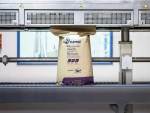
Milk powder prices are keeping farmgate prices up, helping processors offset the dip in milk fat prices.
Case IH has unveiled its redesigned next generation Puma Series tractors, said to offer improvements in connectivity, operator comfort, fuel efficiency and drivability.
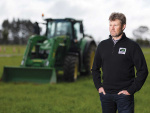
Cameron Reed lives between two worlds.
A milk glut around the world shows no sign of easing, putting downward pressure on farmgate milk prices for the next few months.



Fonterra Co-operative Group chief financial officer Andrew Murray has resigned to take up a role outside the dairy giant.
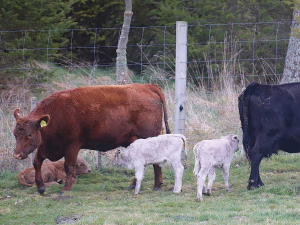
A major move is about to get underway to improve the quality and viability of dairy beef and cattle in NZ.
Veterinarians say changes to the code of welfare for dairy cattle provides a positive foundation for improved cattle welfare across the country.
Today, 15 October, is the International Day of Rural Women, which recognises rural women’s contribution to farming, communities and the environment.
Global dairy giant Lactalis has integrated its Australian operations with the Mainland Dairy consumer business it acquired from Fonterra earlier this year.
High country stations, mixed sheep and beef farms, Māori-owned farms, corporates and family operations are among the nine commercial farms taking part in the Livestock Innovation Farming Transformation programme, known as LIFT.



OPINION: The same mainstream media muppets that brought you Jacindamania in 2017 have been flat out pimping for the Opportunities…
OPINION: Your old mate reckons the atrocious way farmers in the UK are treated by their lords and masters in…




