Farm Safety Improves Through 'Incremental Gain', Says Birkett
Improving health and safety is about incremental gain rather than a sudden decision, says Leeston farmer and Federated Farmers health and safety spokesman David Birkett.




 increase font size

This month marks the launch of new health and safety laws making all of us doing a job more responsible for creating safe working environments.
The new law sees a shift from 'do I have a responsibility, to what is my responsibility? It recognises that everyone has a role to play in health and safety.
It is important all rural contractors are familiar with these changes, because the new law also brings in far more severe penalties, including jail, for those who don't comply.
For business owners and directors – such as rural contractors – managing the business's health and safety risk is now as important as managing financial and reputational risk and it needs the same attention.
Responsibility for health and safety is on anyone who has a significant say in the day-to-day running of an organisation, including employers and employees. The acronym used for these people is PCBU – a 'person conducting a business or undertaking'. To meet your obligations as a PCBU, you must take all practicable steps to provide and maintain a safe work environment.
This includes identifying risks and finding practical ways to manage hazards.
Currently, the rural contracting industry is working hard to encourage and attract good people. It is all very well having a top-of-the-line tractor, but it is not much use if there is nobody to drive it.
That's why RCNZ spends a good deal of its time and resources on ensuring we are involved with and working alongside others to improve and enhance the safety of our members and their staff. For example, the work RCNZ did – alongside others – with WorkSafe NZ to ensure the opinions of rural contractors were part of any new codes of practice developed for the new health and safety laws for work done on and around farms.
Under the HSE Act, employers and employees must take all practicable steps to provide and keep a safe work environment.
One way to ensure this is to keep an operating health and safety plan in place, not sitting on a shelf gathering dust. Such a plan doesn't have to be complex, it just needs to identify existing and potential hazards and put 'controls' in place to manage hazards.
Employers also need to train and/or supervise employees so they can do their job safely. Employees have a responsibility to keep themselves and their fellow workers safe. It is not a bad idea to get an experienced worker to supervise new or untrained employees. Training helps people share knowledge and develop skills. It can also help influence behaviour and improve health and safety.
The law also says employers must also take all practicable steps to ensure employees are safe at work. This extends to setting reasonable working hours and shift patterns to reduce risks of fatigue and impaired mental and physical work tolerance.
While the rural contracting environment can be challenging – long and irregular hours at certain times – employees still have a right to regular breaks and rests. Well-rested employees, contractors and others help make the work environment safe. It can also help you significantly reduce the personal, social and financial costs of accidents.
Employers must limit workers' shifts to a safe number of hours, ensure staff take regular rest breaks during shifts and, where appropriate, make food and suitable drinks available.
My message to rural contractors is, keep calm! If you were doing the right thing under the old act then the changes you need to make are probably minimal. For those who may have been neglecting their health and safety obligations then this is a great opportunity to start taking steps to ensure you and your staff go home safe at the end of every day.
RCNZ offers support and help to members looking for advice on employment law and/or health and safety matters: much of this information is on our members' area of the RCNZ website.
• Wellsford-based agricultural contractor Steve Levet is the president of the Rural Contractors New Zealand (RCNZ).
Improving health and safety is about incremental gain rather than a sudden decision, says Leeston farmer and Federated Farmers health and safety spokesman David Birkett.
While the Government has moved quickly to make commercial hauliers' lot easier during the current fuel crisis, they appear to be stuck in the creep box when it comes to the agricultural industry.
A safety push across New Zealand has revealed significant gaps in hazardous substances management, farm vehicles, tractors, quad bikes and side-by-sides.
Ensure your insurance is fully comprehensive and up to date because as a rural contractor you don’t know what’s around the corner.
Keeping healthy and safe during vintage 2026


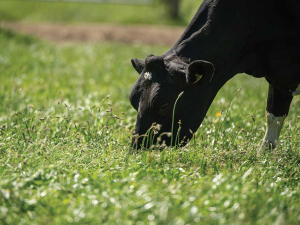
Farms across the upper North Island are trialling different pasture mixes as part of a research programme that aims to build greater resilience into farming systems.
Election years are always a concerning time for farmers, according to DairyNZ chair Tracy Brown.
The Ballance Farm Environment Awards are coming to the West Coast of the South Island.
Most dairy regions around the country have had a pretty good season so far says Tracy Brown.
Rural leader Mark Hooper has been appointed as an independent director to the NZPork board, bringing extensive farming, governance and advocacy experience to the role.



OPINION: The same mainstream media muppets that brought you Jacindamania in 2017 have been flat out pimping for the Opportunities…
OPINION: Your old mate reckons the atrocious way farmers in the UK are treated by their lords and masters in…