OPINION: NZ's biosecurity officials and services are rightly on high alert, following a recent outbreak of Foot and Mouth Disease (FMD) in previously FMD-free Indonesia.
Worryingly, viral FMD fragments were also recently discovered on pork imported into Australia from China.
Any outbreak of Foot and Mouth in NZ would decimate our all-important agricultural trade and create a major disaster for our farmers and the entire economy. The country can ill-afford the loss of the primary sector’s annual $52 billion in export earnings, the 11.1% of GDP it creates, as well as the hundreds of thousands of people it employs. It is estimated NZ’s wider economy would take a hit of around $15 billion should a FMD outbreak occur here.
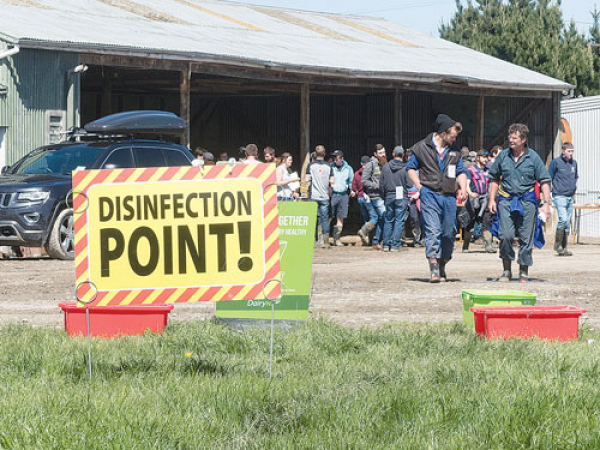
Thankfully both Government and officials appear to be on the ball. NZ’s biosecurity settings have been tightened and the farming sector is increasing its vigilance, with farmers being told to up their farms’ biosecurity measures.
As National’s agriculture spokesperson Barbara Kuriger says, “There can be no slip-ups in our actions to keep out Foot and Mouth Disease out of NZ. There are no second chances with FMD!”
It’s reassuring to see how MPI has stepped up the requirements for those returning from countries where Foot and Mouth is present and also heightening the action taken on people and goods coming into the country from Indonesia.
If we thought the country’s recent experience with Mycoplasma Bovis and the subsequent eradication programme was tough, it would pale in comparison to the devastating impact FMD would have. We need to be doing everything and anything to ensure that we keep this devastating disease from ever hitting our shores.
It begs the question as to why we are still allowing people in from Indonesia or NZers holidaying from Bali back into the country without more restrictions. We shut the borders during the Covid outbreak and perhaps we should be re-opening temporary MIQ to temporarily accommodate these high risk visitors and returning holidaymakers.
Wouldn’t a week’s stay in isolation for such high risk visitors and returnees be a sensible insurance policy that the country could implement until the risk is over and a reasonable precaution to protect our all-important primary sector?
As mentioned previously, we won’t get a second chance to stop FMD and taking extra precautions like this seems a prudent thing to do.