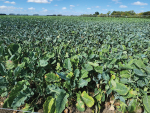
OPINION: Finally the Government has made a sensible move to temporarily pause the implementation of the impractical rules that accompany its proposed regulations on winter grazing.
Last week Environment Minister David Parker and Agriculture Minister Damien O'Connor announced a temporary delay, until 1 May 2022, of intensive winter grazing (IWG) rules taking effect.
For months farmers, industry groups and councils around the country have highlighted the unworkability of the rules and that numerous issues need to be addressed. Hopefully, this extra time will ensure that both politicians and bureaucrats will now listen to the real concerns of farmers and councils, and implement rules that will actually work to benefit the environment and farming.
It is unbelievable that despite empirical evidence about how the IWG rules, that were part of the Essential Freshwater legislation passed in August last year, had a number of unworkable parts, ministers and bureaucrats took so long to act. This 'we know best' attitude needs to change as it is a huge hindrance to making any real progress in improving the country's water.
Agriculture Minister Damien O'Connor has admitted that "over-reach" by Wellington officials and a desire by the Government to have the rules in place prior to last year's election is an indictment. It shows that it placed far more importance on electioneering and pandering to green-tinged urban voters, than ensuring practical, workable rules would be implemented that actually would improve environmental outcomes.
It has taken the outstanding work of the Southland Winter Grazing Advisory Group, made up of a number of farming and environmental groups to provide a comprehensive report to the ministers outlining a better way forward. Thankfully, the Government has finally listened.
The pause in the IWG rules allows for proper opportunity to ensure that the final regulations and provisions are practical and workable for farmers, councils and regulators to achieve the environmental outcomes everybody wants to see.