
DIRA Review: Open Country Dairy Warns Against Regulatory "Complacency"
The country's second largest milk processor is warning against 'complacency' during a review of competition regulations in the dairy sector.




 increase font size
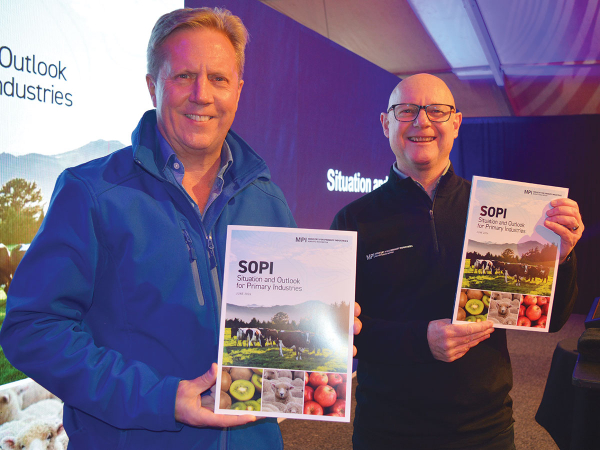 Agriculture Minister Todd McClay and MPI Director General, Ray Smith, at the SOPI report launch at Fieldays last week.
OPINION: The latest update from the Ministry for Primary Industries (MPI) on the state of NZ's primary sector paints a positive picturee about its performance over the past 12 months.
Our primary exports hit a new high of $64.3 billion, a risee of 6% - and that was on top of 13% increase in 2025. Not bad for a sector that has been challenged on the home front by a series of adverse weather events and rising costs.
Not to mention a multiplicity of global events ranging from wars to tariffs which have been imposed out of the blue by countries that should know better.
The MPI report also sends a message to those individuals and organisations in NZ who demonised the dairy industry. The fact is that this sector generated 45% of the total export revenue generated by the primary sector - well ahead of meat and wool 22% and horticulture 15%.
Aside from the dairy industry is the rise and rise of our kiwifruit as an export earner - this year bringing in $4.7 billion and well on its way to making this $5.3 billion in 2030.
The report highlights a resilient high performing food and fibre sector driving healthy demand and prices for NZ's world class products.
This is a strong result in a challenging global environment shaped by the Middle East conflict and trade policies in key markets that have disrupted supply chains and raised inflation and input prices.
There is no doubt that the primary sector collectively - from farm and orchard to plate have performed outstandingly. Great products, clever science, good marketing, better access to markets and strong political support to do better.
But there is a but in all of this. While NZ is doing everything in its power to do better, the world is now a complex maize of threats that make it increasingly challenging for us to maintain the momentum we have enjoyed - at least in the past year. The signing of more FTAs such as the recent one with India, developing new markets with affluent consumers that spread risk and reduce dependence on just a few big markets will be the order of the day.
So, while we can celebrate the success of 2026, we must be prepared and be agile and resilient to cope with what 2027 deals to us.
The country's second largest milk processor is warning against 'complacency' during a review of competition regulations in the dairy sector.

Blueberry growers are warning that fresh imports could pose a huge biosecurity risk for NZ’s horticulture sector.
New Zealanders are being urged to be alert following a confirmed positive case of H5 bird flu this week.
The Ministry for Primary Industries (MPI) has announced has opened applications for the 2026/27 funding round of the Greenhouse Gas Inventory Research (GHGIR) fund.
AMINZ and the Ministry for Primary Industries (MPI) have partnered to develop a new Farm Debt Mediation video series aimed at farmers, creditors, and advisors.


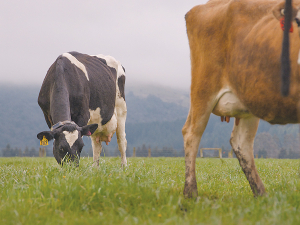
Halter has announced the six winners of its 2026 One Year Free competition, marking the biggest year yet for the annual award and the first time the company has expanded the field beyond its usual line-up.

For 50 years, Tasman's Mel Ewers has been helping the apple sector navigate through compliance issues and training.
The New Zealand ploughing team to the world championship in Croatia next month will be banking on borrowed equipment as they seek glory.
Just a matter of hours after Indian Prime Minister Narendra Modi's historic trip to New Zealand, the political doors in India swung wide open for Associate Minister of Agriculture, Mark Patterson, who was there to help promote our high-quality coarse wool.
A new company set up to cultivate and supply seaweed for animal methane mitigation studies believes it could be a game changer for the dairy industry.
There's strong support from the horticulture sector for the Government's plans to overhaul and streamline the Recognised Seasonal Employer (RSE) scheme.




OPINION: Proponents of regenerative agriculture tend to be naturally aligned with a 'green mindset', so they will be nonplussed with…
OPINION: Mike Chapman, former chief executive of levy-funded HortNZ, has thrown out a challenge to farmers and growers to put…