McRae Wins Southern South Island B+LNZ Director Vote
Matt McRae, a farmer from Mokoreta in Southland who runs a sheep, beef and dairy support business alongside a sheep stud, has been elected to the Beef +Lamb NZ Board as a farmer director.




 increase font size
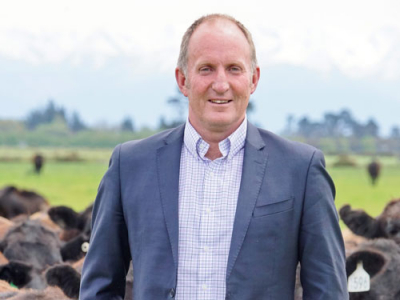 Andrew Morrison.
OPINION: The Parliamentary Commissioner for the Environment’s (PCE) recent comprehensive report: “Farms, Forests and Fossil Fuels” shows the clear way forward for New Zealand on climate change.
It sets out the science and the steps we must take based on that science to tackle climate change.
B+LNZ – and the whole livestock sector – are committed to reducing biogenic greenhouse gas emissions in line with their warming impact. The PCE’s previous report identified a 10-22% range for methane reduction in order for the sector to achieve the equivalent of net carbon zero. The sheep and beef sector have committed to moving towards carbon neutral at the farm gate by 2050.
The PCE’s latest report identifies the important difference between biogenic and fossil-fuel sourced greenhouse gases (GHGs). Both must be reduced, but fossil-fuel sourced GHGs have a permanent warming effect. We need early, deep and permanent cuts in fossil-fuel sourced gases.
Farmers are committed to owning their own issues and tackling their own impact on the climate. The sheep sector has already shown the way, by reducing emissions intensity and absolute emissions by more 30% since 1990, while maintaining production. Other parts of the livestock sector are also committed to playing their part.
The PCE’s report recommends changes to the NZ Emissions Trading Scheme (ETS), so that fossil-fuel GHGs can no longer be offset by planting trees; but recommends that biogenic GHGs should be able to be offset. This is because there is match between the temporary (but still significant) warming of biogenic emissions and the timescales of native and plantation forestry sequestration.
The Commissioner has recommended a science-based approach – which fits with the principle of each sector being responsible for its own emissions and for tackling them. Different sectors should not be able to off-load the impact of their emissions onto other sectors.
It is essential that policy drives the right kinds of behaviours for fossil-fuel and biogenic greenhouse gases; to do this policy must reflect the differences between those gases and how they can be effectively mitigated.
It is now essential that Ministers considering the shape of the Zero Carbon Bill, and members of the Interim Climate Change Committee and the future Climate Change Commission, take the Parliamentary Commissioner’s findings into account when setting policy.
• Andrew Morrison is chairman of Beef + Lamb New Zealand (B+LNZ)
Matt McRae, a farmer from Mokoreta in Southland who runs a sheep, beef and dairy support business alongside a sheep stud, has been elected to the Beef +Lamb NZ Board as a farmer director.
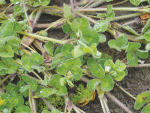
Recent widespread autumn rain will have triggered the germination of subterranean clover seeds, and the resulting seedlings should be allowed to reach the 3–4 trifoliate leaf stage before grazing, says Beef+Lamb NZ.
A hub farm in each of Beef + Lamb NZ’s seven regions and more focus groups are being rolled out for the red meat sector this year.
The red meat sector is poised for a strong rebound this season, with export receipts forecast to top $10 billion and farm profitability to almost double.
Progeny testing at Pāmu’s Kepler farm in Southland as part of Beef + Lamb New Zealand’s Informing New Zealand Beef programme is showing that the benefits of hybrid vigour could have a massive impact on the future of beef breeding.
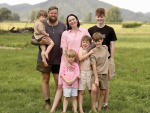
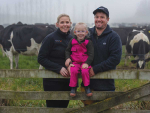
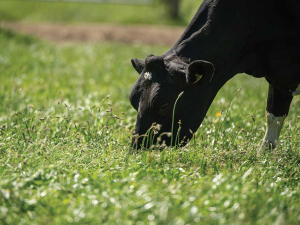
Farms across the upper North Island are trialling different pasture mixes as part of a research programme that aims to build greater resilience into farming systems.
Election years are always a concerning time for farmers, according to DairyNZ chair Tracy Brown.
The Ballance Farm Environment Awards are coming to the West Coast of the South Island.
Most dairy regions around the country have had a pretty good season so far says Tracy Brown.
Rural leader Mark Hooper has been appointed as an independent director to the NZPork board, bringing extensive farming, governance and advocacy experience to the role.


OPINION: The same mainstream media muppets that brought you Jacindamania in 2017 have been flat out pimping for the Opportunities…
OPINION: Your old mate reckons the atrocious way farmers in the UK are treated by their lords and masters in…