Fonterra FY26 Results: $9.69 Milk Price, $3.4bn Profit
Fonterra has unveiled its annual results for the 2026 financial year, posting $27 billion in revenue and close to $20 billion returned to New Zealand farmer owners and unit holders.




 increase font size
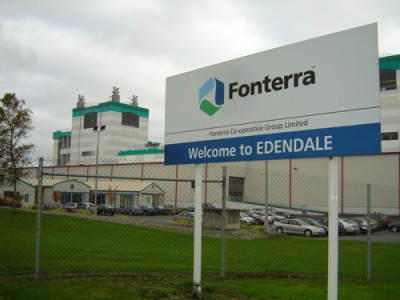
The news that Fonterra is to hire international consulting firm McKinsey & Co to see what needs to be changed in the organisation is breathtaking.
It seems a lot of people in the co-op are earning a million or more dollars a year, so what don’t such people know and why can’t they fix it themselves? Many were presumably responsible for the co-op’s present structure, so what’s wrong?
McKinsey will for a small fee (yeah, right) propose some sort of change to the structure. But we hope they look beyond structure and truly analyse the culture of Fonterra, which is the greatest source of complaints from many of the people who deal with the dairy giant.
The word arrogance is frequently used to describe the way Fonterra behaves to external stakeholders and farmers. ‘Fortress Fonterra’ is another expression. The co-op’s communication style gets people’s backs up. They seem to assume a God-like position, which does not fit well with the salt-of-the-earth farmers they supposedly represent.
Understandably, some Fonterra suppliers are looking sideways towards other companies to which they could sell their milk. Fonterra’s hold on the milk supply is slipping as companies such as Miraka and others show what can be done. They also offer a closer relationship – a whanau approach – which is very appealing to many.
In its latest Agribusiness Agenda, KPMG suggests that in 10 years Fonterra may control only 70% of the New Zealand milk supply – down from 85% today.
This is not to say Fonterra is bad; in fact it is a great company and NZ Inc. needs a strong Fonterra. But it seems to many that the body corporate has become disconnected from its shareholders. The great work of Fonterra is being undone by poor communications, which is an easy fix. PR spin and new buzzwords such as ‘velocity’ will change nothing and impress no one.
The solution is frequent, timely, honest, simple, straight talk. Surely that’s not too much to ask.
Fonterra has unveiled its annual results for the 2026 financial year, posting $27 billion in revenue and close to $20 billion returned to New Zealand farmer owners and unit holders.
Fonterra Co-operative Group has confirmed the independently assessed candidates standing for election to its board in 2026.
Fonterra has revised its Farmgate Milk Price forecast for the 2026/27 season, lifting the midpoint and narrowing the range on the back of improving global dairy commodity prices.
Outgoing Fonterra Co-operative Council chair John Stevenson says that it has been a privilege to represent the co-op's farmer shareholders.


Federated Farmers says it welcomes Labour's commitment to reviewing the Sharemilking Agreements Act, calling on other major parties to do the same.
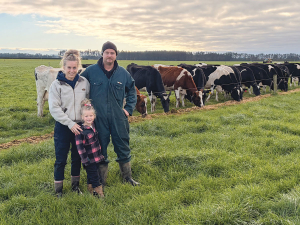
For Canterbury dairy farmers Sian Meijer and Rick Wobben, wearable technology has become one of their most valuable on-farm tools - helping manage 1850 cows across an expansive, high-performing dairy operation while improving efficiency, mating outcomes and day-to-day decision making.
Fonterra has unveiled its annual results for the 2026 financial year, posting $27 billion in revenue and close to $20 billion returned to New Zealand farmer owners and unit holders.
The first major update to the Dairy Cattle Code of Welfare in more than a decade has been released, marking what DairyNZ describes as an important step in ensuring animal welfare standards continue to evolve alongside scientific evidence and on-farm realities.
Ravensdown shareholders have elected Jane Montgomery and Kate Acland to the Ravensdown Board for three-year terms, following a closely contested director election.
Federated Farmers says new legislation replacing the Resource Management Act will cut red tape, unlock investment and help grow New Zealand's export-led economy, after the Planning Bill and Natural Environment Bill passed their third reading in Parliament yesterday.




OPINION: The same mainstream media muppets that brought you Jacindamania in 2017 have been flat out pimping for the Opportunities…
OPINION: Your old mate reckons the atrocious way farmers in the UK are treated by their lords and masters in…