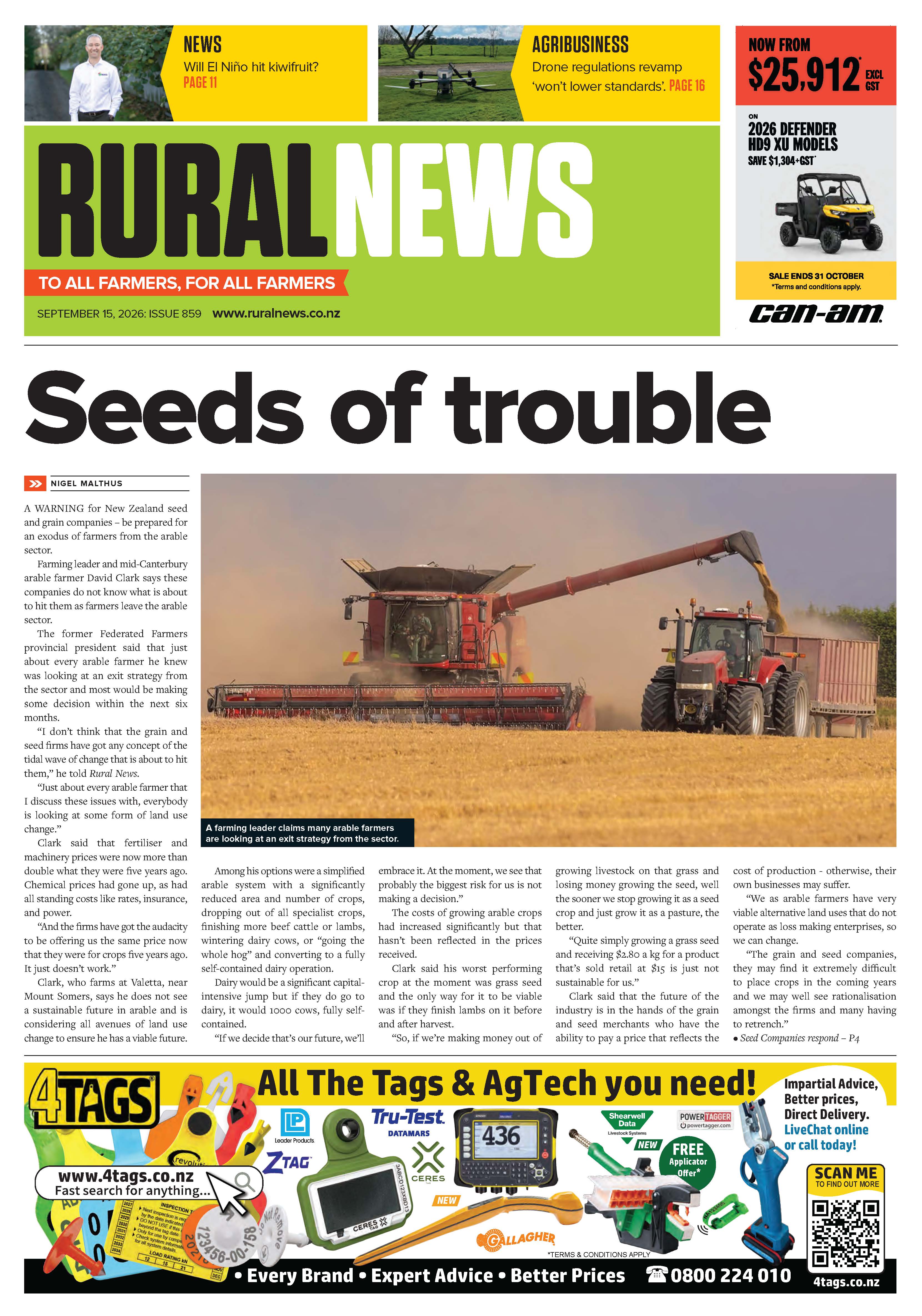
Beef + Lamb NZ's Lambing Kit Checklist for a Tough Season
With lambing underway in many regions, Beef + Lamb New Zealand is encouraging farmers to put together a wellequipped lambing kit to help minimise lamb losses, particularly in bad weather.



 increase font size
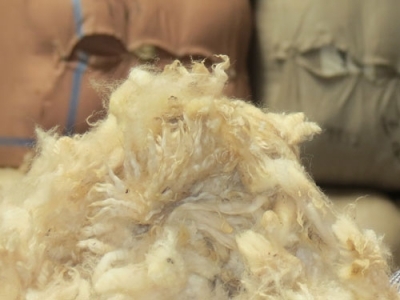 The high volume of short second shears eased slightly at the latest NZ Wool Services International's auction.
The high volume of short second shears eased slightly at the latest NZ Wool Services International's auction compared to the last North Island auction on May 12, says chief executive John Dawson.
Apart from that there were minimal changes.Of the 8,600 bales on offer 88% sold. Currency had minimal impact with the weighted indicator for the main trading currencies down only 0.47% week on week.
Dawson says the listed volumes of fine crossbred longer shears were 1 to 2% dearer with the shorter types firm to 2% easier.
Coarse crossbred fleece were firm to 2.5% dearer. Longer coarse shears were firm to 2% firmer with the high volumes of short shears on offer 1 to 2% easier.
Fine first lambs were firm to 3% dearer with coarse lambs 3 to 4% cheaper. Oddments were firm to 5% easier.
There are now quite disparate price levels between the limited type selection and styles in the North Island and the more varied offering from the South Island making direct comparisons difficult.
There was good competition with Australasia, Western Europe and United Kingdom principal, supported by Middle East, India and China.
The next sale on June 2 comprises about 6,500 bales from the South Island.
With lambing underway in many regions, Beef + Lamb New Zealand is encouraging farmers to put together a wellequipped lambing kit to help minimise lamb losses, particularly in bad weather.

New Zealand wool is reaching new heights as air filtration companies move away from synthetic products to biodegradable alternatives.
Will a stronger, more coordinated voice help rebuild confidence and improve returns in the wool sector?
OPINION: Confidence in the wool sector is rebounding as prices hit levels not seen in more than 15 years.
The recently signed free trade agreement with India is an invitation to strengthen relationships between the New Zealand and Indian strong wool industries, says Wool Impact chief executive Andy Caughey.


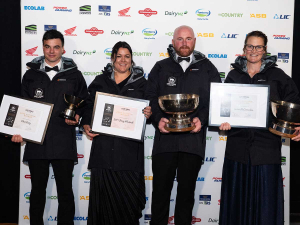
Entries opened on Monday, 5 October 2026 for the 2027 New Zealand Dairy Industry Awards (NZDIA), which organisers describe as the nation's biggest celebration of excellence in the dairy sector.
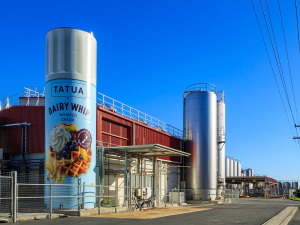
Waikato milk processor Tatua has again declared a record milk payout to farmer shareholders, leaving other processors in the dust.
A Labour-led Government won’t be bringing back the controversial freshwater rules of 2020.
National’s much-touted free trade deal with India featured in the Rural Issues Debate at Mystery Creek, Hamilton on Wednesday night.
New Zealand's 2026-27 freshwater fishing season has opened, with anglers encouraged to head to rivers and lakes over the coming days as conditions look favourable across much of the country.
Central Otago District Council (CODC) has voted against a plan to spread treated sewage sludge from Cromwell and Alexandra on farmland near Lauder, a decision Federated Farmers says reflects strong opposition from rural residents.

OPINION: The same mainstream media muppets that brought you Jacindamania in 2017 have been flat out pimping for the Opportunities…
OPINION: Your old mate reckons the atrocious way farmers in the UK are treated by their lords and masters in…