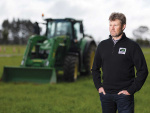
Rural Mobile Coverage Worse After 3G Shutdown, Survey Finds
Mobile phone coverage and reliability are deteriorating in rural areas, and farming families are bearing the cost, according to a Federated Farmers survey.




 increase font size
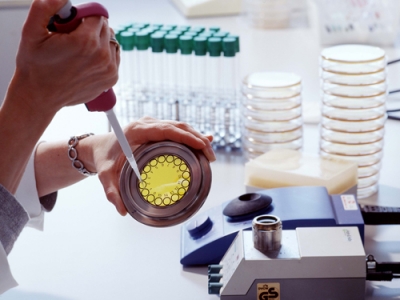
The Riddet Institute and the Bio-Protection Research Centre are to receive government funding after their applications to the CoREs (Centre of Research Excellence) were accepted for the second time.
Federated Farmers says it is pleased to see the two institutes receive the funding, as they are crucial to New Zealand's primary industries.
The Riddet Institute (Massey University) researches food science, while the Bio-Protection Research Centre (Lincoln University) looks at plant biosecurity.
Federated Farmers president, Dr William Rolleston says both organisations have made significant advances for New Zealand's economy, society and the environment thanks to previous Government funding.
"I am thrilled that these highly innovative research centres have made it through the selection process and will now be able to continue their crucial work in sustainable pest management solutions and food science and human health," he says.
"The CoREs facilitates crucial collaboration through national networks of researchers and scientists, not to mention being a part of the extremely valuable brand that CoREs is."
The two institutes have been leading the way in food science and biosecurity and sustainability for almost a decade and are fundamental to the success and advancement of New Zealand's primary industries and economy, says Rolleston.
"If New Zealand is to have a world-class economy we need world class investments in science and innovation to ensure our country remains globally competitive. More so we need to make sure that investment is strategic and is maintained if we are to see its true value."
Rolleston believes that the formation of CoREs has gone a long way to increasing collaboration between research institutes and addressing the strategic needs for the primary industries.
"I welcome the outcome and congratulate both institutes on their success. The industry looks forward to the scientific and innovative advances I am sure they will make," says Rolleston.
Mobile phone coverage and reliability are deteriorating in rural areas, and farming families are bearing the cost, according to a Federated Farmers survey.
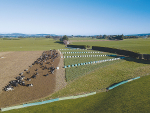
Central Otago District Council (CODC) has voted against a plan to spread treated sewage sludge from Cromwell and Alexandra on farmland near Lauder, a decision Federated Farmers says reflects strong opposition from rural residents.
Federated Farmers has called on Central Otago District Council (CODC) to drop or vote down a plan to truck sludge from Alexandra and Cromwell to farmland near Lauder, warning it would compound an "outrageous" situation created by a separate council's decision weeks earlier.
Federated Farmers says new legislation replacing the Resource Management Act will cut red tape, unlock investment and help grow New Zealand's export-led economy, after the Planning Bill and Natural Environment Bill passed their third reading in Parliament yesterday.
Leading figures from the major political parties will be questioned on their primary sector policies at the Rural Issues Debate at Mystery Creek Events Centre, Hamilton, on 30 September.


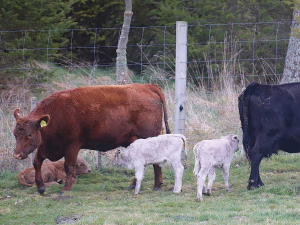
A major move is about to get underway to improve the quality and viability of dairy beef and cattle in NZ.
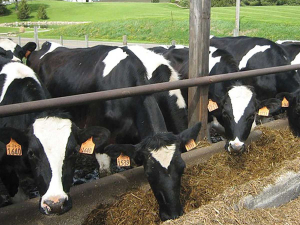
Veterinarians say changes to the code of welfare for dairy cattle provides a positive foundation for improved cattle welfare across the country.
Today, 15 October, is the International Day of Rural Women, which recognises rural women’s contribution to farming, communities and the environment.
Global dairy giant Lactalis has integrated its Australian operations with the Mainland Dairy consumer business it acquired from Fonterra earlier this year.
After almost two decades of sharemilking, saving and building equity, Aaron and Marcia Flay this year realised their long-held dream of settling on their first dairy farm.
Good medium to long term prospects for NZ beef, especially in the US, has heighted the focus on various initiatives to capitalise on this situation.

OPINION: It seems Canterbury processor Synlait is still in the doldrums.
OPINION: Get offside with New Zealand First leader Winston Peters at your own peril.




