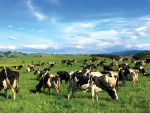
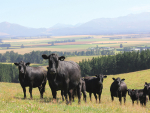
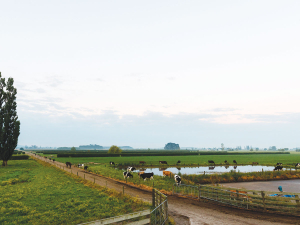
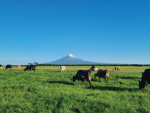
As scorching summer temperatures persist, what dairy farmers feed their cows can help beat the heat and protect milk production.
Last year was already one of New Zealand’s hottest years on record. NIWA’s latest outlook says the El Niño weather pattern, which has brought temperatures in their high thirties and marine heat waves across New Zealand, will continue until at least March.
SealesWinslow nutrition and quality manager Paul Drew says dairy farmers traditionally deal with a decline in pasture quality during the summer and understand the importance of keeping their herds cool, both for animal health and milk production. However, this season is proving extra tough with temperatures 1-2 degrees higher than usual.
“New Zealand dairy farmers are pretty used to the summer dry and managing heat stress in their herds, but this El Niño weather pattern is proving an added challenge,” says Paul.
“Most farmers take steps to minimise the effects of the heat by milking later in the afternoon, giving cows good access to water and shade, limiting the distance they walk to the dairy shed and using sprinklers in their yards. But getting cows’ nutrition right can also help.”
Pasture takes a natural decline in summer and its fibre levels increase meaning cows have to chew it more and they eat less. Weight gain and production can take a hit. Paul says there are some simple cost-effective things farmers can do to help their herds beat the heat and maintain production.
Putting cows on faster grazing rounds, topping paddocks, and using fertiliser can address the effects of pasture change. Highenergy supplements and molasses can also help compensate for reduced dry matter intake during periods of hot weather.
“Levucell, a live yeast that improves the rumen environment of cows, can also alleviate heat stress, improving feed use and maintaining milk production,” says Paul.
Cows use two strategies to offset the effect of heat, explains Paul. They increase the amount of panting and drooling, which helps to disperse heat from their bodies, and they reduce activities that generate heat, notably feeding and rumination.
“Along with the usual heat management strategies, providing cows with energy-dense feed that is easily digestible, a rumen modifier to fire up the rumen, and offering free access to salt will all help maintain a herd’s feed intake, keeping them cooler and keeping milk in the vat,” says Paul.
Predicting your herd’s response to feed to help you make the best choice can be tough.
SealesWinslow has recently launched a free decision-making tool called Ruminix³. It helps calculate the return on investment for different feed combinations, based on a farm’s unique system, so farmers can choose the best feed options for their budget and their herds.
Using the tool, SealesWinslow says it has demonstrated farmers could generate up to 30% more income simply by using the right supplementary feed.
As the hot weather continues to bite, Paul says farmers need all the help they can get to make the right decisions.
“Hot and humid weather can make life uncomfortable for dairy cows but managing their diet efficiently can certainly minimise any health issues and keep milk in the vat for longer,” says Paul.