Early Weaning Lambs: What the Massey Trials Found
Farmers with high-quality feed available in late spring could consider weaning at least a proportion of their lamb crop early to benefit both lambs and ewes.




 increase font size
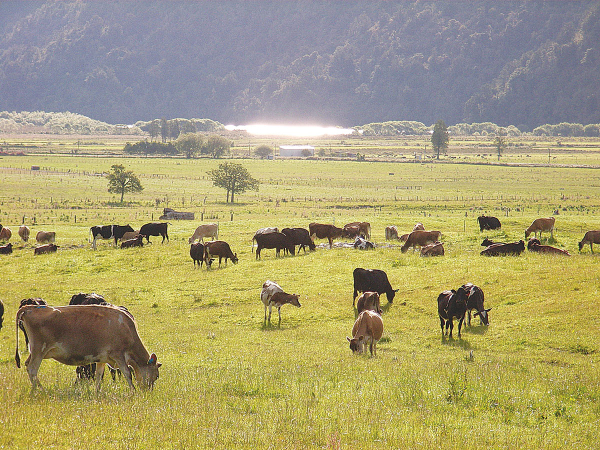 Dairy farmers will be paying an extra $1/head for Tb slaughter levy.
Dairy farmers will be paying a higher TB differential slaughter levy from next month despite concerns raised by DairyNZ.
The new differential slaughter levy rates are: $11.50/head for dairy animals, up from $10.50/ head and $4.75/head for beef animals, changing from $5.50/head.
There will be no changes to the deer industry levy.
The levy is collected to support funding of the TBfree programme on behalf of beef and dairy industries. The funding shares change annually based on shifts in each industry’s relative size and value.
Ospri says each year the levy rates are reviewed under the TBfree Funders Agreement to ensure that the overall funding of the TBfree programme aligns with the agreed funding levels. Levies are adjusted to reflect the latest industry farm gate values and slaughter volumes for both dairy and beef stock.
It says while fully supportive of the TB Programme, DairyNZ expressed concerns the timing adds further pressure to farm businesses currently challenged by the reduced milk price.
In making its decision, the Ospri board acknowledged that all farmers are under financial pressure, but if the differential slaughter rates are not recalibrated now for the dairy levy, there would likely be a need to increase this rate by greater increments in the future.
“Any adjustments to the differential slaughter levy are communicated to DairyNZ, Beef + Lamb New Zealand, and Deer Industry New Zealand as the industry levy bodies in the TBfree Funders’ Agreement and are made in line with the annual funding level specified,” it says.
“Adjustments in differential levy rates do not provide an overall increase in the annual funding of the TBfree programme — but do ensure consistent funding to enable the programme to deliver.”
Levy Explained
A new TB slaughter levy has been in place since July 2016. From 1 October 2023, the new differential slaughter levy for dairy cattle will be $11.50 per head. The beef cattle levy remains at $4.75.
The TB differential slaughter levy is collected to support funding of the TBfree programme on behalf of beef and dairy industries, and the funding shares change annually based on shifts in the relative size and value of each industry.
How do I make sure I pay the correct rate?
The levy is managed by assigning the correct animal production types in the NAIT system. Account holders can assign their required production type, dairy or beef, which determines what levy is charged at the time of slaughter.
When farmers are tagging and registering their animals, they select the correct production type for their livestock in the NAIT system.
When purchasing animals, farmers need to make sure animal production types are correct after the movement onto their property is confirmed.
If an animal’s production type is dairy when it is sent to slaughter, the farmer will be charged the dairy levy for that animal.
If the production type of the animal is changed from dairy to beef – and stayed on a beef farm for more than 62 days – the farmer will be charged the beef levy. When buying animals on a regular basis, a livestock agent or information provider might help with updating the production types of animals.
For untagged animals, meat processors use the primary farm level (NAIT number) production type to determine what levy rate should be charged.
Key Tips
Farmers with high-quality feed available in late spring could consider weaning at least a proportion of their lamb crop early to benefit both lambs and ewes.
Today, 15 October, is the International Day of Rural Women, which recognises rural women’s contribution to farming, communities and the environment.
The first major update to the Dairy Cattle Code of Welfare in more than a decade has been released, marking what DairyNZ describes as an important step in ensuring animal welfare standards continue to evolve alongside scientific evidence and on-farm realities.
Have a plan in place for your cows and staff.
Bovine Viral Diarrhoea (BVD) is sometimes viewed as a dairy industry issue, but the reality is that the disease can have serious consequences for beef breeding herds as well.



Federated Farmers has welcomed new rural policies released by ACT, saying they align closely with its own election priorities.

Rural Contractors NZ says proposed changes to land transport rules for agricultural vehicles are a welcome response by the Government to out of date regulations which have seen members hit with huge fines.
Alliance is calling for final applications for its 2027 Graduate Programme, with applications closing on Sunday 25 October.
Decades piloting planes has ensured vet and farmer David Hayes is focused on safety. So, after a serious accident while welding on farm, he is sharing his experience so others can learn from it.
Canterbury milk processor, Synlait Milk has confirmed Leon Fung as its chief executive officer.
OPINION: Making it easier to collect rainwater and use it to grow crops and livestock is a no brainer.


OPINION: It seems Canterbury processor Synlait is still in the doldrums.
OPINION: Get offside with New Zealand First leader Winston Peters at your own peril.




