International Day of Rural Women: Two DairyNZ Farmers’ Stories
Today, 15 October, is the International Day of Rural Women, which recognises rural women’s contribution to farming, communities and the environment.




 increase font size
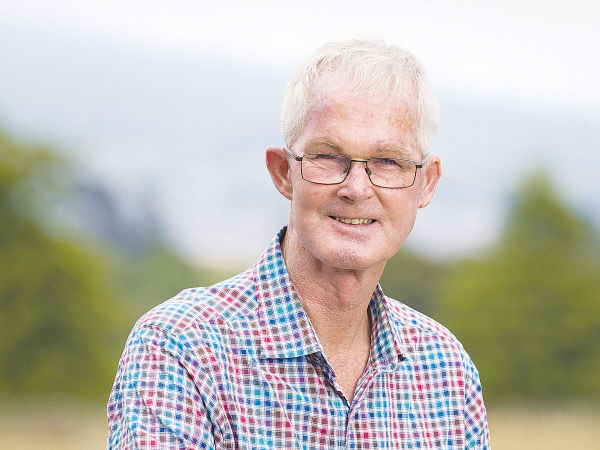 DairyNZ chair Jim van der Poel says farmers want to be recognised for their own emissions, not just an industry average.
DairyNZ chairman Jim van der Poel says the He Waka Eke Noa HWEN) climate proposal is a win-win for all New Zealanders.
Speaking to Dairy News at the launch of the HWEN proposal last week, he noted that while it was not easy to reach a solution, the actual outcome is fit for purpose.
He says, during the HWEN consultation programme, 99% of farmers opposed agriculture being included in the ETS and 86% supported the farm-level proposal.
"This is because farmers want to be recognised for their own emissions, not just an industry average, and if they have some behavioural change or if they do something on farm to lessen their emissions, they want to be recognised for that," he says.
Van der Poel says under the HWEN proposal there is an opportunity for levy funds to be recycled back to fund new research and tools to fund new research and tools to further help farmers reduce their emissions. He says the consultation process, although run at a difficult time during the pandemic, still saw 2,600 farmers engage by attending workshops or tuning into webinars. He says that feedback helped shape DairyNZ's position.
"Unlike the ETS, the HWEN system will actually reduce emissions, and will recognise and incentivise on-farm actions. It will invest in R&D to find new solutions, building on the already significant primary sector investment - including by dairy farmers - via DairyNZ," he says.
He says the proposal is expected to reduce methane emissions by between 4 to 5.5%. He says alongside other actions underway to reduce emissions, HWEN would help achieve methane emission reductions of 10%, in line with the legislated reduction target.
"Crucially, the He Waka Eke Noa system would enable farmers to continue running successful businesses, which means we continue contributing to our families, the economy and local communities," he says.
Van der Poel says DairyNZ fought really hard for an opportunity to develop a better solution after the Government passed legislation to say it would put agriculture into the ETS. He says there is an proposal, given that they have gone into this process in good faith. He says they will work with government to get their support.
As for the critics, Van der Poel had this to say: "There are always parties who are going to play politics around this - that is to be expected.
"But now our objective is to put something in place that works for farming, helps NZ meet its commitment to the Paris Accord and is enduring so that it sits out of the three-year political cycle."
Today, 15 October, is the International Day of Rural Women, which recognises rural women’s contribution to farming, communities and the environment.
The first major update to the Dairy Cattle Code of Welfare in more than a decade has been released, marking what DairyNZ describes as an important step in ensuring animal welfare standards continue to evolve alongside scientific evidence and on-farm realities.
Have a plan in place for your cows and staff.
DairyNZ deputy chair Cameron Henderson has been re-appointed unopposed for another term.
OPINION: The stats speak for themselves.


National’s pledge to introduce 19 new national standards shows the party is serious about getting Wellington out of farming, Federated Farmers says.
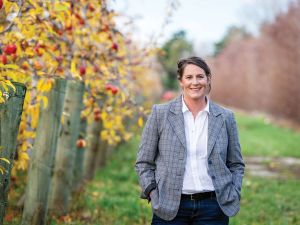
The National Party’s policies to make it easier to grow fresh vegetables, secure reliable water and energy and simplify farm planning are practical changes that will give growers the confidence to invest, according to Horticulture New Zealand (HortNZ).
Fonterra Co-operative Group chief financial officer Andrew Murray has resigned to take up a role outside the dairy giant.
A major move is about to get underway to improve the quality and viability of dairy beef and cattle in NZ.
Veterinarians say changes to the code of welfare for dairy cattle provides a positive foundation for improved cattle welfare across the country.
Today, 15 October, is the International Day of Rural Women, which recognises rural women’s contribution to farming, communities and the environment.




OPINION: It seems Canterbury processor Synlait is still in the doldrums.
OPINION: Get offside with New Zealand First leader Winston Peters at your own peril.




