
Kiwifruit Growers Prepare for El Niño, Stay Optimistic
Kiwifruit growers are watchful but remain optimistic as concerns around the potential effects of the El Niño weather pattern this season.




 increase font size
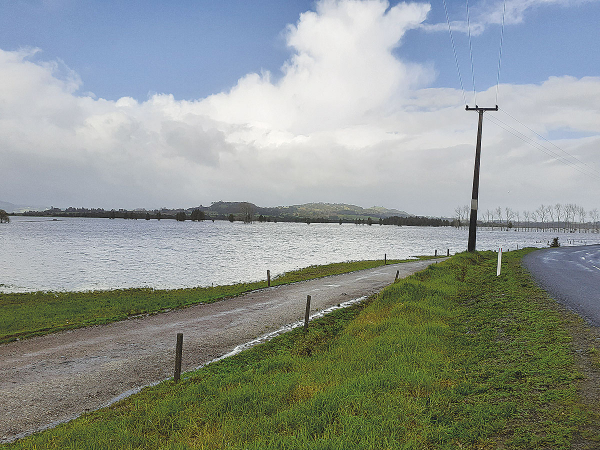 On some Northland farms the water drained away quickly, but on others it has lingered.
Feed issues are the big focus for dairy farmers in Northland as the region tries to recover from the double whammy of a severe drought and, latterly, major flooding.
DairyNZ’s lead consulting officer in the region, Tareen Ellis, says many farmers had feed issues with the drought and this has been exacerbated by the floods.
She says following the drought, some farmers were starting to see the grass growing again, but they have suffered a major setback with pastures being flooded.
“On some farms the water drained away quickly, but on others it has lingered and these people now face the prospect of having to re-grass parts of their farms,” Ellis told Dairy News.
Ellis says DairyNZ along with Beef+Lamb NZ, Fonterra and rural professionals have joined forces to help farmers.
A regional advisory group (RAG) has been set up and feed coordinators appointed to ensure that farmers who need feed get it. The RAG group, which comes under the Northland Regional Council and also involves MPI, can provide grants to farmers to transport feed to their farms. This is similar to what has happened with the drought in Hawkes Bay.
Ellis says before farmers can apply to get a subsidy they need to have a feed budget and says her team is helping farmers prepare a feed budget if they don’t already have one.
She says the overall situation in Northland is very complex and that it is impossible to generalise on how the region is coping. She says it varies from district to district and in some cases from farm to farm within a district.
She says a farmer’s situation may also be determined by which farming system they are operating under.
“For example some farmers may have coped reasonably well with the drought, but the floods have affected them badly. Others have planned for the drought but the reality is that in some cases this hasn’t worked out.
“Some farmers have told me that the latest floods were not as bad as the ones in 2014. So the reality is that it is a very mixed bag,” she says.
Ellis says DairyNZ and other groups are taking a special interest in farmer welfare and says they are very conscious of the stress that people have been under.
“All told it’s been a long eighteen months up here for farmers,” she says.
Kiwifruit growers are watchful but remain optimistic as concerns around the potential effects of the El Niño weather pattern this season.
Farms across the upper North Island are trialling different pasture mixes as part of a research programme that aims to build greater resilience into farming systems.
With forecasters advising El Niño conditions will develop through winter and strengthen into spring and summer, Ballance Agri-Nutrients is encouraging farmers and growers to think ahead about nutrient planning and be prepared to work around challenging weather conditions.
OPINION: Since when did one and one make three? Who didn't smell an elephant-sized rat when our leaders decided to give $60 million to save the cement factory in Northland?
New Zealand needs to make sure that it continues to focus on its own food security, according to HortNZ board member and blueberry grower Dermott Malley.


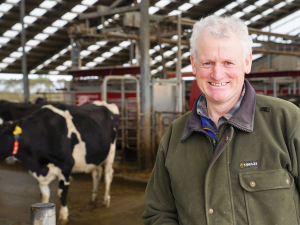
In Dacre, near Invercargill in New Zealand’s South Island, Bruce Dinnington is running a dairy operation unlike any other.

A free online platform aggregating governance vacancies across rural and regional New Zealand has been launched.
Environment Minister Nicola Grigg has announced details of a new rural plastics recycling scheme.
Agricultural drone operators say that a government decision to allow lower-risk drone work without certification won’t lower standards but drive innovation and efficiency.
OPINION: Warning bells are ringing in the arable sector.
Farmgate lamb prices are down by 8%, beef cattle by 4.5% and farm expenditure up by 4.2%.


OPINION: It seems Canterbury processor Synlait is still in the doldrums.
OPINION: Get offside with New Zealand First leader Winston Peters at your own peril.




