AgFirst Warns Dairy Farmers Not to Expect Repeat Season
A warning to dairy farmers not to expect the same good conditions that they experienced last season, has been issued by a leading farm consultant.




 increase font size
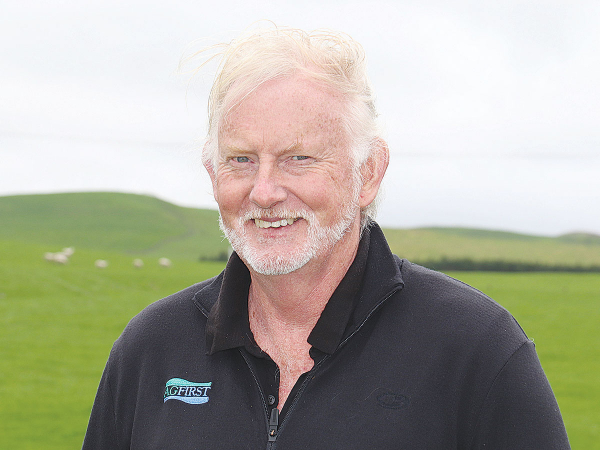 North Island AgFirst consultant Peter Livingston says the exceptionally wet winter is starting to have an effect on milk production.
We need sun urgently, according to central North Island AgFirst consultant Peter Livingston who says the exceptionally wet winter - especially around Rotorua which has seen 1,100mm of rain in the last three months - is starting to have an effect on milk production.
He says the rain has certainly put some pressure on dairy farmers right now as the get into their second rotations of calving. He says they are starting to go into feed that is a bit less mature than they would like, so productivity per cow is struggling to get that bit of momentum we usually see heading into early September.
"We just need some sun because the nutritive value of the grass is pretty poor and low in fibre," Livingston told Dairy News.
"The winter supplement is starting to run out, so there is even less fibre and we are going to start to rely on an all-grass diet, probably from the first week in September onwards. If we don't get some sun in the next few days, we are likely to go into September in a less than ideal situation," he says.
Livingston says milk production is not rising at the rate everyone would like it to. He says in the last couple of seasons, the region has had reasonable August and Septembers and cows were able to peak early. But Livingston believes this year it's going to take a lot longer to get to that peak.
Overall he sas cow condition hasn't been too bad because it's been quite warm through winter and the Rotorua area didn't get hit by the drought as badly as Waikato.
This resulted in farmers going into winter with a bit more supplement than those in the Waikato and Livingstone says this supplement has lasted quite well, until now.
He warns that cow condition will drop off as the supplement gets used up.
In terms of calving, things have again gone well, athough Livingston says mating last spring got off to a slow start and six week in-calf rates, according to local vets, were down by between four and five percent. But he ays the real issue for farmers is a tight feed supply.
 |
|---|
|
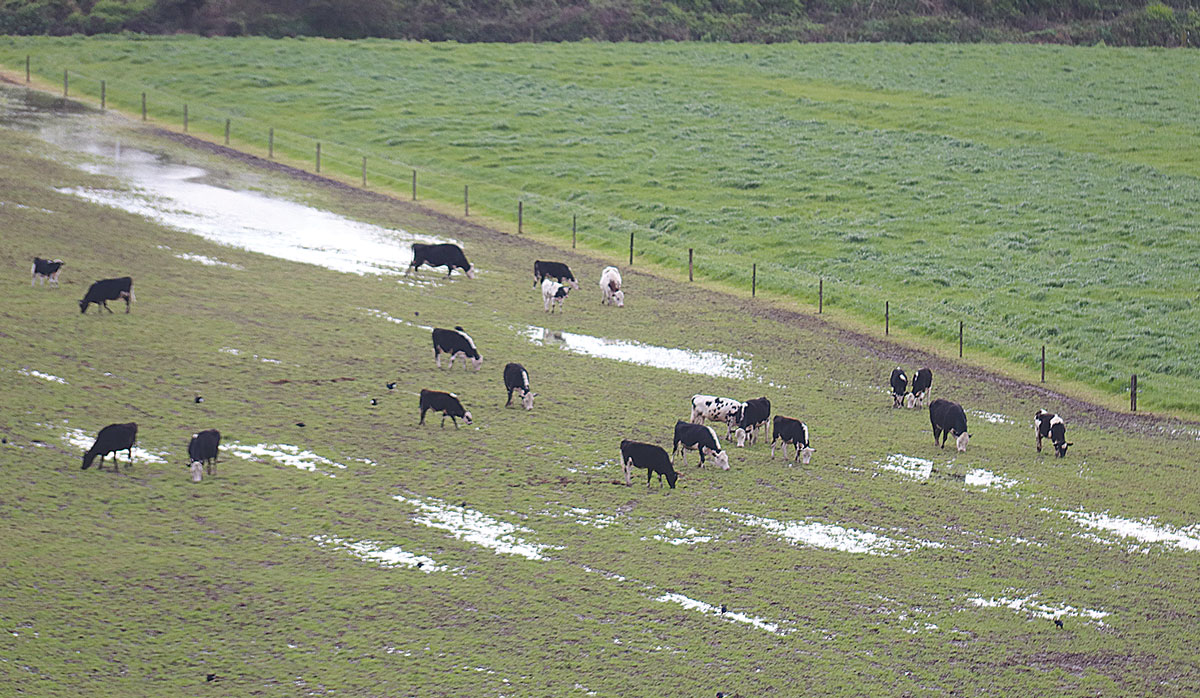
The grass situation around the central North Island is no different to other parts of the country. |
Livingston says the grass situation around the central North Island is no different to other parts of the country.
"I go to Taranaki quite a bit and they have got grass blowing in the breeze down there, compared with us here, but it's just a leaf and coloured green. So until the sun comes out and we get that hardened feed, things probably won't change a heck of a lot," he says.
Dairy farmers are very focused on keeping their cows milking to capacity and Livingston says they are quite positive - buoyed by the fact they have had a good payout and another good one is coming. But at the same time, he says in the back of their minds they are increasingly thinking about the rules and regulations and compliance changes that are coming through.
"They are desperate to kow how they might be impacted by greenhouse gas emission costs. Also, a little bit more about factors like what will happen down the track with nitrogen rules. But we are in a bit of no-man's land at the moment."
In essence, Livingston says farmers and others in the sector are waiting to see where government puts the goalposts on these matters.
A warning to dairy farmers not to expect the same good conditions that they experienced last season, has been issued by a leading farm consultant.
As fuel and fertiliser prices rise and with uncertainty in the future, farmers are being urged to go over their budgets with a fine-tooth comb.
For the most part, dairy farmers in the Waikato, Bay of Plenty, Tairawhiti and the Manawatu appear to have not been too badly affected by recent storms across the upper North Island.
Fears of a serious early drought in Hawke’s Bay have been allayed – for the moment at least.
Many farmers around the country are taking advantage of the high dairy payout to get maximum production out of their cows.
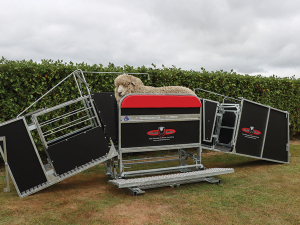
Oamaru-based livestock handling specialist Te Pari has bought Combi Clamp, the New Zealand manufacturer of Combi Clamp manual sheep handlers.
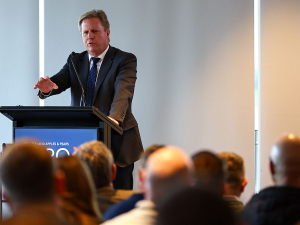
Agriculture Minister Todd McClay has admitted that a scheme bringing workers from Pacific nations to work on orchards has become too hard to navigate but says changes are coming.
A new app designed in New Zealand aims to help sheep, beef and deer farmers capture, analyse and use body condition score data more effectively.
Canterbury farmer Andy Macfarlane has been appointed to the board of AgriZeroNZ, the public-private partnership designed to accelerate the development and deployment of emissions reduction tools for New Zealand farmers.
For over 50 years Mel Ewers has been supporting the apple sector navigate through compliance and quality assurance issues.
The apple sector is enjoying a bumper harvest season.

OPINION: City and regional councils have been put on notice - stop using extreme climate forecasting scenarios that can drive…
OPINION: The Green Party’s rivers and oceans policy may have a new name but nothing else has changed.