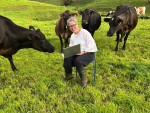
International Day of Rural Women: Two DairyNZ Farmers’ Stories
Today, 15 October, is the International Day of Rural Women, which recognises rural women’s contribution to farming, communities and the environment.




 increase font size
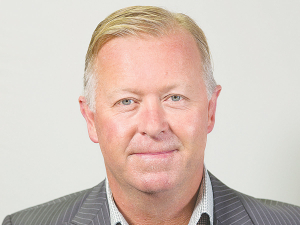
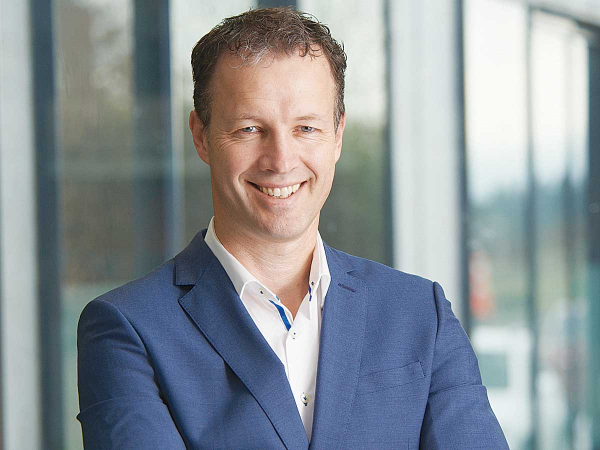 DairyNZ chief executive Tim Mackle.
DairyNZ says it will work more closely with other industry stakeholders on major issues facing farmers.
DairyNZ chief executive Tim Mackle told the Farmers Forum last month that farmers want all stakeholders to work together.
“That we are working for you with everyone else that does the same,” Mackle says.
DairyNZ is “heartened” to be working with the likes of Federated Farmers, Dairy Women’s Network, dairy processors and Beef + Lamb NZ (BLNZ).
He also urged dairy farmers to take part in the upcoming BLNZ levy vote, reminding farmers that they invest $5m into the organisation.
“That’s quite a significant amount of BLNZ’s total budget,” Mackle says.
The dairy sector provides 62% of the beef – largely cull cows and bull beef – that is processed in New Zealand.
“So, I encourage you to register for the BLNZ levy vote. Like us they won’t be sending out papers to you – you will have to register.”
Mackle talked briefly about the three pillars of the organisation’s new strategy: developing better solutions, shaping a better future and supporting better farming.
“That’s essentially the three areas we work in for you and with you to achieve goals,” he says.
The five core goals of DairyNZ include how to increase profit over time and reduce dairy’s methane and nitrogen footprint at the same time.
It also plans to invest heavily into R&D to develop future farming systems and sector scale solutions.
“Not enough for just all of us to do something on our farm; we have to think about tackling things together in catchment in a region or right across the country through solutions,” says Mackle.
Building capability of people on farm, the need to engage better with levy payers and farmers and building trust and pride in dairy farming are also core challenges.
DairyNZ chairman Jim van der Poel told farmers they can be proud of our world-leading history in technology innovation and farming practices.
“We are living in a world that’s changing more rapidly and we need to move with that. Globally, consumer expectations are changing. More consumers are expecting their food to be produced sustainably and we are seeing our global competitors’ respond – they’re all investing in becoming more efficient,” said van der Poel.
“But we live in a world of opportunity. As farmers, we have an opportunity to play an important role in feeding the world’s growing population. I believe New Zealand is well-positioned to strengthen our reputation as a premium dairy producer in the twenty first century.”
In his keynote address, Climate Change Minister James Shaw said New Zealand’s dairy farmers have amongst the lowest carbon footprint per unit of production in the world.
“That is something for us to build on, to bend the curve on our total emissions output, because it is our total emissions that cause climate change,” said Shaw.
“There have been things happening in the sector over the past few years that are changing the way things are done.
“These are making significant impacts for the farmers adopting them, reducing their emissions whilst at the same time increasing their profitability. Our task now is to roll these innovations and changes in farm practice out right across the country.
“The same thing is true in every sector of the economy. There is a lot of work to be done, but if we get it right, what we’ll see is a cleaner and more productive country.”
Today, 15 October, is the International Day of Rural Women, which recognises rural women’s contribution to farming, communities and the environment.
The first major update to the Dairy Cattle Code of Welfare in more than a decade has been released, marking what DairyNZ describes as an important step in ensuring animal welfare standards continue to evolve alongside scientific evidence and on-farm realities.
Have a plan in place for your cows and staff.
DairyNZ deputy chair Cameron Henderson has been re-appointed unopposed for another term.
OPINION: The stats speak for themselves.


Federated Farmers has welcomed new rural policies released by ACT, saying they align closely with its own election priorities.
Rural Contractors NZ says proposed changes to land transport rules for agricultural vehicles are a welcome response by the Government to out of date regulations which have seen members hit with huge fines.
Alliance is calling for final applications for its 2027 Graduate Programme, with applications closing on Sunday 25 October.
Decades piloting planes has ensured vet and farmer David Hayes is focused on safety. So, after a serious accident while welding on farm, he is sharing his experience so others can learn from it.
Canterbury milk processor, Synlait Milk has confirmed Leon Fung as its chief executive officer.
OPINION: Making it easier to collect rainwater and use it to grow crops and livestock is a no brainer.

OPINION: It seems Canterbury processor Synlait is still in the doldrums.
OPINION: Get offside with New Zealand First leader Winston Peters at your own peril.




