
Fonterra CFO Andrew Murray Resigns
Fonterra Co-operative Group chief financial officer Andrew Murray has resigned to take up a role outside the dairy giant.




 increase font size
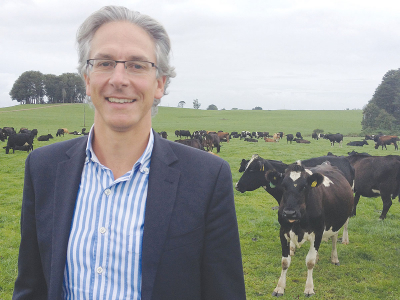 Alex Turnbull, Fonterra.
Alex Turnbull, director NZMP marketing, Fonterra, outlines the co-op’s ongoing commitment to adding value to New Zealand’s economy and the global dairy industry.
This article is in relation to a recent Situation and Outlook report from New Zealand’s Ministry of Primary Industry.
MPI’s healthy outlook of a 5.5% rise in dairy export revenue to the end of June 2019 is based on factors that are both within and beyond the control of our farmers, Fonterra or the Government.
Factors beyond control are typical for the agricultural sector; the sustained good weather and pasture growth over spring and summer in New Zealand, Australia’s extreme climate creating a difficult season there, consecutive monthly declines in EU dairy output, and expected production declines in the USA over the next quarter.
New Zealand farmers are used to juggling these types of variables, and have done it well for a long time, to the benefit of the country.
The agriculture sector delivered about $43 billion of the country’s total export earnings of $82.3 billion (including tourism) last year. Of that figure, dairy accounted for just over $14 billion, or 17% of the country’s earnings in the year to January 2019, a level of contribution it has delivered for much of the last 15 years.
One aspect that is under our control is how and where we focus our products on the value chain. We believe there’s a premium to be earned internationally from products backed by our New Zealand heritage and provenance. The quality of our milk comes from grass-fed, free-roaming cows reared on land that is looked after and cared for. It is rare and sets New Zealand apart on the world stage.
Dairy products like cheese and yoghurt are experiencing significant market share growth internationally, and the origin, premium qualities, and reputation of our milk provides a foundation for success. It’s a point of difference that perhaps has been taken for granted in the past and one that we are now amplifying in the global marketplace.
That dovetails into on-farm sustainability and reducing emissions. Many want to see quicker actions delivered by the agriculture sector. Count us and farmers among them. New Zealand farmers have among the lowest greenhouse gas emissions per litre of milk collected in the world. We can produce a litre of milk for about half the emissions of the world average.
Of course, we’re not stopping there. Racing the clock is the challenge scientists are grappling with. In February, an independent review of the New Zealand Agricultural Greenhouse Gas Research Centre (NZAGRC), found New Zealand is a world leader in all fields of agricultural greenhouse gas research and endorsed the programme’s performance to date. Our focus will be on putting this research into practise.
Our dairy farmers have already spent over $1 billion on environmental improvements and we continue to work with them, local communities and councils to deliver water quality improvement at a catchment-wide scale. We’re focussed on building strong relationships and utilising the latest technology to accelerate progress and ensure our farmers continue to lead the way in sustainable farming practices.
Our future is in protecting and enhancing New Zealand’s unique provenance proposition. It’s one of the keys to pushing New Zealand products up the value chain.
Fonterra Co-operative Group chief financial officer Andrew Murray has resigned to take up a role outside the dairy giant.

Four candidates have been confirmed for two director positions on Fonterra’s board.
A record farmgate milk price and strong global demand is laying the foundation for continued growth of organic dairy farming in New Zealand.
Waikato milk processor Tatua has again declared a record milk payout to farmer shareholders, leaving other processors in the dust.
Fonterra has unveiled its annual results for the 2026 financial year, posting $27 billion in revenue and close to $20 billion returned to New Zealand farmer owners and unit holders.


National’s pledge to introduce 19 new national standards shows the party is serious about getting Wellington out of farming, Federated Farmers says.
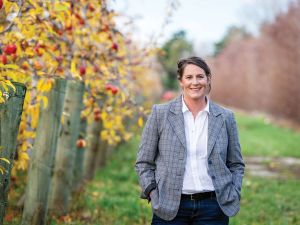
The National Party’s policies to make it easier to grow fresh vegetables, secure reliable water and energy and simplify farm planning are practical changes that will give growers the confidence to invest, according to Horticulture New Zealand (HortNZ).
Fonterra Co-operative Group chief financial officer Andrew Murray has resigned to take up a role outside the dairy giant.
A major move is about to get underway to improve the quality and viability of dairy beef and cattle in NZ.
Veterinarians say changes to the code of welfare for dairy cattle provides a positive foundation for improved cattle welfare across the country.
Today, 15 October, is the International Day of Rural Women, which recognises rural women’s contribution to farming, communities and the environment.

OPINION: It seems Canterbury processor Synlait is still in the doldrums.
OPINION: Get offside with New Zealand First leader Winston Peters at your own peril.




