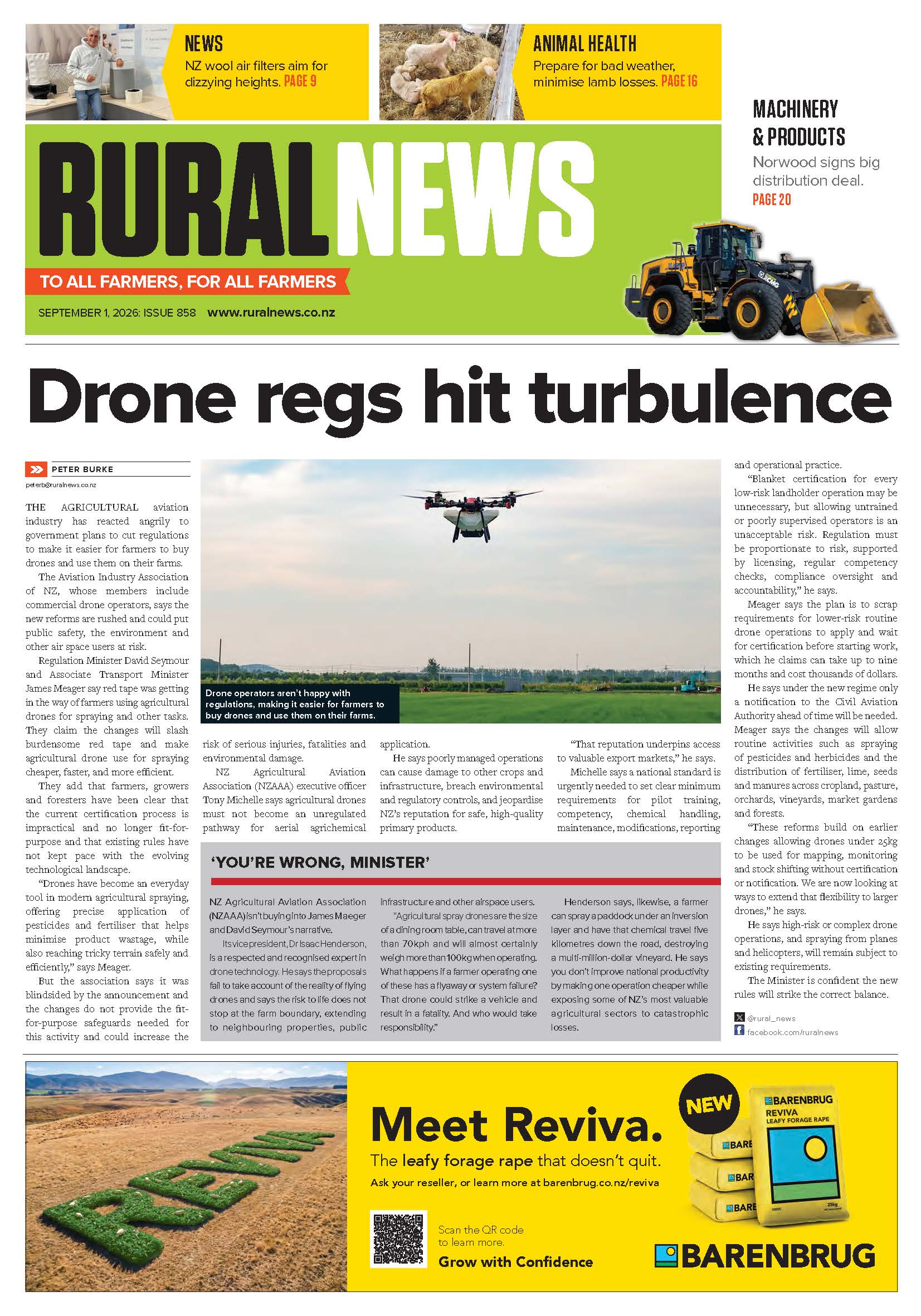
DairyNZ's Tracy Brown Flags El Nino Risk for Dairy Farms
Most dairy regions around the country have had a pretty good season so far says Tracy Brown.




 increase font size
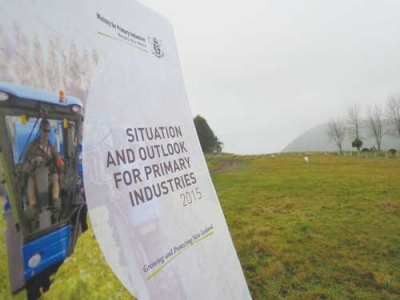 MPI is predicting this season’s price to reach $5.62/kgMS.
The Ministry for Primary Industries annual ‘Situation and Outlook Report for Primary Industries’ (SOPI) forecasts the farmgate milk price for the 2015-16 season to be $5.62/kgMS – slightly higher than Fonterra’s $5.25.
This reflects a modest recovery in international prices and an assumed 5.4% depreciation of the NZ$ against the US$, MPI says. The milk price is projected to average $6.70/kgMS in 2017-19 due to a rebalancing of global supply and demand and continued gradual depreciation of the NZ$ vs the US$.
But MPI says these price projections are subject to several uncertainties and risks worldwide including the political situation in Russia and milk production in other countries.
MPI remains overall optimistic about the long term future of the dairy industry. It says the value of dairy exports will drop by 22% in 2015 to just $14.1 billion and says four years will pass before the exports recover to over $18b, their level last year.
MPI director of sector policy Jarred Mair says while dairy accounts for 40% of New Zealand’s primary exports, the country is not overly dependent on dairy because it has a very strong mix of other primary products. Though the Chinese market is challenging, South East Asian markets are surging and new opportunities are seen in Africa.
“Where there are big impacts in a global sense we will be exposed because we are predominantly an export nation. We are in a transition period, moving from a commodity base to higher value products – ingredients or consumer products. That is probably the biggest trend we have seen in the last two years and it will continue for the next two-three years.”
SOPI is by and large a statistical document with a range of predictions about each of the primary sector groups. It notes that China now takes 21% percent of our dairy products – way ahead of the mere 8% taken by the USA. It also notes that WMP at 40.2% remains the major dairy commodity exported, followed by butter, AMF and cream products at 15.8% and SMP, buttermilk powder and infant foods at 13% .
Interestingly, it notes that China is the biggest market for WMP, SMP and butter and AMF products. The USA is still our largest market for casein products and Japan is NZ’s largest cheese market.
MPI says in the short term, dairy prices are likely to remain low due to weak demand from China and Russia. It says the consumption of dairy products in China and many other Asian countries remains well below global averages. But it notes that increasing incomes, growing urbanisation, relaxation of the one child policy and a growing acceptance of dairy as part of the Chinese diet will contribute to a predicted 30% increase in consumption by 2024.
MPI says Chinese dairy production is also expected to increase, but more slowly than demand.
“By 2024, consumption in China is estimated to reach 63m tonnes of dairy products compared with production of only 48m tonnes. This estimated 15m tonne deficit is well above the 11m tonne import requirement in 2014,” says the report.
MPI says overall, milk solids production in NZ for the year ended May 31, 2015 is expected to increase by 1.8% to 1.86 billion kg due to a 3.4% increase in cow numbers and stimulated by record milk prices during the2013-14 season.
But it notes that per-cow production is down 1.6%.
MPI forecasts that milksolids production in this new season will fall as lower prices lead to cutbacks in supplementary feeding, but annual growth of 2-3% is expected to resume thereafter.
Most dairy regions around the country have had a pretty good season so far says Tracy Brown.

Testing confirms H5 bird flu in a single northern giant petrel, found dead on a remote Cape Palliser beach in the Wairarapa, says Dr Mary van Andel, the Ministry for Primary Industries' (MPI) Chief Veterinary Officer.
The apple sector is working with the Government to unlock access to two key markets that could bring millions in revenue for apple growers.
OPINION: A simpler, clearer, more effective Recognised Seasonal Employer (RSE) scheme.
The country's second largest milk processor is warning against 'complacency' during a review of competition regulations in the dairy sector.



For the first time in a quarter of a century, Federated Farmers has something positive to say about the Labour Party’s climate change policy leading into a general election.
A warning for New Zealand seed and grain companies – be prepared for an exodus of farmers from the arable sector.
Now in its fourth year, the 2026 Fencing Industry Awards, formed part of the proceedings of the FCANZ Conference, held in Nelson during August.
DairyNZ deputy chair Cameron Henderson has been re-appointed unopposed for another term.
OPINION: The stats speak for themselves.
Farms across the upper North Island are trialling different pasture mixes as part of a research programme that aims to build greater resilience into farming systems.




OPINION: It seems Canterbury processor Synlait is still in the doldrums.
OPINION: Get offside with New Zealand First leader Winston Peters at your own peril.