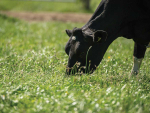
DairyNZ Resilient Pastures Trial Expands Across North Island
Farms across the upper North Island are trialling different pasture mixes as part of a research programme that aims to build greater resilience into farming systems.




 increase font size

INDUSTRY BODY DairyNZ is organising a series of community support meetings for farmers and advisors in Northland this week to aid recovery and discuss how to be more prepared when severe weather events hit the region.
An event for rural professionals will be held this afternoon with farmer-focussed meetings following later in the week offering one-on-one advice.
DairyNZ Northland regional leader Tafi Manjala says Northland farmers face a massive clean-up after the recent storms and will need to make key decisions as quickly as possible.
"We know from previous adverse events that these meetings will allow farmers with a lot of experience of dealing with floods to help those who are new to the area or fresh to dairy farming. We can discuss the best way to be prepared and respond quickly," he says.
DairyNZ's Northland team is visiting farms in the area and helping farmers in partnership with the Rural Support Trust and Federated Farmers.
"We're trying to help farmers weigh up the immediate priorities. This is a critical time for good decision-making because about 20,000 cows have been significantly affected by the flooding. Cows are calving and feeding animals is the top priority but so is helping flooded paddocks recover so we have grass for the rest of the season," he says.
The large volumes of rainfall has resulted in saturated soils and flooded paddocks.
"It's important that farmers assess their pastures daily and avoid pugging damage that can reduce pasture production by up to 50% for six weeks or longer.
"We're advising farmers to work out how much feed they have compared to how much they will need and take early action if they need to. This could include transporting cows and grazing some of their herd at other farms."
Farmers seeking information on available supplementary feed or grazing can contact the Northland Rural Support Trust (0800 787 254). If farmers are able to offer short term grazing or have additional supplements they can also contact the Rural Support Trust.
"Cold, wet stock will lose condition quickly. Farmers will be doing everything financially possible to maintain them in calving condition. They will also be watching out for cows eating silted pasture as too much silt can stop the rumen functioning," he says.
Tafi says the Northland floods have highlighted how important it is that farmers across the country have a contingency plan in place when floods, drought and other events hit.
"It's the kind of plan that you need to discuss with the whole farm team so everyone knows what's required of them. You should also discuss it with your banker, insurance representative and farm consultant."
Tafi says a two-year programme by NIWA to develop an up-to-date regional flood estimation tool for New Zealand will help farmers understand the risks.
NIWA is drawing together data from over 600 monitoring sites across the country, combining additional systematic data with more ad hoc historical observations.
It is currently half-way through the work and once completed, the results will be available to regional councils, consultants, and other interested parties like farmers to help them identify methods to avoid or manage flood risk.
"We hope this information will feed into how flood schemes are designed or redesigned for better future proofing," he says.
For more information farmers are advised to contact their DairyNZ consulting officer, Rural Support Trust or visit www.dairynz.co.nz/events for full details of all events.
Farms across the upper North Island are trialling different pasture mixes as part of a research programme that aims to build greater resilience into farming systems.
OPINION: Since when did one and one make three? Who didn't smell an elephant-sized rat when our leaders decided to give $60 million to save the cement factory in Northland?
New Zealand needs to make sure that it continues to focus on its own food security, according to HortNZ board member and blueberry grower Dermott Malley.
A five-year study has found that the cost of reducing emissions without technology may be significant and unsustainable for Northland dairy farmers.
Northlanders scooped the pool at this year's prestigious Ahuwhenua Trophy Awards - winning both the main competition and the young Maori farmer award.


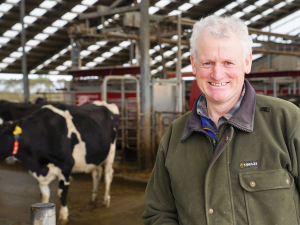
In Dacre, near Invercargill in New Zealand’s South Island, Bruce Dinnington is running a dairy operation unlike any other.

A free online platform aggregating governance vacancies across rural and regional New Zealand has been launched.
Environment Minister Nicola Grigg has announced details of a new rural plastics recycling scheme.
Agricultural drone operators say that a government decision to allow lower-risk drone work without certification won’t lower standards but drive innovation and efficiency.
OPINION: Warning bells are ringing in the arable sector.
Farmgate lamb prices are down by 8%, beef cattle by 4.5% and farm expenditure up by 4.2%.


OPINION: It seems Canterbury processor Synlait is still in the doldrums.
OPINION: Get offside with New Zealand First leader Winston Peters at your own peril.




