On farm innovation and technology is something new career dairy farmers are looking for when applying for jobs.
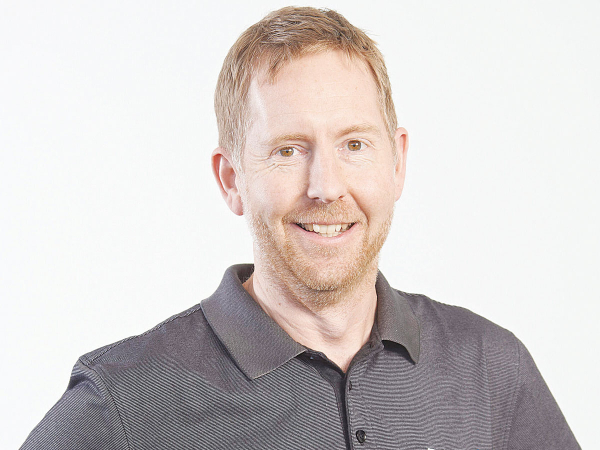
According to Dr Callum Eastwood, a DairyNZ specialist in farm technology, getting people to work on farms has historically always been challenging. He says, when talking to young people looking to enter the dairy sector, a factor that will influence their decisions to accept or reject a job is how much technology is on a give farm.
"For example, what is the milking shed like? Does it have a modern rotary and are approaches to farming modern and innovative?"
Eastwood's comments come in the light of a recent DairyNZ survey on what technology is being applied on NZ dairy farms and what sort of technologies farmers see as priority in the future. He says the survey shows a significant rise in the use of 'wearables' on farm, noting that five years ago only 3% of farms were using these, but it is now 16%.
Eastwood says that when farmers were asked what technology they would like to invest in most in the future, 33% said cow wearables.
An interesting point in the survey is that 30% of farmers using wearables had rotary sheds, while only 10% had herringbone sheds. Eastwood say this could be because farmers with rotary sheds have larger herds or are perhaps newer entrants to the dairy sector, particularly those in parts of the South Island.
He says the use of automatic cup removers, automatic teat spraying and automatic drafting are high on the list for farmers.
Certain smartphones apps are also in use. All of these may lead to labour savings.
"In terms of heat detection, the wearables provide some consistency on this issue for a farmer. Detecting heat manually is a very skilled job and when there are large teams on a farm, it often means that a highly skilled team member is allocated to this task.
"The use of wearables for heat detection means that this very experienced person can be used for other important duties around the farm. Technology does this job well and provides flexibility around the farm," he says.
Farmers have told DairyNZ the reason they are embracing the use of wearables is that they can be installed regardless of the existing milking infrastructure and often result in reducing labour costs.
Eastwood says other technologies such as virtual fencing and herding offer good time saving benefits. But he says there are many farmers who embrace technology yet believe staff still need the basic animal husbandry skills when technology fails for whatever reason.
One issue highlighted in the survey was that only 54% of all farms have access to a generator and of those 71% owned their own generator. Eastwood says this surprised him, given that power outages on dairy farms are not uncommon due to adverse weather events and earthquakes.
He says this question was added to the survey at the last minute in the light of Cyclones Hale and Gabrielle.
Early Adopters
Callum Eastwood says NZ dairy farmers have been early adopters of in-shed automation, mainly because of the average size of our dairy herds (450 cows) compared to the average herd size in many Northern Hemisphere countries (about 100 cows).
He says while he hasn't seen any specific data, he believes wearables have taken off in many countries such as Ireland which have similar issues to NZ.
But he says there is a difference when it comes to robotic milking systems.
"In NZ, there are roughly 30 farms out of 11,000 that have robotic milking systems in place, whereas in countries such as Denmark and the Netherlands around 30% of farmers have robotic systems," he says.
Eastwood says it is probably a reflection of their small herd sizes.
But overall, in the last five years there has been a significant jump in the use of technology on NZ dairy farms and the evidence suggests that this will continue to improve profitability and overall performance.