Damien O’Connor Criticises Budget 2026 as ‘Miserable’ for Rural New Zealand
A miserable budget that didn’t deliver much for anyone.




 increase font size
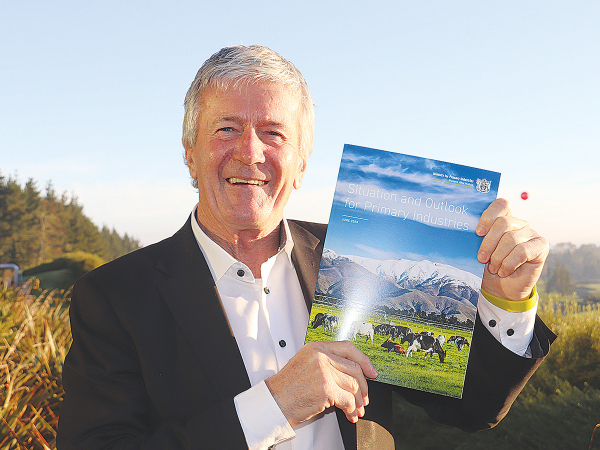 Agriculture Minister Damien O’Connor with the Ministry for Primary Industries’ latest Situation and Outlook for Primary Industries (SOPI) report at National Fieldays this month.
For the much-maligned dairy industry, NZ's primary export returns for 2023 would be looking grim.
That's the conclusion one can draw from the Ministry for Primary Industries' latest Situation and Outlook for Primary Industries (SOPI) report, released before a group of industry leaders at the Fieldays. The report shows that earnings from the dairy sector were $25.1 billion - double that of the meat and wool sector and more than three times that of horticulture.
The total revenue from the primary sector for 2023 was a record $56.2 billion - nearly $3 billion more than last year. The very good news is that dairy exports are predicted to reach $28.2 billion by 2027, while export growth for meat and wool will remain static for the next four years and is unlikely to reach the $12.3 billion it was in 2022.
The section in the SOPI report on dairying notes that China is easily NZ's single biggest market for dairy products, taking 34% of our exports. Indonesia at 6% is the next biggest market with Australia third at just 5%. China is the biggest market for all our dairy products except casein and products which is snared by the US.
According to the SOPI report, the performance by the dairy sector is excellent, especially considering the challenges and uncertainties it has faced due to Covid-19 in China. But there are also warning signs in the report with commentary on the fact that global dairy prices are in decline, although they remain above average. It notes that demand for dairy has weakened due to a slowdown in global economic growth, rising inflation and high food prices.
It also points to better supply coming onto the world market from the EU and the US in the past season, but goes on to suggest that milk production in these countries has now slowed and will likely prevent any crash in dairy prices.
There is recognition in the SOPI report of high farm input costs affecting on-farm profitability in NZ, but it says that the staff shortages in the sector are easing and, as most of us have seen, pasture grown in the past few months has been excellent.
Overall, the SOPI report paints a picture of a good 2023 year, but that growth in the coming few years will be incremental rather than spectacular. Horticulture will go through something of a rebuilding phase to get volumes of kiwifruit and apples up, while meat and wool remains a challenge.
A miserable budget that didn’t deliver much for anyone.

National's decision to ‘dribble’ information about the NZ/India to Labour contributed to the delay in it deciding to supported the FTA.
New Zealand's primary sector is set to reach a record $62 billion in food and fibre exports next year.
When it comes to international trade, politicians from all sides of the aisle are united, says Labour's trade spokesman Damien O'Connor.
NZ primary exports are set to reach almost $60 million in the year ended 30 June 2025.


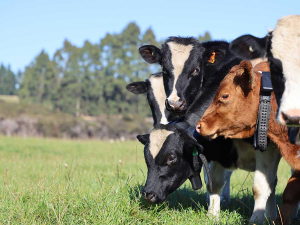
High country stations, mixed sheep and beef farms, Māori-owned farms, corporates and family operations are among the nine commercial farms taking part in the Livestock Innovation Farming Transformation programme, known as LIFT.
OPINION: New health and safety guidance unveiled by the Government recently provides farmers greater certainty about what is expected of them when managing risks on farm.
The National Animal Welfare Advisory Committee (NAWAC) is seeking public feedback on proposed changes to the Code of Welfare for Rodeos.
A New Zealand initiative supporting farmers to restore the health of grazing landscapes has received international backing through the Regenerative Fund for Nature, a global collaborative fund supporting regenerative agriculture and the communities that produce natural fibres for the fashion industry.
Combine premium New Zealand products, blend in a family ritual and what do you get? A world-class functional drink.
Entries are now open across eleven regions for the 2027 New Zealand Dairy Industry Awards (NZDIA).



OPINION: It seems Canterbury processor Synlait is still in the doldrums.
OPINION: Get offside with New Zealand First leader Winston Peters at your own peril.




