Fonterra FY26 Results: $9.69 Milk Price, $3.4bn Profit
Fonterra has unveiled its annual results for the 2026 financial year, posting $27 billion in revenue and close to $20 billion returned to New Zealand farmer owners and unit holders.




 increase font size
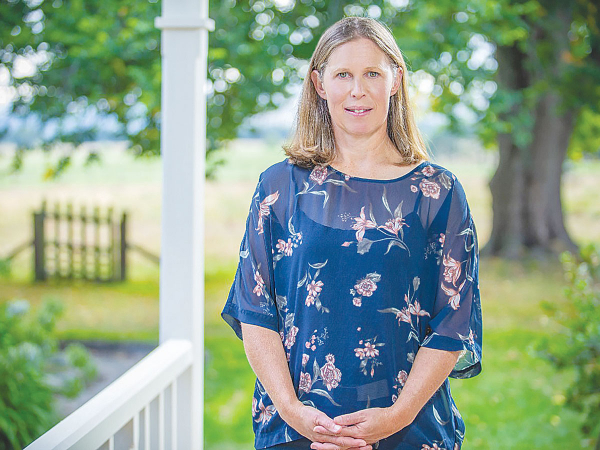 ANZ agricultural economist Susan Kilsby doesn’t expect dairy prices to rebound in the coming months.
Analysts remain divided on the forecast farmgate milk price for the new season, starting in less than two months.
Current forecast price ranges from $7/kgMS to a bumper $10/kgMS, reflecting volatility around both supply and demand around the world.
Fonterra will announce its opening forecast milk price next month. The country's second largest milk processor Open Country Dairy is telling suppliers to expect $8.30 to $8.70/kgMS for milk supplied between June and November this year.
Westpac is forecasting a whopping $10/kgMS and is banking on prices to rise in the coming months.
The bank's senior agri economist Nathan Penny says the lift will come too late for this season.
"But it does set up 2023/24 for a bumper milk price," says Penny.
He notes that the 2023/23 season will also receive a boost from the relatively low New Zealand dollar.
ANZ isn't so optimistic, lowering its 2023-24 season forecast price by 25c to $8.50/kgMS, 25c lower than previously forecast.
ANZ agricultural economist Susan Kilsby says this is aligned with the price of next season's milk price futures contract.
Kilsby also expects the NZ dollar to impact next season's price.
"The NZD has been volatile lately in response to the uncertainty brought about by the recent instability in global finance markets, following the collapse of several overseas banks," she says.
"Dairy company foreign exchange requirements for the current season will be largely hedged now, therefore movements in the NZD will have a greater impact on next season's milk price."
Kilsby doesn't expect prices to rebound in the coming months.
"We were hoping the recent lift in demand from China would pull prices higher, but this has been offset by softer demand from other regions and increased availability of dairy products."
Global demand for dairy products was particularly weak in late 2022, when China was largely locked down to reduce the spread of Covid-19.
This resulted in demand for dairy products falling sharply at both the consumer and wholesale level within China.
China dairy import volumes fell 16% in 2022, and 2023 imports have dropped further.
Kilsby notes that when demand from China fell, more dairy products were exported into other regions such as South East Asia.
"We are now seeing a little less demand from these regions due to a build-up in their stock positions."
ASB economist Nathaniel Keall agrees that improving Chinese demand will continue to be offset by weaker dairy consumption elsewhere.
"What's more, with local production strong and dairy stocks still healthy, there's a limit to what Chinese processors will be prepared to pay for now," he says.
On the supply side, the latest data out of the EU shows milk production continuing to make tentative year-on-year improvements.
The bank is retaining its $7/kgMS milk price forecast for 2023/24.
"Not much has changed in terms of the fundamentals since our last update - with global dairy supply past its lows and softer global growth set to weigh on demand, we don't see prices mounting a dramatic comeback," says Keall.
Fonterra has unveiled its annual results for the 2026 financial year, posting $27 billion in revenue and close to $20 billion returned to New Zealand farmer owners and unit holders.
Fonterra Co-operative Group has confirmed the independently assessed candidates standing for election to its board in 2026.
Fonterra has revised its Farmgate Milk Price forecast for the 2026/27 season, lifting the midpoint and narrowing the range on the back of improving global dairy commodity prices.
Outgoing Fonterra Co-operative Council chair John Stevenson says that it has been a privilege to represent the co-op's farmer shareholders.
OPINION: It seems Canterbury processor Synlait is still in the doldrums.



LIC shareholders have elected a new North Island representative to the co-operative's Board, along with five representatives to its Shareholder Reference Group (SRG), following the company's Annual Meeting held in Invercargill.
Farmers across parts of Southland and South Otago are continuing to deal with difficult conditions after a prolonged run of wet weather, with pressure building around feed supply, stock management, pasture damage, farm infrastructure and everyday workloads.
Federated Farmers says it welcomes Labour's commitment to reviewing the Sharemilking Agreements Act, calling on other major parties to do the same.
For Canterbury dairy farmers Sian Meijer and Rick Wobben, wearable technology has become one of their most valuable on-farm tools - helping manage 1850 cows across an expansive, high-performing dairy operation while improving efficiency, mating outcomes and day-to-day decision making.
Fonterra has unveiled its annual results for the 2026 financial year, posting $27 billion in revenue and close to $20 billion returned to New Zealand farmer owners and unit holders.
The first major update to the Dairy Cattle Code of Welfare in more than a decade has been released, marking what DairyNZ describes as an important step in ensuring animal welfare standards continue to evolve alongside scientific evidence and on-farm realities.


OPINION: It seems Canterbury processor Synlait is still in the doldrums.
OPINION: Get offside with New Zealand First leader Winston Peters at your own peril.




