International Day of Rural Women: Two DairyNZ Farmers’ Stories
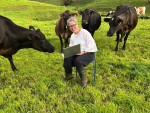
Today, 15 October, is the International Day of Rural Women, which recognises rural women’s contribution to farming, communities and the environment.




 increase font size
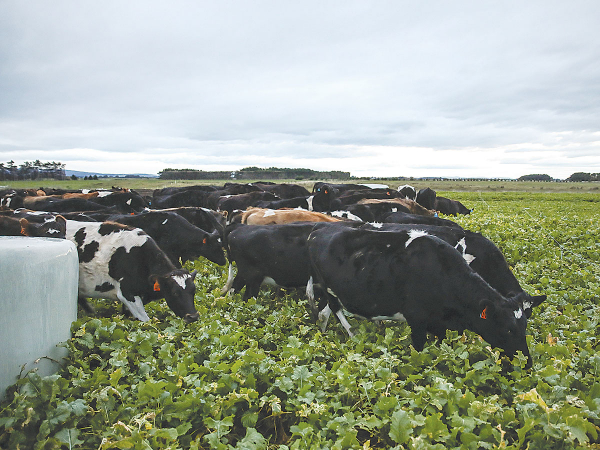 DairyNZ says conversations with farmers have identified changes to reduce soil run-off, as well as smart ideas to graze strategically so drier parts of a paddock are available in wet weather.
Winter grazing farm plans have proved more popular than ever in 2021.
An estimated 80% of dairy farmers had winter grazing plans as the season got underway in June and over 1200 farmers have completed the Beef + Lamb New Zealand (B+LNZ) Winter Grazing Module.
DairyNZ farm performance general manager Sharon Morrell says DairyNZ’s annual winter grazing consultation with 150 Southland and South Otago farmers highlighted the prep and good management practices in place this past season.
“Around 80% of dairy farmers had a plan last winter,” Morrell says. “But there was also a clear desire of farmers to go the extra mile.
“Plans help farmers think through and implement practices and contingencies that deliver good outcomes through winter,” she told Dairy News.
She says farmers can use an industry plan, through DairyNZ or B+LNZ, or a plan from the Ministry for Primary Industries (MPI).
“Planning for winter and wet weather is important to deliver good outcomes, especially when adverse weather arrives.
“We are all looking to continue lifting winter grazing performance, and using a wintering checklist and practical plan helps farmers, graziers and their teams do that,” Morrell says.
She says the sector is committed to collaboratively delivering winter grazing that protects animals and the environment. “This motivation is really evident this season and farmers are taking action and adopting new practices.
“Farmers are focused on delivering and encouraging others, and we are largely seeing good practices. Farmers are also expecting a team effort and to see assistance delivered for any farmers who need it.”
Conversations with farmers have identified changes to reduce soil run-off, as well as smart ideas to graze strategically so drier parts of a paddock are available in wet weather.
Also identified was a need for farm decision makers to close the loop with the team managing paddocks to help with day to day management.
“The feedback we’re getting from farmers is they appreciate the practical farmer-led approach and we’ll continue to work across the sector, with regional councils and farmers on achieving positive outcomes across animal welfare, the environment and sustainable farming business.”
Morrell says she encourages farmers to review the past winter.
“Now is a good time to reflect on what went well and can be improved for next season. Look back over the last two winters – what were the wins and what needs improvement?”
Plan paddock selection and cultivation with those lessons in mind – think about how the system, including your team, coped this season, she says.
Having a written plan is a good start.
“It takes farmers through the key planning and actions prior to winter,” she says.
“When the plan is in place, the next step is ensuring it’s discussed with the team – farm teams need to know what the plan is and continue reviewing it each and every weather event throughout winter. It’s a live resource to keep working with throughout the winter.”
Today, 15 October, is the International Day of Rural Women, which recognises rural women’s contribution to farming, communities and the environment.
The first major update to the Dairy Cattle Code of Welfare in more than a decade has been released, marking what DairyNZ describes as an important step in ensuring animal welfare standards continue to evolve alongside scientific evidence and on-farm realities.
Have a plan in place for your cows and staff.
As farmers begin thinking about establishing next year’s winter forage crops, Beef + Lamb NZ is encouraging farmers to carefully consider what crops they are planting and where.
DairyNZ deputy chair Cameron Henderson has been re-appointed unopposed for another term.


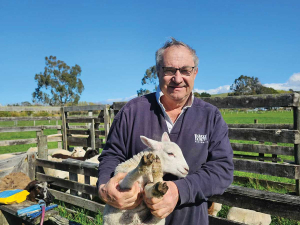
Decades piloting planes has ensured vet and farmer David Hayes is focused on safety. So, after a serious accident while welding on farm, he is sharing his experience so others can learn from it.
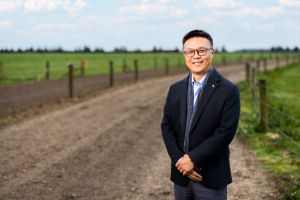
Canterbury milk processor, Synlait Milk has confirmed Leon Fung as its chief executive officer.
OPINION: Making it easier to collect rainwater and use it to grow crops and livestock is a no brainer.
As part of its Election 2026 coverage, Rural News asked political parties how they would help pull the arable sector out of the doldrums. Here's what they said:
Farmers are being encouraged to rethink how they manage waste on farm with the launch of ruralwastesorted.co.nz, a new website bringing together practical tips, real farmer experiences and resources.
New Zealand Winegrowers (NZW) is celebrating the India-New Zealand Free Trade Agreement (FTA) coming into force today, bringing New Zealand wine improved access to one of the world’s fastest-growing economies.


OPINION: It seems Canterbury processor Synlait is still in the doldrums.
OPINION: Get offside with New Zealand First leader Winston Peters at your own peril.