Science coming second in water decisions
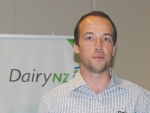
Emotions and values now come first in water quality assessment and science comes second, says a water quality specialist with DairyNZ, Tom Stephens.




 increase font size
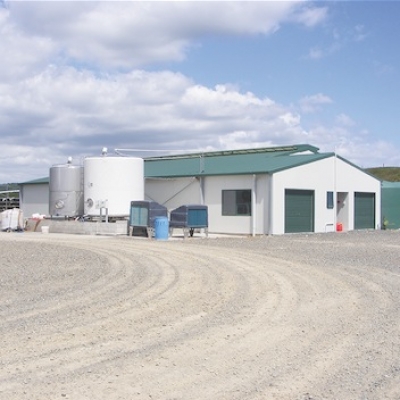
Dairy infrastructure can have a major impact on milking efficiency and the comfort of cows and milkers. Upgrading an existing dairy or installing a new dairy are big, often costly projects, says DairyNZ.
A decision to change the dairy should be based on a genuine need for improved infrastructure. It should be financially viable and support the achievement of the farm’s goals.
Generally a change in the milk harvesting system cannot be assessed in isolation from the rest of the farm business. A major upgrade or a new dairy is not ‘just a shed’ but has implications for the whole farm system.
The motivation for a big change may include: the current system is working well but is too small to cope with goals, i.e. milking more cows, employing more or less labour; or the current system may not be working well, i.e. the milker is idle or flat-out, the dairy is too cramped, or it takes too long to milk. In this case possibly the extra capacity/efficiency of a new set-up could help pay for the upgrade.
Sometimes the motivation for change may be a combination of both, e.g. milking may be taking too long and extra income may be needed to cover increasing expenses.
Other reasons for seeking changes include:
A desire to improve the working environment to get benefits such as reduced OSH risks
Improved attitudes to the milking job and farming in general
More time to spend on management tasks or being able to attract and keep high calibre staff to take over the day-to-day tasks.
Be clear about motives for change and keep a focus on the farm goals. If the primary goal is to increase disposable income there may be other ways to achieve this without a big building project.
Not all of a farmer’s goals will be financially motivated but every decision made on the farm has a financial implication. The implications of building a new dairy need to be analysed from many different angles so the risks of financial failure are kept to a minimum and financial targets are reached.
Some common general considerations are:
Will the change be an upgrade or a whole new dairy?
Will more cows be required to pay for a new dairy?
If extra cows are required, what will the impact be on the herd, feed, management, labour, infrastructure and debt?
Take into account all costs when doing budgets and plans. These can hugely affect the financial viability of a project, e.g. will the existing infrastructure meet requirements of an expanded herd (effluent, fencing, laneways and water)?
Infrastructure checklist
Checking that all necessary elements are included before seeking quotes will restrict those quotes to one only. Sending a single set of plans to all contractors ensures they are all quoting on the same job, allowing meaningful comparisons of all quotes.
The New Zealand Food Safety Authority (NZFSA) and your milk company have strict rules for dairy infrastructure relating to milk quality and milk collection. Don’t start building or renovating before you consult your milk company.
The ‘Infrastructure Checklist’ document is a spreadsheet for making changes to milking infrastructure.
Use it as a guide during the design stage. It lists each item; use ticks and crosses to indicate those items that are okay and those needing fixing or upgrading.
Emotions and values now come first in water quality assessment and science comes second, says a water quality specialist with DairyNZ, Tom Stephens.
Trucking firm are coming under particular scrutiny about transporting cows that aren’t fit to travel, says Chris Leach, DairyNZ senior developer - animal husbandry and welfare.
The Waikato Regional Council plans to hold another farm planning and environmental sustainability field day after the success of their last event at the Kaniwhaniwha Stream.
National average somatic cell count (SCC) levels have been dropping recently and are on track to reach a bulk milk SCC of 150,000 cells/ml by 2016.
Vastly improving a poorly performing paddock led to Waiuku farmer Robert Garshaw winning the first-year pasture category of DairyNZ’s Pasture Renewal Persistence competition.
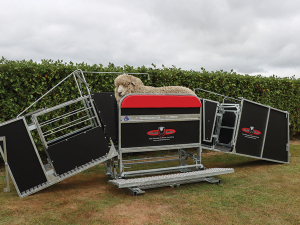
Oamaru-based livestock handling specialist Te Pari has bought Combi Clamp, the New Zealand manufacturer of Combi Clamp manual sheep handlers.
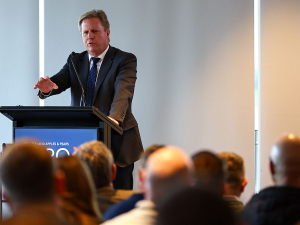
Agriculture Minister Todd McClay has admitted that a scheme bringing workers from Pacific nations to work on orchards has become too hard to navigate but says changes are coming.
A new app designed in New Zealand aims to help sheep, beef and deer farmers capture, analyse and use body condition score data more effectively.
Canterbury farmer Andy Macfarlane has been appointed to the board of AgriZeroNZ, the public-private partnership designed to accelerate the development and deployment of emissions reduction tools for New Zealand farmers.
For over 50 years Mel Ewers has been supporting the apple sector navigate through compliance and quality assurance issues.
The apple sector is enjoying a bumper harvest season.
OPINION: City and regional councils have been put on notice - stop using extreme climate forecasting scenarios that can drive…
OPINION: The Green Party’s rivers and oceans policy may have a new name but nothing else has changed.