M.I.A.
OPINION: The previous government spent too much during the Covid-19 pandemic, despite warnings from officials, according to a briefing released by the Treasury.




 increase font size
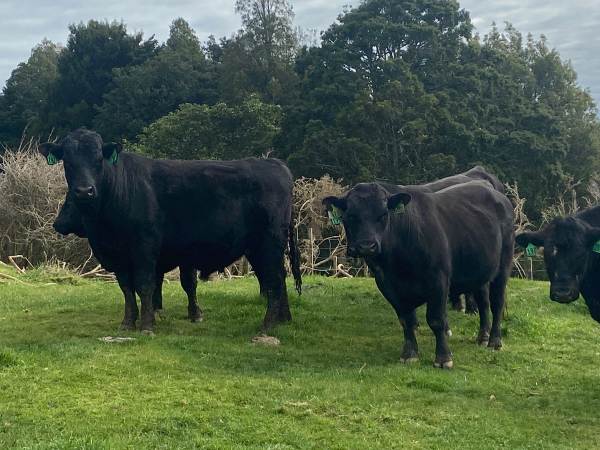 Angus bulls that will be on offer at the BullsEye Sale, east of Huntly next week.
A hybrid auction platform launched during last year's Covid lockdown is allowing beef and dairy bull sales across the North Island to continue.
The MyLivestock hybrid auction platform, which combines saleyard, farm and online auctions, was developed ahead of last year's lockdown.
NZ Farmers Livestock general manager livestock, Bill Sweeney, says fortuitously, it was ready to launch when the 2020 Covid lockdown was announced. Farmers were able to choose whether to physically or virtually attend a stock sale.
The ability to 'virtually' attend a stock sale opened the country up - farmers were suddenly able to bid at any sale around New Zealand without leaving the farm and they could confidently bid in real time knowing transport and NAIT requirements would be attended to, and the stock would duly arrive on farm. It was a whole new environment and one which farmers embraced," says Sweeney.
"Providing an online option for farmers to attend and bid at stock was a concept we'd been developing for some time.
"Traditionally farmers are often faced with a day's travel to attend a sale and the demands of farming often make this very difficult.
"We wanted to give them options - of either attending any sale in New Zealand on their mobile or home computer."
The online option didn't replace physically attending sales however.
Sweeney notes that stock sales have an important social function in rural communities.
"This is true especially in tough times and so, throughout Levels 3 and 2 in 2020, we continued to have a good number of farmers attend our sales under strict Covid guidelines.”
Sweeney says the hybrid auction platform will, once again, bolster the beef and dairy industries during the current Covid restrictions.
NZ Farmers Livestock’s 2021 Spring bull sale calendar is one of the largest ever. It has a record number of bulls coming forward at 30 sales across the North Island – all of which will continue under Level 3 and 2.
Around 1,000 mainly yearling Jersey, Hereford and Angus bulls will go under the hammer at sales during September and October, in the main on the respective breeder’s farm.
“We are delighted with the overall quality of bulls which will satisfy the demands of beef and dairy farmers – short gestation, low birth weight and easy calving. All bulls are BVD tested and inoculated,” says Sweeney.
He says strict operating procedures apply at all NZ Farmers Livestock bull sales.
“Attendance at stockyard and on-farm sales is limited to those interested in buying, those required to operate the sale, a limited number of vendor representative agents and stock handlers.
“As farm and stockyards are classed as work places there is no attendance maximum but social distancing and other Covid safety requirements apply.
“To inject some fun into proceedings, at the end of the bull sale calendar we will hold a draw for a cash payment of $2,500 for a lucky farmer who bought or booked their purchase at one of our on farm sales – every bull purchase going into the draw.”
Covid Guidelines
Contact tracing QR codes will be on display at all sites.
The names and contact details of all those attending saleyard and on-farm sales will be recorded either via the Contact Tracing QR app or manually.
All buyer registration, post purchase confirmation, NAIT transfers, and carrier selection/arrangement (delegated to agents to arrange) will be handled outside of the immediate sale area.
Any person infected with or displaying any symptoms of Covid-19, or who is a vulnerable person (by virtue of their age, underlying health condition, clinical condition or are pregnant), or with any concerns that they may have been exposed to Covid-19, are prohibited from entering the site.
Social distancing, hand washing/sanitising and related PPE (masks and gloves will be available, and use in line with government direction required). High use contact services are regularly sanitised.
OPINION: The previous government spent too much during the Covid-19 pandemic, despite warnings from officials, according to a briefing released by the Treasury.
OPINION: Labour leader Chris 'Chippy' Hipkins is carrying on the world-class gaslighting of the nation that he and his cohorts started after their disastrous Covid response; now trying to undermine the Covid inquiry to protect his own backside.
OPINION: Did former PM Jacinda Ardern get fawning reviews for her book?
OPINION: Welcome to the second annual NZ Dairy Expo at Matamata – an event created to bring together the best of the New Zealand dairy industry in a focused, grassroots environment where dairy farmers and rural professionals can meet, talk, compare products, and make smart decisions for their farms.
It's a bloody tough year for sheep farmers, but the worst may be over, and the future looks optimistic.


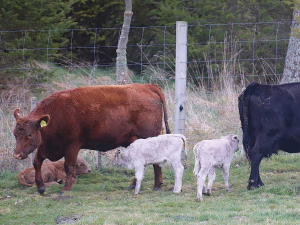
A major move is about to get underway to improve the quality and viability of dairy beef and cattle in NZ.
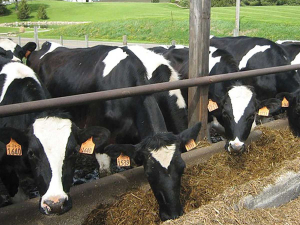
Veterinarians say changes to the code of welfare for dairy cattle provides a positive foundation for improved cattle welfare across the country.
Today, 15 October, is the International Day of Rural Women, which recognises rural women’s contribution to farming, communities and the environment.
Global dairy giant Lactalis has integrated its Australian operations with the Mainland Dairy consumer business it acquired from Fonterra earlier this year.
After almost two decades of sharemilking, saving and building equity, Aaron and Marcia Flay this year realised their long-held dream of settling on their first dairy farm.
Good medium to long term prospects for NZ beef, especially in the US, has heighted the focus on various initiatives to capitalise on this situation.

OPINION: It seems Canterbury processor Synlait is still in the doldrums.
OPINION: Get offside with New Zealand First leader Winston Peters at your own peril.




