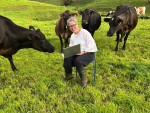
International Day of Rural Women: Two DairyNZ Farmers’ Stories
Today, 15 October, is the International Day of Rural Women, which recognises rural women’s contribution to farming, communities and the environment.




 increase font size
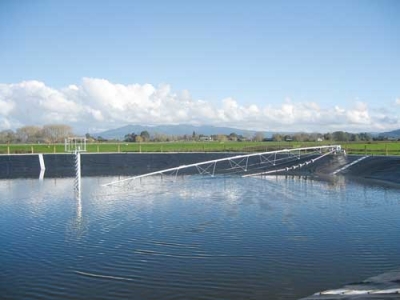
The effluent collection infrastructure must be designed to handle the volume and consistency of effluent being produced, says DairyNZ.
The system must be designed to handle the peak flow rate of effluent without blocking, overflowing, or leaking. Wash-down system
A water supply is required for wash-down of the dairy shed and, periodically, for washing of other areas such as standoff areas and feed pads.
Wash-water can form a large proportion of the total volume of FDE produced. Thus, it is important to determine the final specifications of the wash-water system prior to designing the rest of the collection and conveyance system.
Wash-down water is usually supplied from clean bore or surface water.
Consider any available alternative systems to minimise water use. For example, consider the use of recycled water, or harvested stormwater, for washing areas that do not require high quality water (eg feed pads, stand-off areas or animal housing areas).
Always check local regulatory requirements prior to designing systems that use recycled water.
In addition to the general hydraulic design requirements, the collection infrastructure must be able to:
Initial collection may be by a number of different methods. Common effluent collection methods include:
Today, 15 October, is the International Day of Rural Women, which recognises rural women’s contribution to farming, communities and the environment.
The first major update to the Dairy Cattle Code of Welfare in more than a decade has been released, marking what DairyNZ describes as an important step in ensuring animal welfare standards continue to evolve alongside scientific evidence and on-farm realities.
Have a plan in place for your cows and staff.
DairyNZ deputy chair Cameron Henderson has been re-appointed unopposed for another term.
OPINION: The stats speak for themselves.


Federated Farmers has welcomed new rural policies released by ACT, saying they align closely with its own election priorities.

Rural Contractors NZ says proposed changes to land transport rules for agricultural vehicles are a welcome response by the Government to out of date regulations which have seen members hit with huge fines.
Alliance is calling for final applications for its 2027 Graduate Programme, with applications closing on Sunday 25 October.
Decades piloting planes has ensured vet and farmer David Hayes is focused on safety. So, after a serious accident while welding on farm, he is sharing his experience so others can learn from it.
Canterbury milk processor, Synlait Milk has confirmed Leon Fung as its chief executive officer.
OPINION: Making it easier to collect rainwater and use it to grow crops and livestock is a no brainer.




OPINION: It seems Canterbury processor Synlait is still in the doldrums.
OPINION: Get offside with New Zealand First leader Winston Peters at your own peril.




