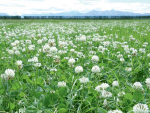
White Clover: Free Nitrogen as Urea Prices Climb
Growing great pasture this season doesn’t have to break the bank.




 increase font size
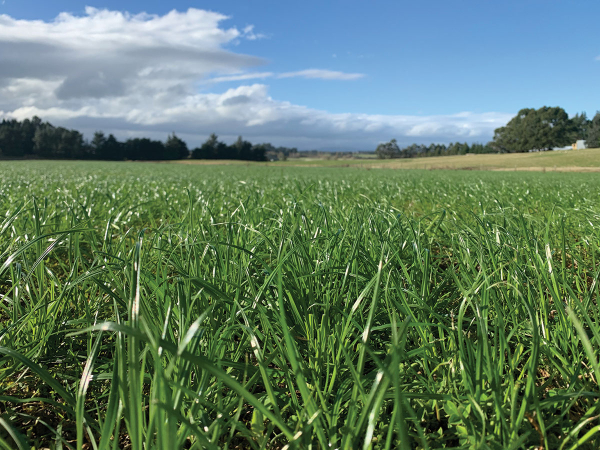 Cool season home grown feed is immensely profitable in today’s dairy systems.
Pasture specialist Graham Kerr claims that one hybrid ryegrass in New Zealand continues to dominate industry yield trials, as it has done every year since it was launched in 2021.
Latest National Forage Variety Trials again show Forge NEA ahead of its nearest competitor, especially in winter and spring, he adds.
With the median calving date for NZ seasonal dairy herds now two or three weeks earlier than it was 20 years ago, this pattern of seasonal growth is only going to become more valuable.
Kerr has spent 40 years in the industry with Barenbrug, the company behind Forge NEA.
"Cool season home grown feed is immensely profitable in today's dairy systems, not to mention highly emissions-efficient," he says.
"Through the North Island and upper South summers are more erratic; late autumn, winter and spring are the most reliable seasons for farmers. These are the time when you pay the bills, and I can't see that changing.
"Anything that performas as consistently as Forge in the cooler months of the year offers farmers a practical, cost-effective adaptation to emerging climatic trends."
Utilising more pasture, of higher quality, at home is good for both the bottom line and the environment because it reduces emissions intensity, Graham says.
"If a three-to-five-year hybrid fits your system, why would you opt for something less than the best?"
Forge NEA's yield advantage comes from a step-change in ryegrass genetic gain that has yet to be beaten.
In the five years since it debuted in the NFVT, two old hybrid ryegrass cultivars have left the market, and three new ones have been released.
Runner-up in the latest NFVT results is Forge's cousin Shogun NEA12, which offers high yield and quality for those wanting a shorter-term hybrid and for summer dry areas is a great 1-2 year pasture fit.
"We're very proud of both of them," Kerr says.
"But the biggest endorsement comes from the farmers who have captured the significant benefits of their cool season growth, and continue to sow them."
Growing great pasture this season doesn’t have to break the bank.
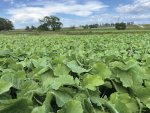
It's only just hit the market, but a new forage rape bred for dryland farms has already won the approval of lambs and young cattle both north and south.
Keeping cows happy and well fed at home this winter just got easier with the launch of a prolific new annual ryegrass bred to jump out of the ground even faster than its popular predecessor.
New industry trials confirm what matters most for perennial ryegrass seed this autumn: Cool, dry storage keeps endophyte viability above the 70% commercial threshold, according to pasture specialist Barenbrug.
It may still be under the radar for many, but one new pasture has been making waves for three different farmers lately.



Alliance is calling for final applications for its 2027 Graduate Programme, with applications closing on Sunday 25 October.
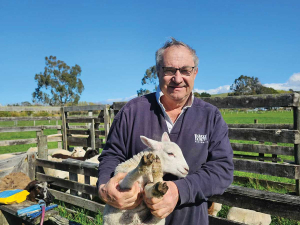
Decades piloting planes has ensured vet and farmer David Hayes is focused on safety. So, after a serious accident while welding on farm, he is sharing his experience so others can learn from it.
Canterbury milk processor, Synlait Milk has confirmed Leon Fung as its chief executive officer.
OPINION: Making it easier to collect rainwater and use it to grow crops and livestock is a no brainer.
As part of its Election 2026 coverage, Rural News asked political parties how they would help pull the arable sector out of the doldrums. Here's what they said:
Farmers are being encouraged to rethink how they manage waste on farm with the launch of ruralwastesorted.co.nz, a new website bringing together practical tips, real farmer experiences and resources.


OPINION: It seems Canterbury processor Synlait is still in the doldrums.
OPINION: Get offside with New Zealand First leader Winston Peters at your own peril.




