A solution to forestry's woes
Forestry is never far from the news, not least because of the damage attributed to slash washing downstream during storms.




 increase font size
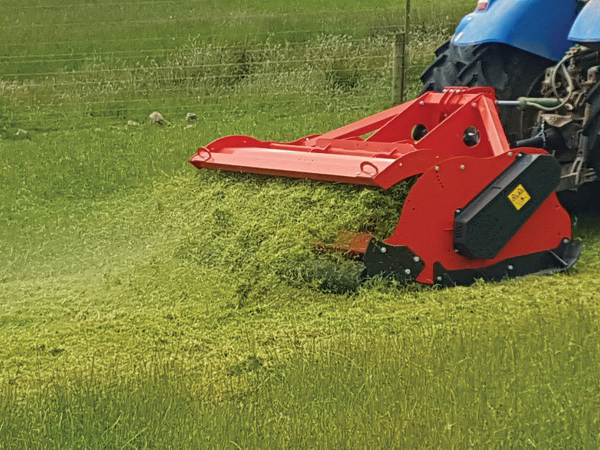 One of the key benefits of topping with a mulcher is improved moisture retention.
Topping grass with a mulcher is one of the simplest yet most effective ways New Zealand farmers can lift pasture performance, improve soil health, and increase overall productivity.
Done properly, topping isn’t just about tidying up paddocks, it actively enhances soil biology, boosts pasture growth, and reduces reliance on inputs.
One of the key benefits of topping with a mulcher is improved moisture retention. When grass is finely mulched, it creates an even layer of organic material across the soil surface. This acts as a protective barrier, reducing evaporation and helping retain moisture in the root zone. During dry periods, this can make a noticeable difference – keeping pastures greener for longer and maintaining growth when conditions turn tough.
Topping also delivers a strong growth boost to pasture. By removing seed heads and rank, unpalatable material, plants are pushed back into a vegetative growth phase. This encourages fresh, leafy regrowth – the type livestock prefer – leading to better pasture utilisation and improved feed quality. Instead of wasting energy on seed production, the plant focuses on producing new, high-quality leaf.
A major advantage of using a mulcher over a standard mower is how it handles the cut material. Mulched grass breaks down significantly faster than grass left behind by a conventional topper. A standard mower tends to leave longer clippings in rows or clumps, which can sit on the surface and smother regrowth. In contrast, a mulcher finely chops and evenly distributes the material, dramatically increasing the surface area exposed to microbes. This accelerates decomposition, allowing nutrients to be returned to the soil far more quickly and avoiding the patchy, uneven paddocks often seen after conventional topping.
This faster breakdown plays a big role in natural nitrogen recycling. As the finely chopped material decomposes, it releases nutrients – particularly nitrogen – back into the soil in a form that plants can readily use. This natural recycling can significantly reduce the need for synthetic fertiliser, lowering costs while maintaining pasture performance.
Over time, this process contributes to healthier soils. The decomposing mulch feeds soil biology, increases organic matter, and improves soil structure. Better soil structure means improved water infiltration, stronger root systems, and more resilient pasture during both wet and dry conditions. The mulch layer also helps protect the soil surface from erosion and temperature extremes, creating a more stable growing environment.
Another benefit is greater paddock uniformity. Mulching removes rough, ungrazed patches and spreads material evenly across the entire working width. This results in consistent regrowth across the paddock, making grazing management easier and more predictable while maximising feed utilisation.
To fully realise these benefits, the quality of the machine matters. This is where Agriline Ltd and their range of Vigolo mulchers stand out as the best option for New Zealand conditions. Vigolo mulchers are engineered to produce a fine, even mulch that maximises breakdown and nutrient return. Their superior rotor design and robust construction allow them to handle heavy pasture, weeds, and residue with ease, delivering a consistent, high-quality finish every time.
Unlike basic toppers that simply slash and leave clumps behind, Vigolo mulchers spread material evenly across the full width, ensuring rapid decomposition and all the associated benefits – moisture retention, nitrogen recycling, and improved soil health. Backed by Agriline’s expertise as mulcher specialists, farmers can be confident they are using equipment that delivers real, measurable results.
In summary, topping with a mulcher is far more than a tidy-up job. It is a powerful pasture management tool that improves moisture retention, boosts growth, accelerates nutrient cycling, and builds healthier soils. With a high-quality mulcher – particularly a Vigolo from Agriline – farmers can turn a routine task into a major driver of on-farm performance.
Gerry Hamlin is general manager of Agriline.
Forestry is never far from the news, not least because of the damage attributed to slash washing downstream during storms.
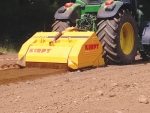
Gore machinery importer Agriline has recently been appointed New Zealand distributor for Kirpy Rock Crushers, manufactured by Layrac in southwest France.
Fodder beet has seen a surge of interest, particularly in the South Island and, with this growth, importers have introduced machines for planting, harvesting and feeding.


Farmgate lamb prices are down by 8%, beef cattle by 4.5% and farm expenditure up by 4.2%.
Kiwifruit growers are watchful but remain optimistic as concerns around the potential effects of the El Niño weather pattern this season.
Almond hulls sourced from Australian orchards may have the potential to help New Zealand cows reduce emissions, boost milk yield and lower input costs.
Striking a balance between meeting the needs of industry to speed up approval time for products but on the other hand ensuring that risks are properly assessed.
Surprised, humbled and quite thrilled. That’s the reaction of James Allen, one of the founding partners and now chief executive of AgFirst, on being made a life member of the Institute of Rural Professionals.



OPINION: It seems Canterbury processor Synlait is still in the doldrums.
OPINION: Get offside with New Zealand First leader Winston Peters at your own peril.