Milk Glut Drags Fonterra Forecast Down to $9.20/kgMS
A milk glut around the world shows no sign of easing, putting downward pressure on farmgate milk prices for the next few months.




 increase font size
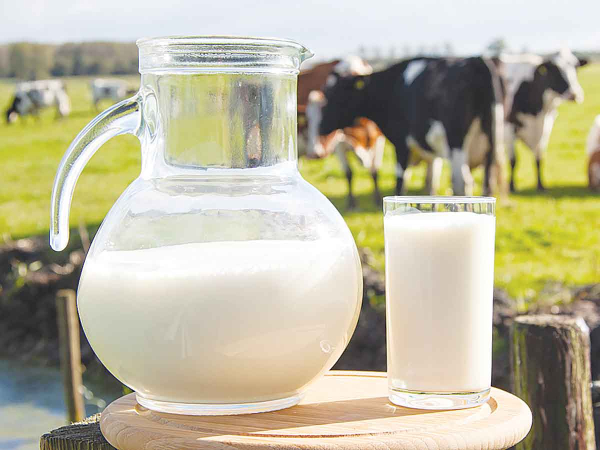 A weaker than expected Chinese economy and lower milk production are potential roadblocks for a decent farmgate milk price.
OPINION: The first two Global Dairy Trade (GDT) auctions have delivered good news for dairy farmers.
Whole milk powder prices are on the up since November. However, a weaker than expected Chinese economy and lower milk production are potential roadblocks for a decent farmgate milk price.
Fonterra's revised forecast Farmgate Milk Price midpoint for the 2023/24 season is $7.50/kgMS, with a new forecast range of $7-$8/kgMS.
There's also some relief for dairy farmers with reducing feed and fertiliser costs. Overall, feed costs are projected to fall around 5% for the current season, driven by falling product prices.
According to DairyNZ, total farm working expenses have also seen an overall decrease, driven by feed and fertiliser prices this year, however, other costs continue to experience inflationary pressures.
DairyNZ's recently updated forecast data on the Econ Tracker, shows the national breakeven forecast currently sits at $7.79/kgMS.
DairyNZ is forecasting an average payout received of $8.06/kgMS, based on the estimated milk receipts for the 2023-24 season and dairy company dividends. This positive difference between the forecast breakeven and average payout will likely bring relief to some, particularly owner-operated farms.
While Fonterra's mid-point is still below the national breakeven forecast, the recent rises in global dairy prices augur well for farmers. But not everyone is optimistic about this season.
Ministry for Primary Industries (MPI) says dairy export revenue is forecast to decrease 7% to $24.1 billion in the year to 30 June 2024. This decrease comes off the back of record high export revenue of $26 billion in 2022/23.
With mixed messages from industry leaders, the onus will be on farmers to run a lean operation on farm.
With input costs on the decline and global dairy prices holding up, most farming businesses should end up in black.
A milk glut around the world shows no sign of easing, putting downward pressure on farmgate milk prices for the next few months.

Fonterra has reduced its forecast 2026/27 Farmgate Milk Price.
New Zealand dairy farmers are set to be the first in the world to receive access to a new digital physical milk pricing tool that enables them to fix the price for their physical milk.
OPINION: Confidence in the wool sector is rebounding as prices hit levels not seen in more than 15 years.
Buyers trying to secure supply are keeping dairy prices at elevated levels.

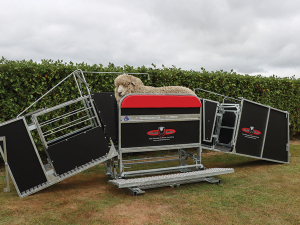
Oamaru-based livestock handling specialist Te Pari has bought Combi Clamp, the New Zealand manufacturer of Combi Clamp manual sheep handlers.
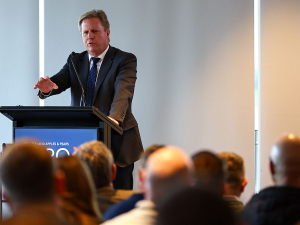
Agriculture Minister Todd McClay has admitted that a scheme bringing workers from Pacific nations to work on orchards has become too hard to navigate but says changes are coming.
A new app designed in New Zealand aims to help sheep, beef and deer farmers capture, analyse and use body condition score data more effectively.
Canterbury farmer Andy Macfarlane has been appointed to the board of AgriZeroNZ, the public-private partnership designed to accelerate the development and deployment of emissions reduction tools for New Zealand farmers.
For over 50 years Mel Ewers has been supporting the apple sector navigate through compliance and quality assurance issues.
The apple sector is enjoying a bumper harvest season.


OPINION: City and regional councils have been put on notice - stop using extreme climate forecasting scenarios that can drive…
OPINION: The Green Party’s rivers and oceans policy may have a new name but nothing else has changed.