OPINION: It's clear that the Ministry for Environment is underestimating the importance of properly consulting farmers on the Essential Freshwater proposals.
A total of 38 meetings will take place in the coming weeks: 17 public meetings in towns and cities, 16 for Māori and a miserly five tailored for the primary sector.
No wonder farmer leaders and politicians are unhappy.
National’s new agriculture spokesman Todd Muller correctly states that the freshwater proposals will materially impact rural NZ.
“Consultation of just six weeks with only five farming focused meetings, no economic analysis and arrogantly dismissing any criticism. This Government doesn’t get farming, doesn’t understand the stress that its actions brings,” Muller said in a tweet.
Unsurprisingly, the meetings are well attended, in fact so well attended that venues have been overflowing.
This prompted a request from Federated Farmers: “asking nicely -- please can the Government immediately extend the timeframe of the Essential Freshwater consultation so we can find a pathway forward that provides for the health of the water, the health of people and the health of communities?”
“It’s bloody hard on farmers to be facing such challenges and change and not feel they can have some input,” said Federated Farmers president Katie Milne.
Milne says farmers are not stalling for time.
The Essential Freshwater proposals could have huge financial consequences for farmers.
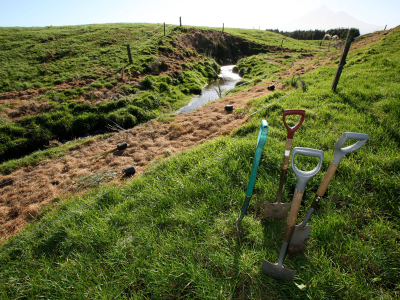
The consultation document talks about extra costs facing farmers: $600 million over 10 years for extra fencing and $3500 for each farm plan.
A Local Government NZ report questions the Government’s economic assessment and predicts that the economic consequences for regional economies will be huge.
The LGNZ modelling estimates that in the Waikato-Waipa catchment alone such a land use change would incur annual costs of $100 million or 11% loss of total profits. This does not take into account the 25 years it would take for increased forestry income to begin arriving.
Farmers need more time and they must be allowed it, so as to properly understand the proposals and put their views to the Government.
The token consultation we now see in this Essential Freshwater round simply confirms that this Government has little time for farmers.